
购物车

Search documents
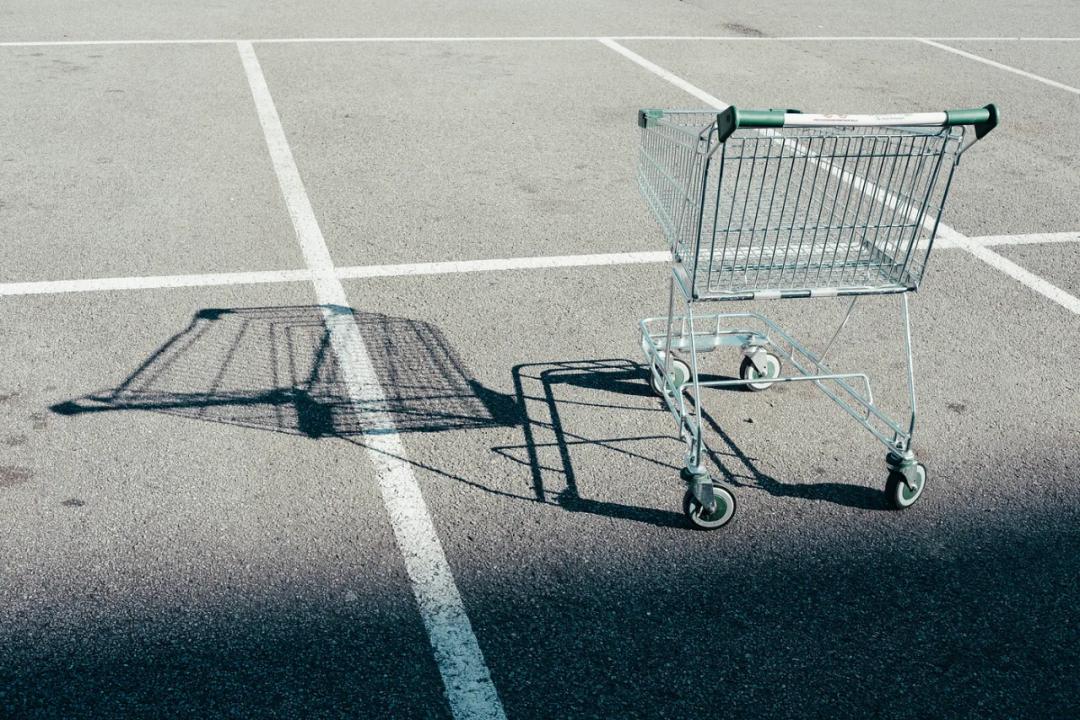
永辉超市“大劫案”中,丢失了500多辆购物车,为什么人们购物后不愿归还购物车?
3 6 Ke· 2025-12-05 00:41
Core Viewpoint - The article discusses the issue of abandoned shopping carts in supermarkets, highlighting the social behaviors and psychological factors that contribute to this phenomenon, as well as the emergence of a vigilante group known as "Cart Narcs" that aims to encourage responsible cart return behavior [1][3][12]. Group 1: Shopping Cart Abandonment - In April 2025, a YH Supermarket discovered over 500 shopping carts missing during an inventory check, primarily due to customers taking them outside the store and not returning them [1]. - Abandoned shopping carts not only occupy parking spaces but also obstruct traffic, prompting the need for community oversight [3]. - A significant portion of shoppers (over 50%) provide excuses for not returning carts, such as physical limitations or a belief that it is the store's responsibility [6][7]. Group 2: Cart Narcs Initiative - The "Cart Narcs," led by a figure known as Agent Sebastian, patrols parking lots to record and confront customers who abandon carts, sharing these interactions on YouTube [3][4]. - Approximately 50% of individuals approached by the Cart Narcs return their carts after being reminded, while 25% ignore the request, and the remaining 25% engage in arguments [3]. Group 3: Psychological Insights - The article references a study categorizing shoppers into five types based on their attitudes towards social norms regarding cart return: steadfast returners, never returners, convenience returners, enforced returners, and child-led returners [9]. - The "broken windows theory" is discussed, suggesting that minor disorder, such as abandoned carts, can lead to a broader decline in social responsibility and adherence to rules [12][14]. - Research indicates that environments with visible disorder can increase the likelihood of further antisocial behavior, such as littering [12][14]. Group 4: Solutions and Limitations - Supermarkets have implemented measures like coin-operated cart systems to incentivize returns, which have shown effectiveness but also face challenges, such as customers finding ways to bypass the system [14].


你敢信?这么美的丝巾竟然是海洋垃圾做的!
Xin Hua She· 2025-08-07 04:23
Core Viewpoint - The article highlights a new model for marine plastic waste management in Taizhou, Zhejiang, where ocean garbage is transformed into consumer products, promoting a "blue circular" economy [1] Group 1: Marine Waste Management - Local government and enterprises encourage fishermen and plastic sorters to collect marine garbage such as plastic bottles and fishing nets for recycling [1] - Recovered materials are processed into plastic pellets, which are then used in various industries including electronics and textiles [1] Group 2: Economic and Environmental Impact - The profits generated from the sale of products made from recycled materials are reinvested into the waste collection system, creating a sustainable cycle [1] - The initiative involves collaboration between government, enterprises, industry, and public participation, showcasing a comprehensive approach to environmental sustainability [1]