电子电器

Search documents
夏普新CEO河村哲治就任!
Sou Hu Cai Jing· 2026-04-01 08:12
Core Insights - Sharp's new CEO Tetsuji Kawamura emphasizes three core strategies for global brand expansion: leveraging Foxconn's resources, direct oversight of new business initiatives, and enhancing global communication [1][3]. Group 1: Leadership and Strategy - Tetsuji Kawamura officially took over as CEO on April 1, highlighting that Sharp has completed its structural reform and asset lightweighting tasks [3]. - The first core strategy involves utilizing Foxconn's extensive global political and economic relationships to accelerate Sharp's international brand expansion [3]. - Kawamura will directly oversee the "Business Development" department to facilitate the implementation of new business initiatives, particularly in AIoT and next-generation display technologies [3]. Group 2: Financial Performance and Transition - Former CEO Masahiro Otsuji noted that during his two-year tenure, Sharp successfully achieved asset lightweighting and is projected to return to profitability in the 2024 fiscal year after three years of losses [4]. - Otsuji emphasized that the pace of financial improvement has exceeded expectations, marking the completion of structural reforms and indicating that it is an opportune time to hand over leadership to Kawamura, who has extensive overseas experience [4].


电与未来同行:松下中国在海南开展电能知识可持续科普活动
Sou Hu Wang· 2026-03-06 03:39
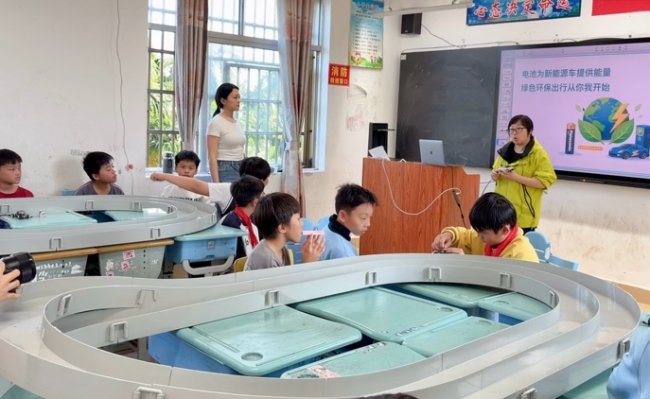
Core Viewpoint - Panasonic China is actively engaging in sustainable education initiatives in rural areas of Hainan, aiming to enhance students' scientific understanding and promote sustainable development through hands-on learning experiences [1][12]. Group 1: Educational Activities - The "Charging Up! Panasonic Green Energy Car" activity introduces students to the concepts of new energy vehicles and low-carbon travel by comparing CO₂ emissions from fuel vehicles with clean energy generation, establishing a logical connection between energy choices, emissions impact, and climate change [4]. - The "Exploring Industrial Robots" activity encourages students to collaborate in understanding the principles of industrial robots and their applications in smart manufacturing, transforming abstract concepts like "Industry 4.0" into practical experiences [5]. - The "Playing with Panasonic Electromagnetic Train" activity allows students to explore the principles of electricity and magnetism through experiments that visualize and measure these concepts, enhancing their understanding of everyday electrical devices and promoting thoughts on clean energy and low-carbon living [9]. Group 2: Long-term Goals - Panasonic China's series of educational programs aims not only to teach students scientific principles but also to instill a mindset of using evidence to understand the world and make informed choices for the future, fostering critical skills for sustainable living [11]. - The company emphasizes its commitment to corporate social responsibility by providing educational resources and practical opportunities in energy technology and smart manufacturing, aligning with China's national strategy for educational modernization and technological talent development [12].

全国人大代表、TCL创始人李东生:国内文化娱乐消费需求需优质内容有效激活
第一财经· 2026-03-03 16:19
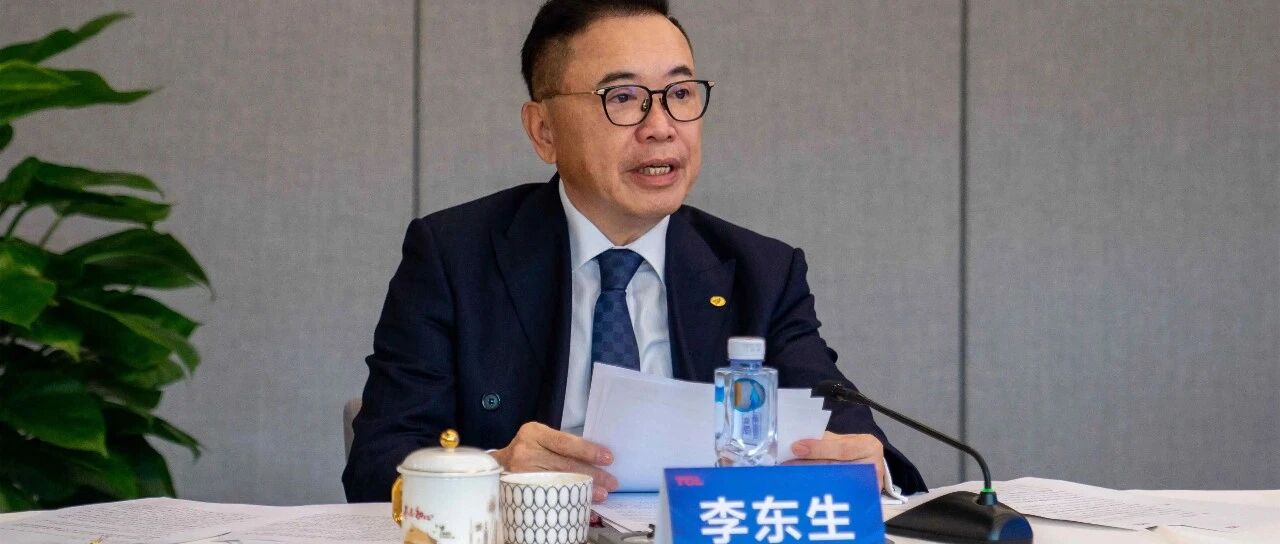
Core Viewpoint - The article discusses suggestions from Li Dongsheng, founder and chairman of TCL, regarding the potential for consumption growth in various sectors, including advanced manufacturing financing, solar energy overcapacity, and expanding domestic demand in China [3]. Group 1: Consumption Potential - Li Dongsheng emphasizes the need to unleash consumption potential in education, healthcare, and cultural sectors, highlighting that the Chinese television market saw a shipment decline of 8.5% in 2025, with 32.895 million units sold, while the U.S. market experienced a 1.6% growth with approximately 49.9 million units shipped [3]. - He points out that if the Chinese film industry could reach half of the per capita consumption of the U.S., it could generate an additional market demand of 8 trillion yuan. Even a modest increase of 25% in various sectors could lead to tens of trillions of yuan in demand growth [3][5]. Group 2: Advanced Manufacturing Financing - Li Dongsheng suggests that the core of China's manufacturing transformation lies in developing high-tech, capital-intensive, and long-cycle industries, such as integrated circuits, semiconductor displays, industrial software, and AI models, which require continuous investment [5]. - He recommends that regulatory bodies align with national industrial policy needs by introducing relevant policies to support the development of high-tech and capital-intensive industries, including establishing special financing rules and channels for such projects [5].

世界首次五百强断崖:日本149家,美国151家,中国3家,现在呢
Sou Hu Cai Jing· 2026-02-27 09:13
Group 1 - The World’s 500 Strong list reflects the shifts in global economic power, showcasing the rise of China and the decline of Japan over the past three decades [1][3][31] - In 1995, the list was dominated by the US and Japan, with 151 and 149 companies respectively, accounting for nearly 60% of the total [5][9] - By 2026, Japan's representation has drastically decreased to about 40 companies, while China has surged to 133, nearly matching the US's 139 [9][19] Group 2 - The decline of Japan's economic power can be traced back to the Plaza Accord in 1985, which led to a significant appreciation of the yen, adversely affecting Japan's export-driven economy [11][15] - Following the economic bubble burst in 1991, Japan entered a prolonged period of stagnation, with many companies failing to adapt to new technological trends [15][17] - In contrast, China's economic trajectory has been upward since joining the WTO in 2001, becoming a global manufacturing hub and investing heavily in infrastructure [19][22] Group 3 - The rise of Chinese companies is marked by significant advancements in technology and manufacturing, with firms like BYD leading in electric vehicles and Huawei excelling in smartphones [24][26] - The US maintains a strong corporate presence, exemplified by Walmart's annual revenue exceeding $640 billion, but faces challenges such as rising national debt and trade restrictions [26][27] - The global industrial landscape is undergoing a complex reshuffling, with competition now focusing on addressing future challenges like aging populations and technological advancements [27][31]




默茨此访有深意
Xin Lang Cai Jing· 2026-02-26 11:13
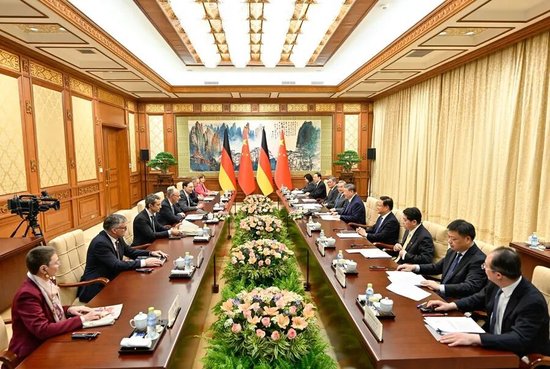
Core Insights - German Chancellor Merz's visit to China marks a significant diplomatic engagement, following visits from other European leaders, indicating a renewed interest in strengthening Sino-German relations [1][14] - The visit reflects a shift in Germany's approach towards China, moving away from labeling it as a "systemic rival" and instead seeking a balanced partnership [3][17] - Economic cooperation is prioritized, with Germany recognizing the need for reliable partners amid rising geopolitical tensions and trade challenges from the U.S. [4][18] Group 1: Diplomatic Context - Merz's visit is his first since taking office and comes after a postponed trip in October, highlighting internal policy disagreements within the German government regarding China [3][16] - The visit aims to recalibrate Germany's China policy, focusing on economic needs and stability in bilateral relations [4][18] - The geopolitical landscape, including U.S. tariffs on European allies, has prompted Germany to seek stronger economic ties with China [4][18] Group 2: Economic Cooperation - The visit included meetings with Chinese leaders and visits to German companies operating in China, emphasizing the importance of economic and technological collaboration [7][20] - A large business delegation accompanied Merz, indicating strong interest from German companies in deepening trade relations with China [7][21] - Current trade figures show that Sino-German trade exceeds $200 billion, with over 5000 German companies operating in China, underscoring the mutual benefits of cooperation [8][22] Group 3: Future Opportunities - The alignment of Germany's new development strategies in technology and innovation with China's 14th Five-Year Plan presents new avenues for collaboration [11][24] - Both countries are focusing on green and digital transformations, which could lead to complementary advantages in various sectors, particularly in electric vehicles [11][25] - Merz's visit aims to address trade imbalances and overcapacity issues, emphasizing the need for German companies to adapt and collaborate effectively with China [11][25] Group 4: Strategic Recommendations - Germany should maintain a consistent and stable policy towards China, based on comprehensive dialogue and understanding [12][26] - It is crucial to convert the agreements reached during high-level meetings into actionable policies and projects to reinforce bilateral trust [12][26] - Germany's approach to China should remain independent of external pressures, particularly from third countries, to foster a constructive relationship [12][26]
绿电、智算、低空商机满满!阳东喊你来做“投资合伙人”
Xin Lang Cai Jing· 2026-02-25 08:43
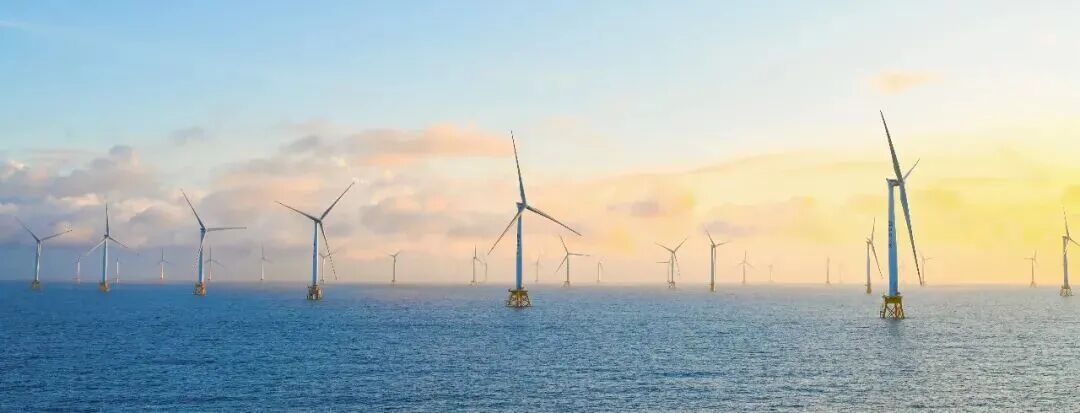
Core Viewpoint - Yangdong District is actively promoting high-quality economic development through a modern industrial system and inviting investment to enhance its economic landscape [1][2]. Investment and Economic Growth - Yangdong achieved an average annual growth of 9% in fixed asset investment during the 14th Five-Year Plan, with a remarkable 77% year-on-year increase in 2025, ranking among the top in the province and city [1][2]. - The district is focusing on the "Operation Improvement" initiative to attract more private capital and social forces for economic growth [1][2]. Green Energy Development - Yangdong is rapidly advancing its green energy sector, establishing a comprehensive supply system that includes nuclear, wind, solar, storage, hydrogen, and installation [2][4]. - By 2025, the green energy generation capacity is expected to exceed 560 billion kilowatt-hours, making Yangdong a significant clean energy supplier in the Guangdong-Hong Kong-Macao Greater Bay Area [4][6]. Industrial Structure and Modernization - The district is constructing a "1+3+3+X" modern industrial system, focusing on clean energy, traditional industries, and emerging sectors [9]. - The green energy demonstration industrial park is set to attract companies impacted by international green trade rules, targeting industries such as new energy vehicles, energy storage, and green appliances [8][12]. Infrastructure and Support Services - Yangdong is enhancing its infrastructure with significant investments in roads and sewage systems to improve business conditions for local enterprises [29][30]. - The government is committed to optimizing the business environment, with initiatives to streamline administrative processes and provide comprehensive support services for entrepreneurs [25][27]. Emerging Industries - The district is fostering new industries such as low-altitude economy, green computing, and biobased materials, with several major projects underway [16][24]. - Investments in green computing and biobased materials are expected to yield substantial economic benefits, with projects like the green computing center projected to generate significant annual revenue [22][24].
默茨访华行程公布
Huan Qiu Shi Bao· 2026-02-24 02:05
Group 1 - German Chancellor Merz is scheduled to visit China from February 25 to 26, marking a significant diplomatic engagement amid changing international dynamics [1][3] - The visit includes participation in the Sino-German Economic Advisory Committee meeting and meetings with Chinese leaders, as well as visits to cultural and industrial sites [1][3] - Merz will lead a large business delegation of approximately 30 senior representatives from major companies such as Bayer, Volkswagen, Siemens, Adidas, and Mercedes-Benz [1][3] Group 2 - The German Chamber of Commerce has called for enhanced cooperation with China, highlighting its predictability compared to the U.S. amid uncertainties in U.S.-China relations [2][4] - Key areas for potential collaboration include environmental technology, recycling, medical technology, and circular economy [2][4] - Merz's visit is characterized by careful preparation, with pressures from the Foreign Ministry for a tougher stance on China, while the Economic Minister advises caution [5]
冬奥会|竞技场外,它们也为中国赢下一块“金牌”
Bei Jing Ri Bao Ke Hu Duan· 2026-02-19 13:10
Core Insights - The article highlights the significant presence and contributions of Chinese companies at the Milan Winter Olympics, showcasing their impact across various sectors from athlete support to broadcasting technology [1][4][7]. Group 1: Athlete Experience and Engagement - The introduction of an AI-powered badge exchange station by Alibaba enhances the traditional badge swapping experience for athletes, combining technology with cultural practices [2]. - Athletes can instantly connect with family and friends post-competition through TCL technology, enhancing emotional engagement during the event [2][4]. - The use of 15 FPV drones for broadcasting provides immersive viewing experiences, allowing audiences to appreciate the dynamics of the competitions [3][4]. Group 2: Broadcasting and Technology - The integration of advanced technologies like "bullet time" and "time slice" effects revolutionizes the viewing experience, allowing for real-time analysis and enhanced visual appeal [4]. - Alibaba's AI technology significantly reduces the time required for post-production, enabling live generation of high-quality replays, which improves operational efficiency for broadcasters [4]. Group 3: Transportation and Logistics - The transportation logistics for the Winter Olympics are supported by 68 electric buses from Yutong, designed for optimal performance in cold conditions, ensuring efficient movement across the widely dispersed venues [5][6]. - These buses will continue to serve the local public transport system post-Olympics, contributing to sustainable urban mobility [6]. Group 4: Brand Presence and Influence - Chinese brands have a prominent presence at the opening ceremony, with a significant number of national teams wearing outfits from Chinese companies, reflecting the growing global influence of Chinese manufacturing [7]. - The participation of Chinese companies in various roles at the Olympics demonstrates a shift from mere production to innovation and quality, enhancing the global perception of "Made in China" [7].
去年全国消协受理投诉201万件,为消费者挽损9.25亿元
Xin Lang Cai Jing· 2026-02-05 12:02
Group 1 - The core viewpoint of the article highlights a significant increase in consumer complaints in China, with a total of 2,016,448 complaints received in the previous year, marking a 14.45% growth compared to the previous year [1] - The consumer complaints were categorized by nature, with after-sales service issues accounting for 27.68%, contract issues for 23.79%, quality issues for 19.51%, and false advertising issues for 7.88% [1] - The total economic loss recovered for consumers was 925 million yuan, with 1,065,433 complaints resolved [1] Group 2 - In terms of complaint categories, product-related complaints totaled 1,081,511, representing 53.63% of all complaints, while service-related complaints accounted for 845,710, or 41.94% [1] - The top five categories of product complaints included home electronics, daily goods, clothing and footwear, food, and transportation vehicles [1] - For service complaints, the leading categories were life and social services, internet services, education and training services, sales services, and cultural, entertainment, and sports services [2] Group 3 - Specific product complaints ranked highest in volume for clothing, communication products, ordinary food, shoes, and daily miscellaneous items, with an increase in complaints for shoes, daily miscellaneous items, and automotive parts compared to 2024 [1] - In service complaints, the highest volumes were for commercial internet services, catering services, training services, remote shopping, and accommodation services, with increases noted in transportation, remote shopping, and training services compared to 2024 [2]
松下宣布裁员1.2万人,AI软件开发已推倒重来
Jin Rong Jie· 2026-02-04 12:37
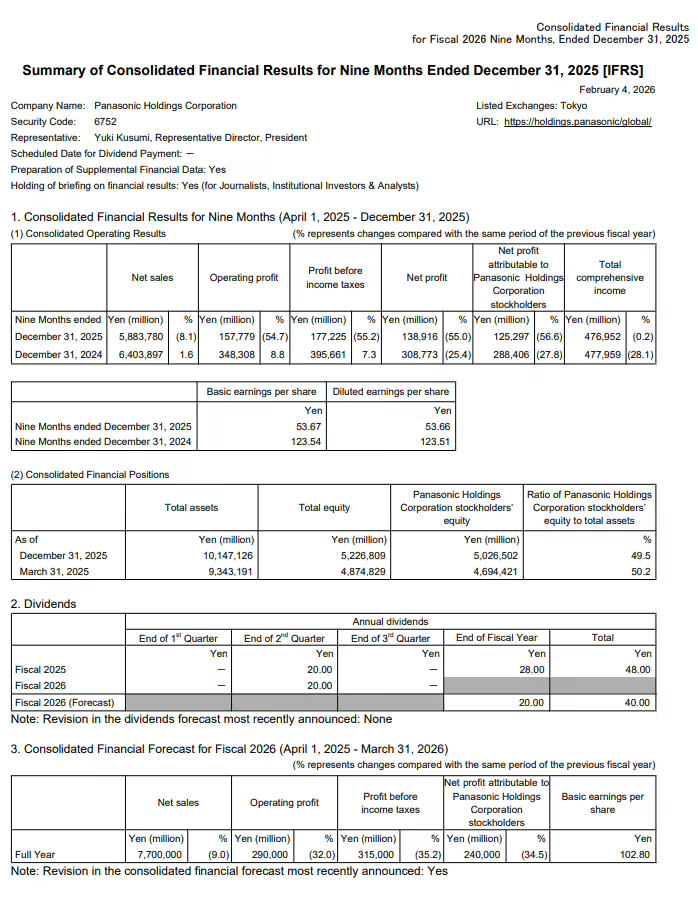
Core Viewpoint - Panasonic Holdings announced a significant restructuring plan, increasing the number of layoffs from 10,000 to 12,000 employees, indicating challenges in its operational strategy and a need for transformation [1][7]. Financial Performance - For the nine months ending December 31, 2025, Panasonic reported net sales of ¥5,883.78 billion, a decrease of 8.1% year-over-year [2][5]. - The net profit for the same period fell sharply by 56.6% to ¥125.29 billion [2][5]. - The company expects a full-year net profit of ¥240 billion for the fiscal year ending March 2026, a 34% decline compared to the previous year, with a downward revision of ¥20 billion from earlier forecasts [6][7]. Restructuring and Strategic Direction - The CFO acknowledged the difficulties surrounding the layoffs, stating that many employees are striving for a renewed Panasonic [1]. - The company is facing challenges with its AI initiative "Umi," which has been set back to the drawing board due to issues with its business model and scalability [1]. - Despite setbacks, Panasonic remains committed to its AI strategy, recognizing the importance of talent acquisition and foundational development in this area [1]. Dividend Information - For fiscal year 2025, Panasonic plans to distribute a total dividend of ¥48.00, with ¥20.00 at the end of the second quarter and ¥28.00 at the end of the fiscal year [4].