破窗效应

Search documents
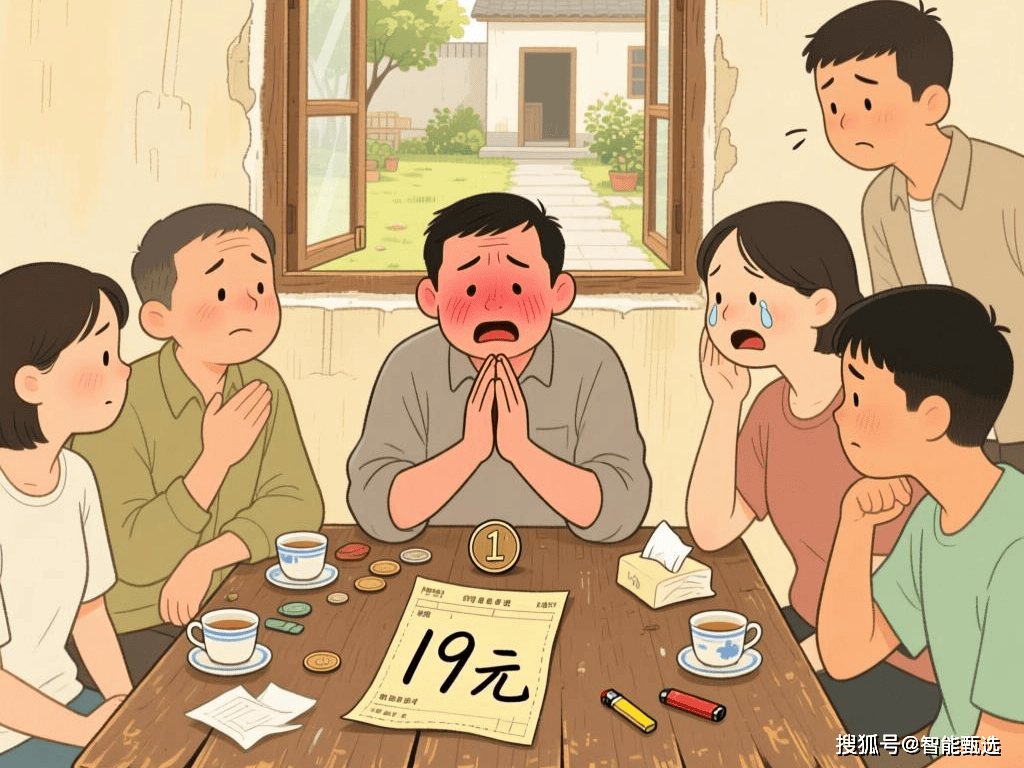
6人消费19元顾客道歉称赔1元:一场关于消费尊严与商业底线的深度对话
Sou Hu Cai Jing· 2026-01-20 00:25
Core Viewpoint - The incident involving six customers consuming only 19 yuan at a hot pot restaurant highlights deeper societal contradictions regarding dignity, rules, and business ethics in contemporary consumer culture [1][3]. Group 1: Incident Overview - The event occurred in a third-tier city's self-service hot pot restaurant, which charges 29 yuan per person, including broth, ingredients, and drinks [3]. - The six customers only ordered a broth (19 yuan) and brought their own food, which led the restaurant to seek compensation after confirming through surveillance footage that no self-service ingredients were consumed [3]. - The restaurant's response to the public outcry emphasized the importance of respecting rules rather than merely seeking monetary compensation [3]. Group 2: Consumer Behavior and Economic Context - The customers' actions reflect a growing trend of "frugal economics" among young people, driven by increasing employment pressures and a noticeable trend of consumption downgrade [4]. - The incident raises questions about whether such frugality should override established rules, as the customers' choice to bring their own food indicates a disregard for the restaurant's policies [4]. - The psychological concept of the "broken windows effect" suggests that individuals may exploit perceived loopholes in rules when they believe there are no consequences [4]. Group 3: Business Implications - The pricing model of self-service restaurants relies on covering fixed costs through average consumer spending, and the 19 yuan contribution from the six customers is significantly below the breakeven point of 70% of average spending [4]. - The restaurant's decision to expose the incident on social media has sparked debates about privacy rights, as the surveillance footage could potentially identify the customers, raising legal concerns [6]. - The handling of the situation by the restaurant has been criticized as ineffective, as it escalated the issue from a dispute over rules to a privacy conflict, leading to negative public sentiment [6]. Group 4: Recommendations for Improvement - Businesses should consider private communication with customers to resolve issues rather than public exposure, and clearly display rules regarding outside food [7]. - There is a need for a balance between enforcing rules and maintaining a humane approach, such as offering discounts to customers facing financial difficulties [7]. - The incident underscores a broader trust deficit between businesses and consumers, necessitating a more inclusive consumer culture that acknowledges the challenges faced by low-income groups [7].

多家央行为何“干涉”美国内政
Jing Ji Ri Bao· 2026-01-19 22:18
Core Viewpoint - The joint statement from multiple central banks supporting Federal Reserve Chairman Jerome Powell reflects rising concerns over potential systemic risks amid declining confidence in the dollar [1][2]. Group 1: Central Banks' Support - The joint statement from the European Central Bank, Bank of England, Bank of Canada, and the Bank for International Settlements emphasizes the importance of maintaining the independence of the Federal Reserve [1]. - This support is driven by economic interests aimed at preserving the stability of their own financial systems, as the Federal Reserve's independence is seen as a cornerstone of the dollar's credit system [1][2]. Group 2: Implications of Dollar Credit Erosion - A decline in dollar credit could lead to a widespread revaluation of global assets, as the dollar accounts for approximately 58% of global foreign exchange reserves and is the primary currency for trade settlements and financial transactions [2]. - If the Federal Reserve becomes too involved in domestic political struggles, it risks losing market trust in its monetary policy, leading to higher risk premiums demanded by investors, increased U.S. Treasury yields, and rising global borrowing costs [2]. Group 3: Political Dynamics and Market Reactions - The joint statement has increased political costs for the U.S. government, with growing opposition domestically, including criticism from former high-profile financial figures and divisions within the Republican Party [3]. - Market reactions following the statement indicate investor concerns regarding the potential loss of Federal Reserve independence, as evidenced by fluctuations in the dollar and U.S. Treasury securities [3]. Group 4: Global Financial Governance Challenges - The actions of multiple central banks highlight a pressing need to address the misalignment between U.S. domestic governance capabilities and the international status of the dollar, suggesting that financial shocks from U.S. political conflicts could have far-reaching global impacts [4]. - There is a call for establishing more effective crisis response mechanisms in the global financial governance system, especially as the international standing of the dollar appears to be weakening over the long term [4].
海底捞,又“尿”了!
Xin Lang Cai Jing· 2026-01-09 08:31
Core Viewpoint - The incidents involving Hai Di Lao highlight significant issues regarding public behavior and responsibility in dining environments, emphasizing the need for both individual accountability and corporate management to maintain public civility and safety [4][11][12] Incident Overview - On December 31, 2025, a two-year-old child threw a diaper into a hot pot at Hai Di Lao's Xuzhou store, prompting immediate disposal of the pot and police involvement [2][7] - On February 24, 2025, two individuals urinated in a hot pot at the Shanghai Bund store, with one filming and sharing the act on social media, leading to widespread outrage [2][7] - On September 12, 2025, a Shanghai court ordered the individuals involved to pay Hai Di Lao 2.2 million yuan, covering damages for equipment loss, business reputation, and legal costs [2][7] Public Reaction and Commentary - The incidents have sparked discussions about the "broken windows theory," suggesting that visible disorder may encourage further misconduct in public spaces [4][9] - Hai Di Lao's founder, Zhang Yong, has emphasized the importance of service excellence in a competitive market, but food safety remains paramount for restaurant operations [4][9] Responsibility and Management - The incidents reflect a collective failure in responsibility, including parental oversight and the restaurant's management capabilities [6][11] - The presence of a designated nursing room in the restaurant underscores the negligence of guardians in managing their children's behavior [12] - The need for clear rules and consequences for inappropriate actions is highlighted, as the incidents serve as a warning for maintaining cleanliness and respect in shared dining spaces [12]

人生里也有这种破窗效应
Xin Lang Cai Jing· 2026-01-08 16:56
Core Insights - The article discusses the pervasive issue of modern individuals succumbing to immediate gratification, exemplified by the phrase "what's the harm in losing two hours of sleep" [1][2] - It highlights the psychological "broken window effect," where small lapses in self-discipline lead to larger failures in maintaining personal order and goals [1][2] Group 1 - The concept of "what's the harm" reflects a broader societal trend of prioritizing immediate satisfaction over long-term goals, leading to a sense of unfulfillment [2][3] - The article emphasizes that this mindset can erode self-discipline, as small concessions create a slippery slope towards larger failures in personal responsibility [1][2] - It suggests that the accumulation of these small decisions can result in a pervasive feeling of stagnation, where individuals feel they are not progressing towards their goals [2] Group 2 - To combat this cycle, the article proposes a shift in focus from individual actions to overall behavior patterns and self-relationship [2][3] - It recommends establishing simple, clear, and non-punitive rituals to create boundaries against impulsive behaviors, such as setting physical alarms or engaging in calming activities before sleep [2] - The article concludes that each conscious decision to resist immediate gratification is a reaffirmation of personal autonomy and can lead to a more fulfilling life experience [3]
视频丨专家:日本核试探是“饮鸩止渴” 可能酝酿战略性灾难
Yang Shi Wang· 2025-12-27 13:29
Core Viewpoint - Recent pro-nuclear statements from a senior official in Japan's Prime Minister's office have sparked significant domestic and international backlash, indicating a potential shift in Japan's defense policy and raising concerns about the resurgence of militarism in Japan [1][3][4]. Group 1: Pro-Nuclear Statements and Reactions - The pro-nuclear rhetoric, previously considered taboo in Japanese politics, has emerged under the current administration, leading to criticism from former politicians, political parties, and civil organizations within Japan, as well as strong opposition from neighboring countries [1]. - The official who made the pro-nuclear comments is responsible for nuclear disarmament and non-proliferation, highlighting a contradiction in Japan's stance on nuclear weapons [1][4]. Group 2: Implications of Nuclear Ambitions - The statements reflect a systematic disregard for Japan's post-war pacifist constitution and the "Three Non-Nuclear Principles," signaling a potential challenge to the international order that has historically limited Japan's military expansion [1][3]. - The push for nuclear capabilities is viewed as a strategic step by Japan's right-wing factions to achieve military normalization, which could destabilize regional security and provoke an arms race among neighboring countries [4][5]. Group 3: Security Concerns and International Relations - The pursuit of nuclear weapons is seen as contradictory to Japan's national interests, as it could lead to increased security threats rather than enhanced safety, given Japan's historical context as an aggressor in World War II [5][6]. - The United States is unlikely to support Japan's nuclear ambitions, as it would undermine the trust in the U.S.-Japan alliance and could lead to stricter controls over Japan's military capabilities [6].

个人信用修复,如何建立长效机制
Yang Shi Xin Wen Ke Hu Duan· 2025-12-22 23:08
Core Viewpoint - The People's Bank of China has announced a one-time credit repair policy aimed at supporting individuals with damaged credit who are actively repaying their debts, marking a shift from strict punishment to a balanced approach of both punishment and repair [1]. Group 1: Policy Details - The policy allows for a one-time credit repair for individuals who have overdue amounts not exceeding 10,000 yuan, provided they repay the full amount by March 31, 2026 [1]. - This initiative is designed to break the cycle of "once untrustworthy, always restricted," promoting a more forgiving credit system [1]. Group 2: Conceptual Shift - The policy reflects a change in perspective regarding credit issues, recognizing that external factors or force majeure may lead to credit damage without subjective fault from the individual [5]. - The need to differentiate between those who fail to meet obligations due to external circumstances versus those who do so out of negligence is emphasized [8]. Group 3: Long-term Mechanism Expectations - Starting April 1 of the following year, a formal credit repair management approach will be implemented, raising expectations for a long-term credit repair mechanism [6]. - Future considerations include varying the retention period for negative records based on the amount involved, suggesting shorter retention for small amounts and longer for larger debts [8]. Group 4: Implications for Consumer Confidence - The one-time credit repair policy is seen as a significant advancement in China's credit system, addressing the balance between punishment for bad credit and the provision of relief for those who have made mistakes [11]. - The policy aims to enhance consumer confidence and encourage spending by allowing individuals with minor credit issues to regain their standing [13]. Group 5: Legal Framework and Fairness - The credit repair process is grounded in legal principles, promoting self-discipline and awareness of the law among individuals [14]. - The approach is viewed as fair, aligning with market principles of appropriate rewards and punishments, and is expected to positively impact the overall credit market and future consumption [14].
永辉超市“大劫案”中,丢失了500多辆购物车,为什么人们购物后不愿归还购物车?
3 6 Ke· 2025-12-05 00:41
Core Viewpoint - The article discusses the issue of abandoned shopping carts in supermarkets, highlighting the social behaviors and psychological factors that contribute to this phenomenon, as well as the emergence of a vigilante group known as "Cart Narcs" that aims to encourage responsible cart return behavior [1][3][12]. Group 1: Shopping Cart Abandonment - In April 2025, a YH Supermarket discovered over 500 shopping carts missing during an inventory check, primarily due to customers taking them outside the store and not returning them [1]. - Abandoned shopping carts not only occupy parking spaces but also obstruct traffic, prompting the need for community oversight [3]. - A significant portion of shoppers (over 50%) provide excuses for not returning carts, such as physical limitations or a belief that it is the store's responsibility [6][7]. Group 2: Cart Narcs Initiative - The "Cart Narcs," led by a figure known as Agent Sebastian, patrols parking lots to record and confront customers who abandon carts, sharing these interactions on YouTube [3][4]. - Approximately 50% of individuals approached by the Cart Narcs return their carts after being reminded, while 25% ignore the request, and the remaining 25% engage in arguments [3]. Group 3: Psychological Insights - The article references a study categorizing shoppers into five types based on their attitudes towards social norms regarding cart return: steadfast returners, never returners, convenience returners, enforced returners, and child-led returners [9]. - The "broken windows theory" is discussed, suggesting that minor disorder, such as abandoned carts, can lead to a broader decline in social responsibility and adherence to rules [12][14]. - Research indicates that environments with visible disorder can increase the likelihood of further antisocial behavior, such as littering [12][14]. Group 4: Solutions and Limitations - Supermarkets have implemented measures like coin-operated cart systems to incentivize returns, which have shown effectiveness but also face challenges, such as customers finding ways to bypass the system [14].


共享单车“上树”,无底线跟风不是个性表达
Xin Jing Bao· 2025-11-25 09:04
Core Points - The recent incidents of shared bicycles being hung on trees and road signs in Pingdingshan, Henan, have raised concerns about public order and safety [1][2] - The city management has acknowledged the issue and is collaborating with the police to address it, emphasizing the need for increased patrols and legal action against offenders [1] - The behavior is attributed to young individuals, primarily teenagers to those in their twenties, who may not have malicious intent but are nonetheless causing public inconvenience and potential safety hazards [1][2] Summary by Sections Incident Overview - Multiple reports from citizens in Pingdingshan indicate that shared bicycles are being hung on trees and road signs, with the city management confirming that this has occurred multiple times recently [1] - The city management department is working with law enforcement to handle the situation and is enhancing patrol efforts [1] Social Implications - The actions of individuals have sparked a trend of imitation, with reports of similar incidents spreading across social media, indicating a potential "broken windows" effect that could escalate the issue [2] - Previous incidents, such as those in Yunnan where individuals were penalized for similar actions, highlight the broader implications of such behavior on societal norms and public order [2] Call for Responsibility - The article stresses the importance of public decorum and the need for individuals to respect communal resources, suggesting that the behavior reflects a decline in societal civility [2] - It calls for both city management to enforce regulations and for individuals to cultivate a sense of respect for public rules, emphasizing that public morality should be ingrained in personal conduct [2]
“妈妈,我想再玩10分钟”,你这样回答,孩子会屁颠屁颠的配合
Jing Ji Guan Cha Bao· 2025-10-20 01:44
Core Viewpoint - The article discusses the challenges parents face when children negotiate for more playtime, emphasizing the importance of establishing rules while also being empathetic to children's feelings [1][6][25]. Group 1: Parenting Responses - Parents exhibit different interaction styles when children request additional playtime, leading to varied outcomes in child behavior and emotional development [4][6]. - Three ineffective response styles are identified: 1. **Harsh Refusal**: Parents strictly enforce rules without acknowledging children's emotions, which can lead to feelings of insignificance in children [10][11]. 2. **Threatening and Blaming**: Using threats can create a sense of insecurity in children, affecting their future relationships and emotional well-being [13][14]. 3. **Indulgent Allowance**: Giving in to children's demands undermines the establishment of rules and can lead to a lack of respect for boundaries [16][17]. Group 2: Effective Parenting Strategies - Two recommended response strategies are proposed: 1. **Empathetic Response**: Acknowledge children's feelings while reiterating the importance of rules, fostering understanding and cooperation [19][20]. 2. **Time Management Tools**: Utilizing timers or alarms can help children grasp the concept of time, making them more likely to adhere to agreed-upon limits [21][24]. Group 3: Educational Philosophy - The article concludes with a reference to Montessori's educational philosophy, which advocates for allowing children to grow within established rules, promoting both emotional understanding and respect for boundaries [25][26].
心理能量强大的人,都有点“不要脸”
洞见· 2025-09-16 12:20
Core Viewpoint - The article emphasizes the importance of being less concerned about others' opinions and embracing a "don't care" attitude to live a more fulfilling and authentic life [4][12][52]. Group 1: Facing Criticism - The story of writer Zhou Meisen illustrates how perseverance in the face of ridicule can lead to success, as he continued to write despite being mocked by peers [6][8]. - A friend's experience in starting a handmade leather goods studio highlights that prioritizing personal vision over external criticism can lead to greater success [10][11]. - The article quotes Mark Manson, stating that fearing negative evaluations can lead to living a life dictated by others' desires [12][13]. Group 2: Dealing with Encroachment - The narrative of a friend named Xiao Li demonstrates how excessive concern for family opinions can lead to being taken advantage of, as her aunt overstayed in her inherited house [20][22]. - Xiao Li's eventual decision to publicly confront her aunt about the situation illustrates the necessity of setting boundaries and standing up for oneself [31][32]. - The article discusses the "broken window effect," suggesting that allowing others to overstep boundaries can encourage further encroachment [37][39]. Group 3: Embracing Failure - Comedian Li Xueqin's experience of bombing on stage emphasizes that repeated failures can lead to growth and improvement, as she learned to embrace her mistakes [47][48]. - The article argues that viewing failure as an opportunity for growth rather than a personal defeat fosters resilience and a growth mindset [48][50]. - It concludes that a "don't care" attitude towards failure is essential for personal development and emotional well-being [52].