超长模组多列堆叠技术

Search documents
思客琦:AI与协同,破解“真假产能”困局
高工锂电· 2025-12-15 10:30
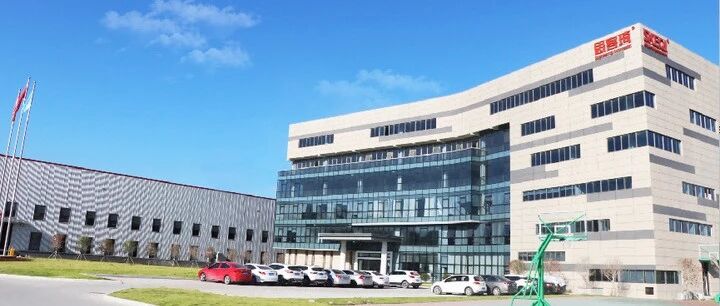
Core Viewpoint - The competition in the new energy equipment industry has entered a "deep water zone," where only long-term commitment, focus on technological innovation, and deep collaborative cooperation can ensure continued leadership [1][21]. Industry Overview - The market has shifted from a binary competition of "existence" to a competition of "quality," with product iteration cycles compressing from years to months, leading to a focus on comprehensive solutions and full-cycle innovation capabilities [2][4]. - The basic fundamentals of the industry are increasingly solid, with China's manufacturing share reaching 32%, placing new energy equipment alongside high-speed rail and automotive sectors as global leaders [5]. Market Dynamics - The lithium battery shipment volume is expected to steadily increase, driven by the ongoing penetration of the new energy vehicle and energy storage markets, opening up vast market space for the equipment industry [6]. Key Characteristics of the New Cycle - The new cycle is characterized by changes and differentiation, including: - Continuous capacity expansion of mature products, with 2.2-meter large energy storage modules becoming mainstream and cell capacities increasing from hundreds of Ah to thousands of Ah, raising production line demands [7]. - Accelerated iteration of new product processes, with battery manufacturing technology upgrading every 2-3 years, compelling equipment companies to innovate simultaneously [7]. - Accelerated competition concentrating on leading companies, where only those with rapid response, stable delivery, and process adaptability can maintain their foothold [7]. Technological Innovation - Technological innovation is the fundamental guarantee for equipment companies to navigate through cycles, with AI deeply integrated into production lines to enhance efficiency and quality [8][10]. - AI applications in key production processes have led to revolutionary changes, such as: - Laser welding with AI algorithms improving welding yield by 5%-10% and efficiency by 80% [10]. - Predictive maintenance frameworks that can forecast equipment failures 7-10 days in advance [10]. - High-precision online detection technologies achieving ultra-high standards in accuracy and consistency [10][11]. Collaborative Ecosystem - The importance of collaboration across the entire industry chain is emphasized, with internal standardization and modularization leading to significant breakthroughs in delivery efficiency [12][13]. - The establishment of deep partnerships with leading battery and automotive companies facilitates joint R&D and technology promotion, creating a virtuous cycle of demand, development, application, and feedback [14][15]. Long-term Strategy - The company adheres to a long-term philosophy, investing in core capacity advantages even during industry adjustments, such as the ongoing construction of a new production base [18][19]. - The new base, covering 260,000 square meters, is designed for green zero-carbon production and supports large-scale module and energy storage equipment manufacturing [19]. - The diversification of product offerings not only meets varied customer needs but also mitigates operational risks associated with cyclical fluctuations [20]. Global Integration - The company is actively integrating into global markets, with products successfully sold in Europe, North America, and Southeast Asia, supported by localized service networks [20]. - The focus is on enhancing global competitiveness by providing cost-effective and tailored solutions to international clients [20]. Conclusion - The new energy equipment industry is poised for continued leadership in the global market, contributing significantly to energy transition and carbon neutrality goals through ongoing technological advancements and ecosystem development [23].