辽瓷

Search documents
辽瓷瑰宝鸡冠壶
Xin Lang Cai Jing· 2026-02-12 20:33
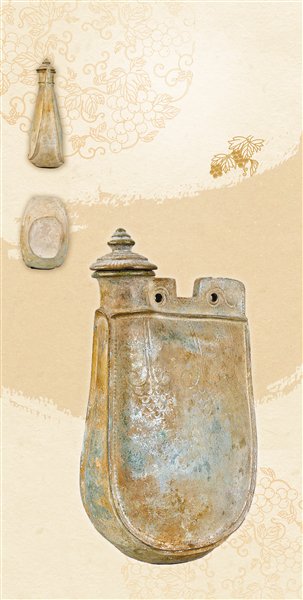
Core Viewpoint - The article discusses the significance and characteristics of the double-hole chicken crown pot, a notable artifact from the Liao Dynasty, highlighting its historical context, design evolution, and cultural implications [4][7]. Group 1: Historical Context - The double-hole chicken crown pot evolved from single-hole leather containers used by nomadic tribes, improving stability for carrying liquids on horseback [4][6]. - The pot is a product of the Liao Dynasty's ceramic art, which developed over 1,000 years ago, incorporating techniques from the Tang Dynasty and the Five Dynasties [3][5]. Group 2: Design and Characteristics - The green-glazed flat-bodied double-hole chicken crown pot features a red-brown clay body, a flat upper and wider lower section, and two holes at the top resembling a chicken crown [4][5]. - There are three main forms of double-hole chicken crown pots, with the green-glazed version being the most common, characterized by its flat rectangular body and decorative elements mimicking leather stitching [6][7]. Group 3: Archaeological Findings - The specific pot discussed was excavated from a Liao tomb in Tongliao City, which contained various artifacts indicating the burial of a noble or official from the Liao Dynasty [5][6]. - The tomb's structure and the items found, including copper and agate artifacts, suggest the deceased held a significant status, likely a sixth or seventh rank official [5][6]. Group 4: Cultural Significance - The double-hole chicken crown pot reflects the integration of nomadic and settled lifestyles, showcasing the cultural exchange and innovation within Liao society [7]. - The design of the pot and its use in burial practices illustrate the influence of Central Plains culture on the Liao nobility, emphasizing the importance of funerary customs and the representation of wealth and power [6][7].

愿千年窑火照亮生活 辽瓷非遗的马年新征程
Xin Lang Cai Jing· 2026-02-11 21:49
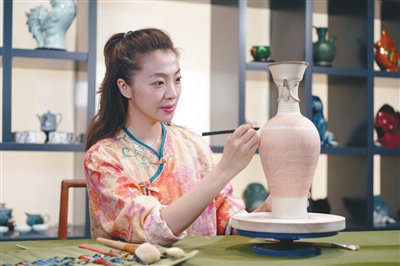
Core Viewpoint - The article highlights the successful integration of traditional Liaoning porcelain craftsmanship with modern consumer demands, particularly through the launch of zodiac-themed products for the upcoming Year of the Horse, emphasizing the importance of cultural heritage and innovation in the industry [3][5]. Group 1: Product Launch and Sales - The studio of Sun Tianshu, a representative inheritor of intangible cultural heritage, has launched a series of zodiac-themed Liaoning porcelain products, including tea sets and decorative items, which have seen significant sales both online and offline [3][4]. - The products are designed to embody auspicious meanings such as "success" and "wealth," appealing to consumers' desires for good fortune in the new year [3][4]. Group 2: Craftsmanship and Production - The production time for each zodiac piece varies based on complexity, with simpler designs taking approximately 15-20 days and more intricate ones nearly a month to complete, highlighting the meticulous craftsmanship involved [4]. - Sun Tianshu emphasizes that the handmade nature of these products allows for a blend of precision and cultural richness, providing users with a tangible connection to the heritage [4]. Group 3: Cultural Promotion and Future Vision - Sun Tianshu plans to promote Liaoning porcelain through national gifts and participation in major cultural events, aiming to enhance public visibility and appreciation of this traditional craft [4][6]. - The vision for 2026 includes deepening skill transmission, integrating Liaoning porcelain with cultural tourism, and continuously innovating product offerings to establish it as a cultural symbol of Liaoning [7].
契丹白瓷汉韵浓
Xin Lang Cai Jing· 2026-01-08 20:05
Group 1 - The Liao Dynasty played a crucial role in the historical development of a unified China, influencing subsequent Jin and Yuan regimes and impacting the development of northern and northeastern regions [1] - The Khitan people, despite their weak handicraft foundation, emphasized learning advanced cultures and gradually valued agriculture and handicraft production as their economy developed [1] - Liao porcelain, as a significant aspect of the handicraft industry, left a remarkable mark in the history of Chinese ceramics, showcasing a blend of various cultural influences [1] Group 2 - After establishing the Liao regime, the Khitan people increasingly interacted with the Central Plains, enhancing trade and cultural exchanges, which facilitated the integration of Khitan and local residents [2] - The economic trade between the Khitan and Central Plains involved the exchange of unique products such as horses and furs from the Khitan side and silk and tea from the Central Plains, promoting economic development and cultural interaction [2] - Liao porcelain represents an important heritage of cultural integration among different ethnic groups, reflecting the exchange and fusion in handicrafts, and contributing to the economic and cultural prosperity during the Song and Liao periods [2]
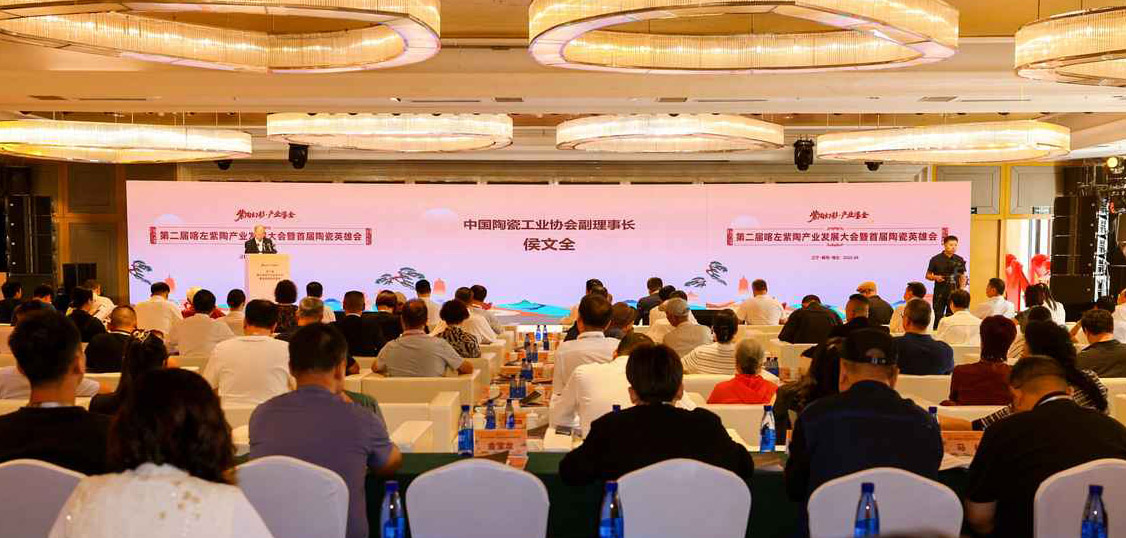
第二届喀左紫陶产业发展大会暨首届陶瓷英雄会在辽宁喀左举行
Xin Hua Wang· 2025-09-16 01:25
Core Insights - The second Kaizuo Purple Pottery Industry Development Conference and the first Ceramics Heroes Conference were held in Kaizuo County, Liaoning Province, focusing on the theme "Purple Pottery Fantasy and Industrial Upgrading" [1][3] Group 1: Industry Development - The conference aimed to create a platform for industry exchange and to explore the future development direction of China's ceramic industry, establishing a dual-driven mechanism of "living inheritance + industrial upgrading" [3] - Experts and representatives from various regions shared insights on topics such as the significance of Northern ceramics and the innovation in traditional techniques, fostering a cultural exchange between Southern and Northern pottery [3][4] Group 2: Local Industry Focus - Kaizuo County, known as the "Northern Purple Pottery Capital," has a rich history in pottery and has positioned the purple pottery industry as a key pillar for local economic growth [4] - The county has developed three major industrial clusters: artistic purple pottery, daily-use purple pottery, and architectural ceramics, contributing to cultural heritage and high-quality economic development [4] Group 3: Educational and Collaborative Initiatives - To address talent shortages, Kaizuo County signed agreements with Northeast University and Shenyang University of Technology to collaborate on talent cultivation and promote industry-academia integration [4][6] - The establishment of master studios and research bases aims to promote sustainable development in the ceramic industry, alongside initiatives to introduce ceramic practice courses in primary and secondary schools to enhance skill transmission [6] Group 4: Cultural Promotion and Events - The event featured various industry exchange activities, with discussions on the industrialization of purple pottery and the innovation of Liao ceramics [6] - A cultural market named "Ceramic Rhythm and Joy Gathering" was held, integrating pottery culture with tea, food, and creative experiences to enhance regional consumption and promote ceramic culture [6]