达伯特(氟泽雷塞片

Search documents
劲方医药董事长吕强:创业8年,明白了科学家做老板不能只想着过创新的瘾
Mei Ri Jing Ji Xin Wen· 2025-12-02 13:24
Core Viewpoint - The article discusses the journey and insights of Lü Qiang, the founder of Jinfang Pharmaceutical, highlighting the challenges and strategies in the innovative drug development landscape in China, particularly focusing on the RAS target and the company's approach to commercialization and investor relations. Group 1: Company Overview - Jinfang Pharmaceutical was founded in August 2017 by Lü Qiang in Shanghai Zhangjiang, capitalizing on the favorable conditions for innovative drug development in China [1] - The company successfully listed on the Hong Kong Stock Exchange, with its stock price increasing over 100% on the first day, but faced a subsequent decline of over 30% due to market adjustments [6] - Jinfang's lead drug, Dabotinib, is set to be the first RAS-targeted drug approved in China by August 2024, marking a significant milestone in the company's pipeline [3] Group 2: R&D Focus and Innovation - Jinfang is heavily invested in the RAS target, which has historically been considered "undruggable," with no approved drugs for over 40 years until Amgen's Lumakras received FDA approval in May 2021 [2] - The company aims to cover 80% to 90% of pancreatic cancer patients with its four RAS drugs, addressing a significant unmet need in the oncology market [11] - Lü Qiang emphasizes the importance of innovation beyond just targeting new mechanisms, advocating for a comprehensive understanding of existing research to drive breakthroughs [7][8] Group 3: Commercialization Strategy - Lü Qiang believes that the era of "single product dominance" is over, and that a product matrix approach is necessary for successful commercialization in the competitive oncology market [12] - The company has opted to partner with larger pharmaceutical firms for commercialization rather than pursuing independent sales, reflecting a strategic decision to leverage collective strengths [10] - Jinfang's strategy focuses on creating a "small but beautiful" commercial portfolio, aligning with clinical market gaps and technological advancements [12] Group 4: Market Dynamics and Future Outlook - The article notes that the Chinese biotech sector is increasingly scrutinized by professional capital, which now values the progress and breadth of R&D pipelines more than before [6] - Lü Qiang acknowledges the challenges of balancing innovation with market demands, indicating that the pressures of entrepreneurship are often underestimated [4] - The article concludes with insights on the evolving landscape of biotech and biopharma, suggesting that both sectors have distinct roles and that the current trend of high financial expectations in business development may require recalibration [13][14]

对话劲方医药董事长吕强:创业8年,明白了科学家做老板,不能只想着过创新的瘾
Mei Ri Jing Ji Xin Wen· 2025-11-28 13:09
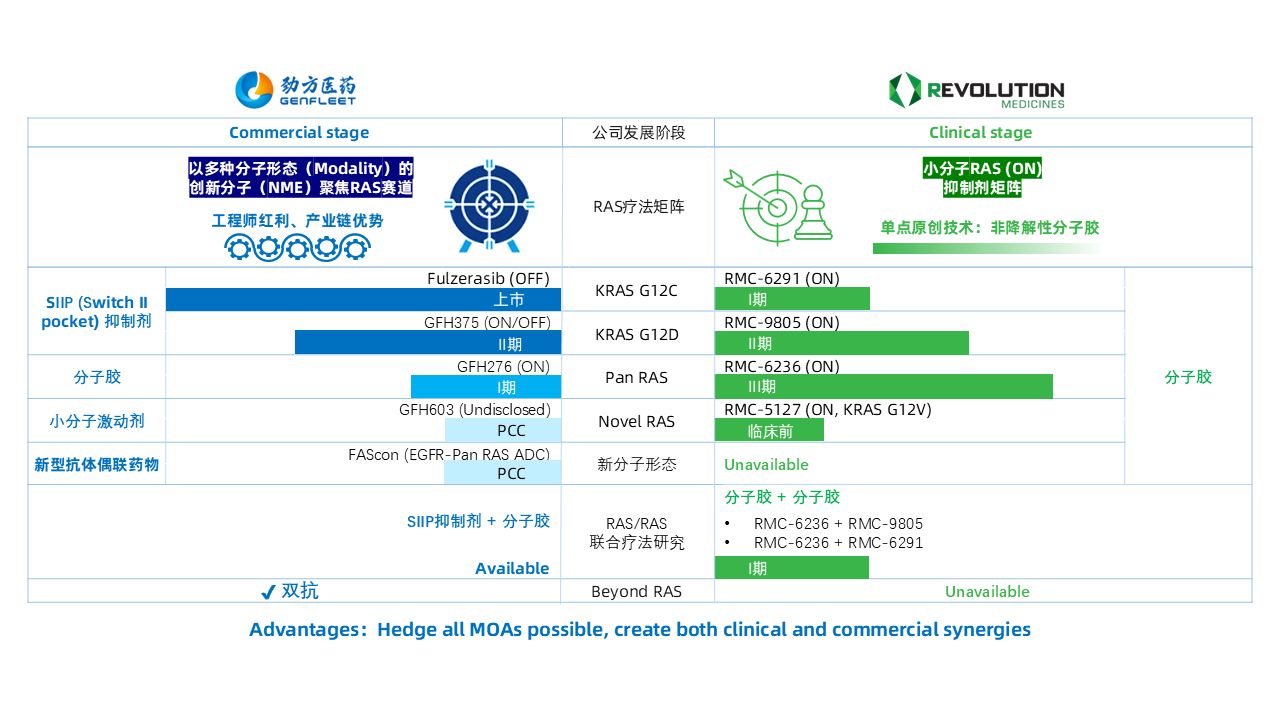
Core Viewpoint - The article discusses the journey of Junfang Pharmaceutical, founded by scientist Lyu Qiang, focusing on its innovative drug development, particularly in targeting RAS proteins, and the challenges faced in the biotech industry in China [1][2][3]. Company Overview - Junfang Pharmaceutical was established in August 2017 in Zhangjiang, Shanghai, during a favorable period for innovative drug development in China [1]. - The company successfully listed on the Hong Kong Stock Exchange, with its stock price increasing over 110% on the first day, but later faced a decline of over 30% due to market adjustments [4]. Innovation and Drug Development - The company is heavily invested in RAS targets, which have historically been considered "undruggable," with no approved drugs for over 40 years until Amgen's Lumakras received FDA approval in May 2021 [2][3]. - Junfang's drug, Daberu (GFH925), became the first RAS-targeted drug approved in China and the third globally, highlighting the company's rapid development capabilities [3]. Market Strategy - Lyu Qiang emphasizes the importance of a product matrix approach rather than relying on a single blockbuster drug, aiming to cover a significant portion of pancreatic cancer patients with multiple RAS-targeted drugs [9][12]. - The company plans to establish a "small but beautiful" commercialization strategy, focusing on complementary drug projects rather than a broad market approach [12]. Competitive Landscape - Junfang's pipeline is compared to that of Revolution Medicines, a leading U.S. company in the RAS space, which has not yet launched products but has a market capitalization exceeding $13.5 billion [5]. - The article notes that many Chinese biotech firms are seen as following international innovations, but Lyu argues that Junfang's approach is based on clinical breakthroughs and a deep understanding of existing research [7][8]. Financial and Strategic Insights - Lyu highlights the need for a balanced approach to business development (BD) and emphasizes that Junfang is not BD-driven but data-driven, focusing on solving patient needs rather than merely financial returns [14][15]. - The article mentions that the financial expectations for BD in the industry may have become unrealistic, suggesting a potential market correction in the future [15].