组合式创新

Search documents
哭着卖……
Xin Lang Cai Jing· 2025-12-04 03:14
Group 1 - SoftBank founder Masayoshi Son significantly sold off his Nvidia shares in November, stating he needed funds for investments in OpenAI and other projects, expressing regret over the sale [2][8] - Son believes that if artificial intelligence can create 10% of global GDP in the long term, the investment of trillions of dollars would be justified, countering the argument of an AI bubble [2] - Son's investment history includes notable successes such as a $105 million investment in Yahoo during the internet boom, yielding approximately 100 times return, and a $20 million investment in Alibaba, which peaked at over 3000 times return [4] Group 2 - Son's investment strategy involves making large bets on future technologies, often investing heavily in startups within promising sectors, akin to an "All IN" thematic index approach [5] - A significant drawback of this investment style is a lack of deep understanding of individual companies, which can lead to cash flow issues, as seen when SoftBank reduced its Nvidia holdings after other investments incurred losses [6] - Despite selling Nvidia shares, the investment was still highly profitable, yielding around $5.1 billion, but holding onto the shares could have made Son one of the world's richest individuals again [7]



劲方医药董事长吕强:创业8年,明白了科学家做老板不能只想着过创新的瘾
Mei Ri Jing Ji Xin Wen· 2025-12-02 13:24
Core Viewpoint - The article discusses the journey and insights of Lü Qiang, the founder of Jinfang Pharmaceutical, highlighting the challenges and strategies in the innovative drug development landscape in China, particularly focusing on the RAS target and the company's approach to commercialization and investor relations. Group 1: Company Overview - Jinfang Pharmaceutical was founded in August 2017 by Lü Qiang in Shanghai Zhangjiang, capitalizing on the favorable conditions for innovative drug development in China [1] - The company successfully listed on the Hong Kong Stock Exchange, with its stock price increasing over 100% on the first day, but faced a subsequent decline of over 30% due to market adjustments [6] - Jinfang's lead drug, Dabotinib, is set to be the first RAS-targeted drug approved in China by August 2024, marking a significant milestone in the company's pipeline [3] Group 2: R&D Focus and Innovation - Jinfang is heavily invested in the RAS target, which has historically been considered "undruggable," with no approved drugs for over 40 years until Amgen's Lumakras received FDA approval in May 2021 [2] - The company aims to cover 80% to 90% of pancreatic cancer patients with its four RAS drugs, addressing a significant unmet need in the oncology market [11] - Lü Qiang emphasizes the importance of innovation beyond just targeting new mechanisms, advocating for a comprehensive understanding of existing research to drive breakthroughs [7][8] Group 3: Commercialization Strategy - Lü Qiang believes that the era of "single product dominance" is over, and that a product matrix approach is necessary for successful commercialization in the competitive oncology market [12] - The company has opted to partner with larger pharmaceutical firms for commercialization rather than pursuing independent sales, reflecting a strategic decision to leverage collective strengths [10] - Jinfang's strategy focuses on creating a "small but beautiful" commercial portfolio, aligning with clinical market gaps and technological advancements [12] Group 4: Market Dynamics and Future Outlook - The article notes that the Chinese biotech sector is increasingly scrutinized by professional capital, which now values the progress and breadth of R&D pipelines more than before [6] - Lü Qiang acknowledges the challenges of balancing innovation with market demands, indicating that the pressures of entrepreneurship are often underestimated [4] - The article concludes with insights on the evolving landscape of biotech and biopharma, suggesting that both sectors have distinct roles and that the current trend of high financial expectations in business development may require recalibration [13][14]

这个秋冬爆火出圈的奶皮子,要成为持续受欢迎的「超级原料」有多难?| 声动早咖啡
声动活泼· 2025-11-19 09:04
Core Viewpoint - The article discusses the recent popularity of "奶皮子" (milk skin) as a trendy food item, particularly in the form of sugar-coated hawthorn, while highlighting the challenges and limitations for its long-term market demand due to high costs, seasonal fluctuations, and limited innovation potential [4][5][10]. Summary by Sections Popularity and Market Dynamics - "奶皮子" has gained significant attention on social media, with over 600 million views on Douyin and 120 million on Xiaohongshu for related topics [4]. - The price of "奶皮子" has surged from 10 yuan to 42 yuan within a week due to increased demand, but production capacity is already at its limit, making it difficult for manufacturers to meet the demand [4][5]. - Manufacturers are cautious about expanding production capacity due to past experiences with short-lived trends in the food industry [4][5]. Production and Quality Issues - "奶皮子" is a traditional dairy product from Inner Mongolia, but there is a lack of standardization in its production, leading to significant variations in quality and texture across different brands [5][6]. - The production process is labor-intensive and requires a large amount of fresh milk, making it costly and subject to seasonal price fluctuations [7][8]. Cost and Pricing Challenges - The cost of "奶皮子" is high, with estimates indicating that it takes about 3 to 3.5 kilograms of fresh milk to produce 1 kilogram of "奶皮子" [7]. - Seasonal variations in fresh milk prices can lead to increased costs for manufacturers, impacting pricing strategies for products that use "奶皮子" as an ingredient [7][8]. Innovation and Market Longevity - Current innovations involving "奶皮子" primarily focus on incorporating it into existing products rather than creating new forms, which is seen as a low-barrier "combinatorial innovation" [8][9]. - The flavor and texture of "奶皮子" are relatively fixed, limiting the potential for significant product innovation compared to more versatile ingredients like coconut [9][10]. - The high fat content of "奶皮子" products conflicts with current health trends favoring lower sugar and fat options, which may hinder long-term consumer interest [10].

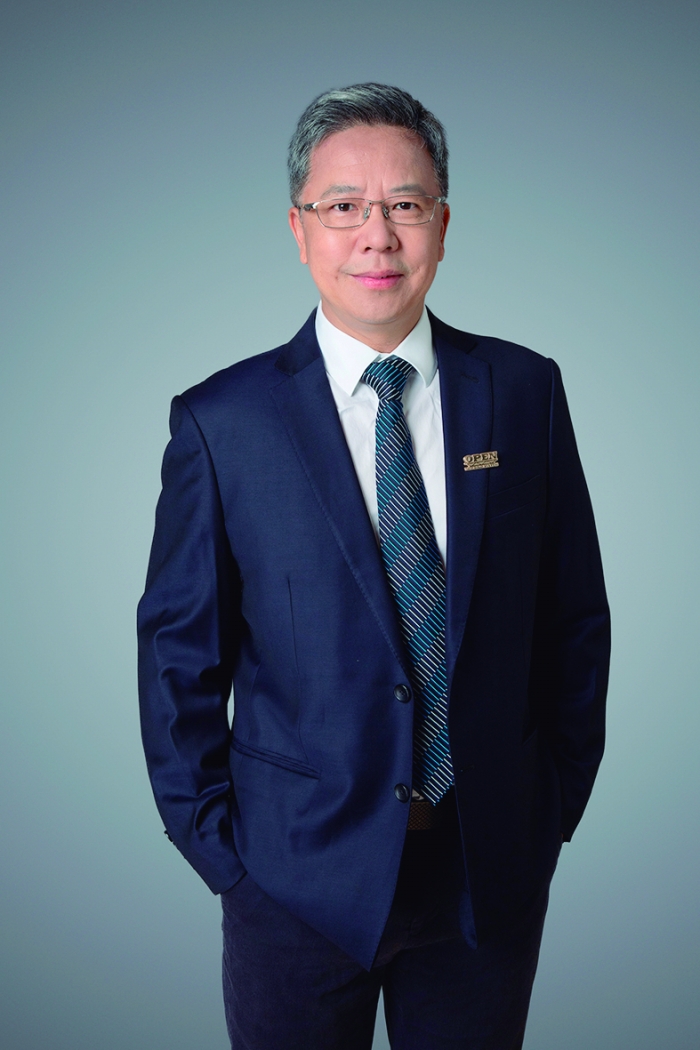
欧本钢构建筑集团陈明:在变量中捕捉创新机会
Shang Hai Zheng Quan Bao· 2025-09-19 18:25
Core Viewpoint - The article highlights the innovative approaches and market expansion strategies of Shanghai Ouben Steel Structure Construction Group, led by Chairman Chen Ming, who emphasizes the importance of structural innovation and cost management in the construction industry [2][5][7]. Group 1: Company Overview - Shanghai Ouben Steel Structure Construction Group has been established since 1998 and has deep roots in the steel structure industry for 27 years [5]. - The company focuses on providing high cost-performance building structure solutions and aims to be a professional integrated construction enterprise characterized by structural innovation [2][5]. Group 2: Innovation and Management - The company captures opportunities in the construction industry by leveraging innovation and systematic management to build a competitive edge [5]. - Ouben has developed a "Cost Control Management System" that utilizes blockchain principles for precise project cost management, enhancing team trust and collaboration [5][6]. - The company has transitioned from importing foreign technology to developing its own products, such as the shell framework, which offers advantages in prefabricated buildings [6]. Group 3: Market Expansion - Ouben aims to serve as a bridge for Chinese enterprises investing overseas, recognizing the need for partners who understand both Chinese standards and local regulations [7]. - The company has taken steps to expand its industrial chain by establishing a production base in Indonesia and a design institute in Hungary to better serve overseas projects [7]. Group 4: Vision and Mission - The company is committed to creating beautiful architecture that combines functionality with aesthetic appeal, reflecting its mission to "create beautiful buildings" [8].
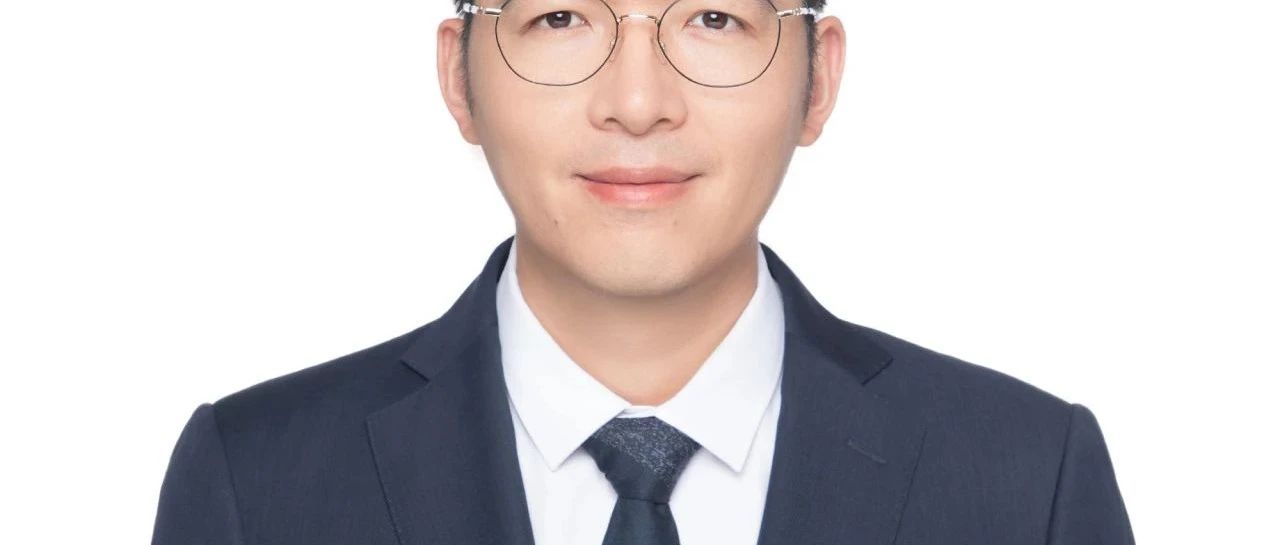
实验室里走出来的“数据捕手”,富国基金王超如何用长期主义擒获牛股?
21世纪经济报道· 2025-07-10 10:37
Core Insights - The article emphasizes the importance of investing in industries that are in an upward trend or full of opportunities, particularly in the innovative pharmaceutical sector [1] - It highlights that innovative drug research must be based on solid data, as high-quality data ultimately translates into significant commercial value [2] - The selection criteria for innovative drugs focus on whether the product has global competitiveness and addresses unmet clinical needs [3] Investment Performance - The Fuqun Pharmaceutical Innovation Fund, managed by Wang Chao, has shown remarkable performance, ranking second among its peers within a year of its establishment [2] - As of June 30, 2025, the fund has achieved a nearly 30% increase in the Hong Kong Innovative Drug Index and a 17% rise in the Innovative Drug Industry Index [1] Investment Philosophy - Wang Chao's investment strategy is characterized by a concentrated portfolio, with the top ten holdings accounting for 60%-70% of the fund [3] - The investment approach is driven by deep research and focuses on identifying high-value long-term holdings [3] Background of the Fund Manager - Wang Chao has over a decade of experience in the pharmaceutical industry, transitioning from research and consulting to investment [5][6] - His background in drug development has provided him with a unique advantage in understanding the critical factors that drive value in innovative drug investments [6][7] Methodology for Investment - The investment philosophy includes three main principles: selecting the right direction, targeting unmet clinical needs, and ensuring global competitiveness [11][13] - Wang Chao emphasizes the importance of rigorous data tracking and analysis in the investment process, believing that excellent data will eventually yield productivity [10] Future Outlook - Wang Chao expresses confidence in the future of China's innovative drug industry, noting that it is at a turning point from quantitative to qualitative change [20] - He identifies three key areas for future breakthroughs: combination innovation, small molecule drugs, and new modalities such as small nucleic acid drugs and cell therapies [21]
仅四年,产量增26倍!中国汽车第一城,藏着一个“雨林”
21世纪经济报道· 2025-03-11 02:53
Core Viewpoint - The article emphasizes Shenzhen's rapid transformation into a leading hub for the new energy vehicle (NEV) industry, highlighting the city's unique ecosystem and the pivotal role of key players like BYD and Huawei in driving innovation and growth in the automotive sector [2][18]. Industry Overview - The automotive industry is experiencing a significant shift, with Shenzhen emerging as a key player in the NEV market, achieving a production volume of 2.9353 million NEVs in 2024, a year-on-year increase of 69.2% [4][5]. - The city aims to solidify its position in global markets by enhancing its competitiveness in electronics, automotive, and new energy sectors through initiatives like the "ICT+" action plan [3]. Key Players and Innovations - BYD has established itself as a leader in the global NEV industry, with a focus on vertical integration of core components such as batteries, motors, and electronic controls, enhancing its resilience to market changes [6][10]. - Huawei, while not manufacturing vehicles, has become an integral part of the automotive supply chain, leveraging its ICT expertise to provide solutions for various car manufacturers [4][6]. Technological Advancements - The article discusses the emergence of a "networked" supply chain structure in the NEV sector, allowing for "emergent innovation" where more supply chain companies take on leading roles [6][16]. - Innovations such as BYD's blade battery and the e-platform 3.0 are highlighted as key technological advancements that contribute to the competitive edge of Shenzhen's automotive industry [10][12]. Infrastructure Development - Shenzhen has built a comprehensive charging infrastructure, becoming the world's first "supercharging city" with over 13,400 new charging piles and 1,030 supercharging stations [8]. - The city is also advancing in smart transportation, with initiatives like the "car-road-cloud integration" project, which aims to enhance the synergy between vehicles, infrastructure, and digital technologies [14][15]. Future Outlook - The Shenzhen government plans to achieve an industrial output value of over one trillion yuan for the automotive sector by 2025, indicating strong growth potential [18]. - The article concludes that Shenzhen's unique innovation culture and engineering talent will continue to drive the city's automotive industry forward, positioning it as a model for the future of global NEV development [19][20].