酒类等)

Search documents
海南离岛免税新政实施购物金额大幅增长
Sou Hu Cai Jing· 2026-01-22 07:06
Group 1 - The core of the new Hainan duty-free policy is the dual enhancement of shopping limits and product categories, increasing the annual duty-free shopping limit from 30,000 yuan to 100,000 yuan and expanding the number of duty-free product categories from 38 to 45, including popular items like electronics and alcohol [4] - The shopping experience has become more convenient with a blend of online and offline channels, allowing consumers to experience products in physical stores or order online for easy pickup, along with a new "mail delivery" service [5] - The price advantage of duty-free goods is a key attraction, as these products are often cheaper than domestic retail prices due to the exemption from tariffs and taxes, with some items even more competitive than overseas boutiques [5] Group 2 - The implementation of the Hainan duty-free policy not only benefits consumers but also invigorates the Hainan Free Trade Port's development, promoting growth in tourism, logistics, and retail sectors, and facilitating the integration of domestic and international consumption resources [6] - Hainan is expected to become a leading global duty-free shopping destination as the policy continues to evolve, with plans to optimize the duty-free service system and introduce more international brands to enhance consumer experience [7] - The successful implementation of the Hainan duty-free policy reflects China's commitment to promoting consumption upgrades, benefiting both local residents and tourists, and contributing to high-quality economic development [7]


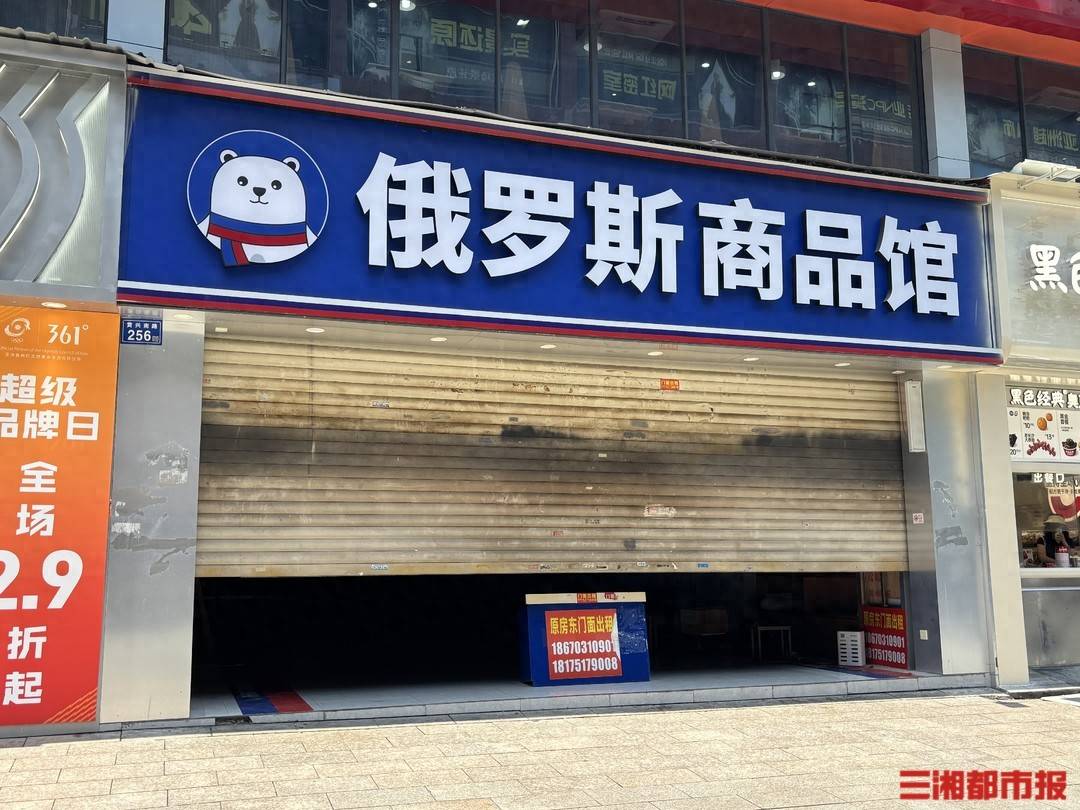
曾遍地开花,长沙的“俄罗斯商品馆”都不见了
Sou Hu Cai Jing· 2025-07-28 06:23
Core Viewpoint - The "Russian Goods Pavilions" that once thrived in Changsha are now facing a significant decline, with many shops closing down or transforming into new businesses, indicating a major industry reshuffle [1][2][4]. Group 1: Industry Trends - The popularity of "Russian Goods Pavilions" surged last year, but many products sold were not genuine imports from Russia, leading to a rise in consumer skepticism and regulatory scrutiny [1][5]. - A notable number of these pavilions have closed, with reports indicating that some locations have been vacant for months, while others have been repurposed for different businesses [2][4]. - The rapid rise and fall of these pavilions have been observed in multiple cities across China, including Chengdu, Hangzhou, and Guangzhou, suggesting a broader trend in consumer behavior and market dynamics [6]. Group 2: Regulatory Actions - Authorities have conducted inspections and investigations into the "Russian Goods Pavilions," identifying several instances of illegal operations and false advertising, with six shops facing legal action for various violations [5][6]. - The Russian Embassy in China has also issued warnings about shops misrepresenting their products as genuine Russian goods, highlighting the issue of quality and authenticity [5]. Group 3: Market Analysis - Industry experts suggest that the initial success of these pavilions was largely driven by marketing hype rather than the quality or authenticity of the products, which ultimately led to their downfall [6]. - The lack of genuine Russian products and the reliance on domestic substitutes have resulted in a failure to meet consumer expectations, contributing to the unsustainable nature of this business model [6].