酥鸡

Search documents
鲁迅:新年炖只鸡,是个好主意
Xin Lang Cai Jing· 2026-02-19 02:30
Core Viewpoint - The article discusses the dietary habits of Lu Xun, a prominent Chinese writer, particularly focusing on his consumption of chicken throughout different periods of his life, reflecting cultural and personal significance [4][6][15]. Group 1: Dietary Habits - In the 1930s, Lu Xun's meals were simple but became more elaborate when guests visited, often including multiple bowls of fish and meat [4]. - During his childhood, chicken was a rare treat, typically reserved for special occasions, and was associated with family gatherings and celebrations [6][9]. - Lu Xun's family maintained a tradition of sending chicken to him while he was studying away from home, highlighting the importance of this food in familial bonds [7]. Group 2: Cultural Significance - Lu Xun's reflections on food, particularly chicken, reveal a deeper commentary on social customs and personal values, as he often used food as a metaphor for broader societal issues [9][15]. - His approach to festive meals was casual, indicating a philosophical stance towards traditional celebrations, where he viewed the act of eating chicken during the New Year as a simple yet meaningful gesture [15]. Group 3: Personal Preferences - Despite the health benefits of chicken soup, Lu Xun preferred harder foods and often neglected the more nourishing options during his illness, showcasing his personal tastes [15]. - The article notes that Lu Xun's dietary choices were influenced by his upbringing and the socio-economic conditions of his family, which shaped his relationship with food [11][13].

酥鸡、年糕、鱼圆……你家年夜饭餐桌上都有什么菜?
Xin Lang Cai Jing· 2026-02-16 02:30
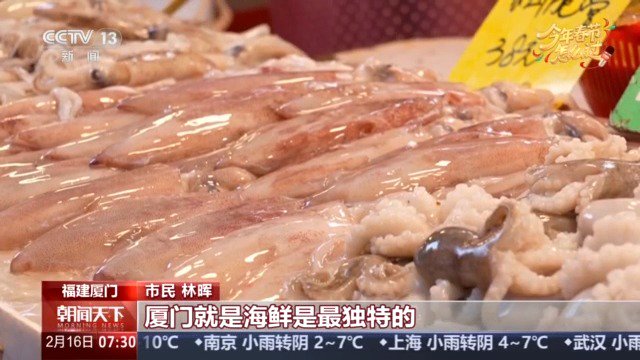
Group 1 - The article highlights the significance of family reunions and traditional customs during the Chinese New Year, emphasizing the warmth and emotional connections associated with the celebrations [1] - Various regional specialties are mentioned, such as seafood in Xiamen and a vegetable dish called "Su Shijun" in Nanjing, showcasing the diversity of culinary traditions across different areas [3][5] - The article notes the trend of families preparing traditional foods at home, with a focus on homemade items like yellow wine and various meat dishes, reflecting a cultural preference for home-cooked meals [5][7] Group 2 - The importance of symbolic foods is discussed, such as fish balls and meat balls, which are integral to the New Year celebrations, representing unity and good fortune [9] - The shift towards convenience in food preparation is highlighted, with many families opting for ready-made items and online delivery services, indicating a change in consumer behavior during the festive season [12] - The article emphasizes the communal aspect of the celebrations, where the focus is on family gatherings and communication rather than just the food itself, reinforcing the cultural value of togetherness during the New Year [12][14]