
重庆奉节脐橙

Search documents
(经济观察)多产业跨境相融 重庆与东盟经贸合作持续加深
Zhong Guo Xin Wen Wang· 2026-01-26 11:18
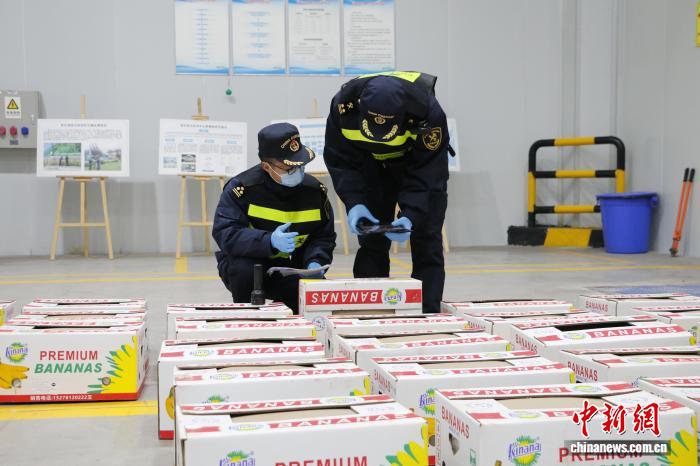
Group 1 - In 2025, Chongqing's import and export trade with ASEAN is projected to reach 132.65 billion yuan, a year-on-year increase of 12.6%, accounting for 16.6% of the city's total foreign trade value [1] - ASEAN continues to be Chongqing's largest trading partner, with agricultural products from ASEAN becoming increasingly popular in the Chongqing market [3][5] - The export value of Chongqing's agricultural products to ASEAN is expected to grow by 82.2% in 2025, making ASEAN the largest market for Chongqing's agricultural exports [3] Group 2 - Chongqing's animal-derived product regulatory system received approval for market access in Singapore, leading to the first export of meat processing products to Singapore in March 2025 [3] - The cooperation between Chongqing Customs and Singapore Customs has led to initiatives such as the China-Singapore (Chongqing) digital border information interconnection project [5] - Chongqing Customs has facilitated the import of goods benefiting from the China-ASEAN Free Trade Agreement and RCEP, with a total of 3.39 billion yuan in goods enjoying preferential policies and a tax reduction of 460 million yuan [7]

品质优才能品牌强
Jing Ji Ri Bao· 2025-06-29 22:11
Core Insights - Dandong strawberries are embracing new opportunities despite challenges, highlighting the importance of brand development in agriculture [1] - The global agricultural competition is shifting towards high-quality and differentiated branding rather than just scale [1][2] - The development of brand agriculture in China is at a critical juncture, with increasing brand awareness among producers but still limited regional influence for many brands [2] Group 1: Brand Development - Brand is a reflection of agricultural competitiveness, with strong agricultural nations being those with strong agricultural brands [1][2] - The number of brands in China is increasing, but many still lack influence beyond local markets due to product homogeneity and insufficient brand loyalty [2] - Trust is essential for brand success, as consumers are increasingly selective and demand stable quality [2] Group 2: Government and Industry Support - The Ministry of Agriculture has implemented a brand cultivation plan, resulting in 226 brands across various agricultural categories [3] - The focus should be on developing regional public brands, which can protect and enhance individual enterprise brands [3] - Successful regional brands can create a positive effect for associated products, but issues like brand misuse can undermine this [3] Group 3: Strategic Recommendations - Key strategies for brand development include scientific planning, strengthening certification and quality management, and enhancing innovation and protection [4] - Utilizing digital technology to build emotional connections between brands and consumers is essential for modern brand strategies [4] - Improving supply chain efficiency and expanding into processing, tourism, and cultural creative sectors are recommended for deeper industry integration [4]