金刚石散热涂层

Search documents
用钻石冷却芯片
半导体行业观察· 2025-10-21 00:51
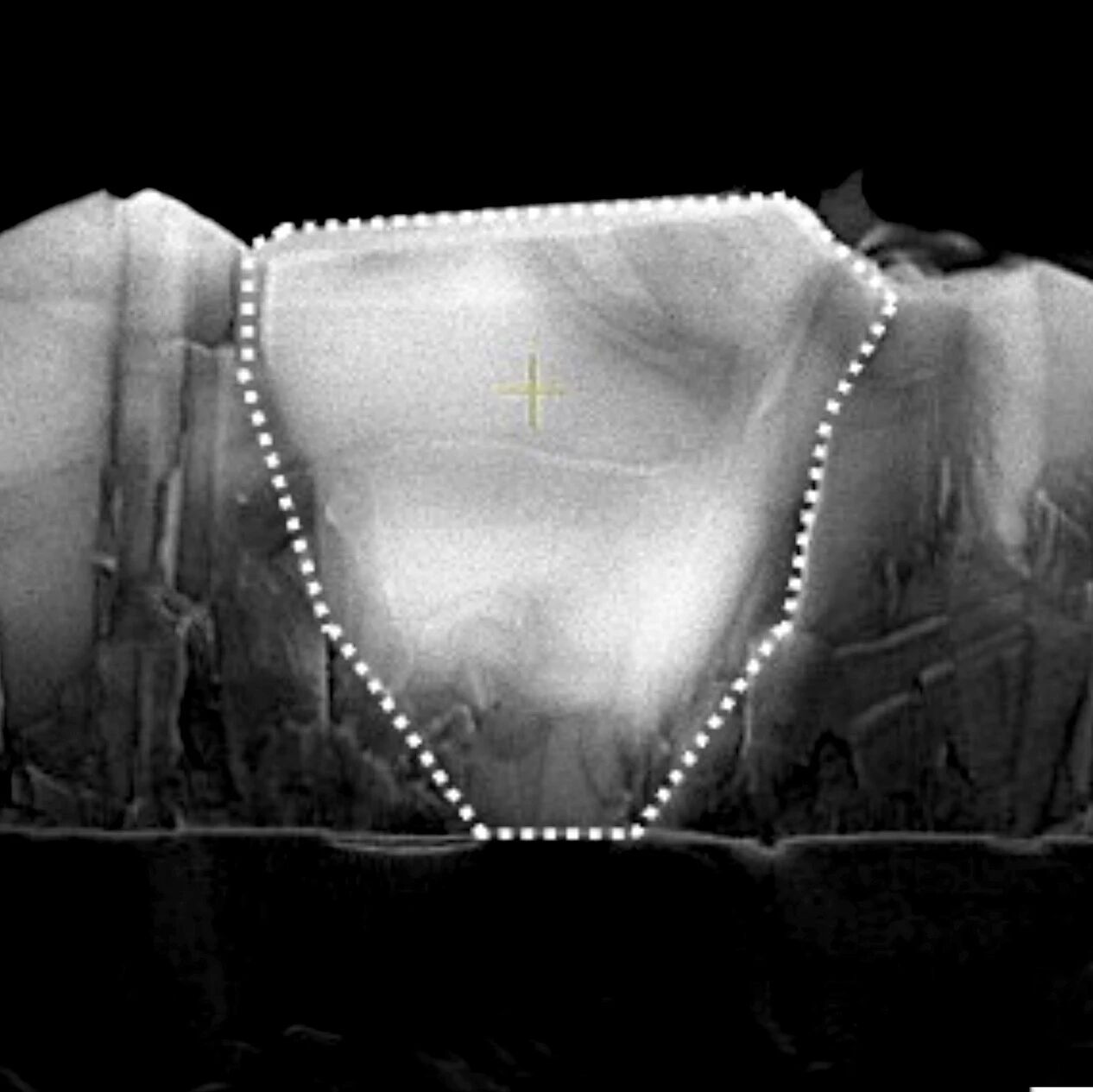
Core Viewpoint - The article discusses the challenges of heat management in advanced semiconductor devices and introduces diamond as a potential solution for thermal conductivity, which could significantly enhance the performance of chips and electronic devices [2][5][32]. Group 1: Heat Management Challenges - The increasing number of transistors in chips leads to heat accumulation, creating hotspots that can exceed temperatures by several degrees, which limits CPU and GPU performance [2][5]. - High-performance processors require greater power density, with new Nvidia GPU servers consuming nearly 15 kilowatts [2]. - Current cooling strategies, such as heat sinks and fans, are becoming less effective as chip architectures evolve towards 3D stacking, necessitating innovative thermal management solutions [13][26]. Group 2: Introduction of Diamond as a Solution - Diamond is identified as an ideal material for heat dissipation due to its superior thermal conductivity, being several times more efficient than copper, and its electrical insulation properties [4][15]. - Recent advancements allow for the growth of diamond films at temperatures low enough to not damage sensitive semiconductor devices, enabling integration into chips [4][19]. Group 3: Benefits of Diamond Integration - Initial tests with gallium nitride (GaN) transistors show that adding diamond can reduce device temperatures by over 50°C and improve signal amplification by five times [5][24]. - The integration of diamond in CMOS chips is expected to mitigate the thermal limitations posed by increasing hotspot temperatures, which could rise by nearly 10°C in upcoming manufacturing technologies [5][26]. Group 4: Research and Development Efforts - The research team is collaborating with industry partners, including DARPA and TSMC, to develop diamond-based thermal management solutions for high-performance applications [31][32]. - Ongoing experiments demonstrate that diamond layers can significantly enhance thermal performance in GaN HEMT devices, with temperature reductions of up to 70°C observed [24][29]. Group 5: Future Implications - Successful integration of diamond technology could redefine thermal management across various industries, potentially becoming a standard in next-generation electronic products [32].