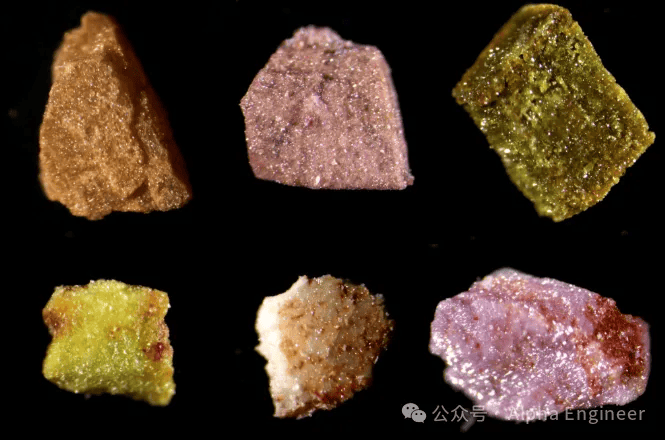
铈基催化剂

Search documents
投资逻辑「红宝书」之:稀土
Sou Hu Cai Jing· 2025-10-12 02:41
Core Investment Logic of Rare Earth Industry - Rare earths are referred to as "industrial vitamins" and play an indispensable role in high-end manufacturing and defense technology [3][12] - The demand for rare earth permanent magnets is expected to surge, particularly with humanoid robots being identified as a "killer application" [4] - China holds the largest reserves and production capacity of rare earths globally, positioning itself as a key player in the international supply chain [5][37] - Amid escalating US-China trade tensions, rare earths have become a strategic bargaining chip for China [6] - Research in the rare earth industry must consider both supply-demand dynamics and the political landscape between China and the US [7] Recent Policy Developments - The new export control policy introduced on October 9, 2025, is a significant catalyst for the rare earth sector, reshaping the global supply order [8] - The policy expands the range of controlled items and implements "long-arm jurisdiction" and key technology blockades, enhancing supply-side rigidity and controllability [9][56] - The planned increase of China's strategic rare earth reserves by 25% and the formation of a "dual oligopoly" structure in the industry further strengthen supply-side dynamics [9] Demand Dynamics - The strong contraction in supply coupled with sustained high-end demand is expected to drive the industry's prosperity and elevate price levels [10] - Rare earth elements are categorized into light and heavy rare earths, with applications ranging from automotive to aerospace [13][22] - The automotive sector, particularly electric vehicles, is projected to significantly boost rare earth demand, with an estimated usage of 2-4 kg of neodymium-iron-boron per vehicle [24] - Wind power generation and energy-efficient appliances are also key areas driving demand for rare earth permanent magnets [25][26] Global Resource Distribution - Global rare earth resources are concentrated in regions such as China, Southeast Asia, Australia, and parts of Africa and the Americas [28] - China has discovered 16 out of the 17 rare earth elements, establishing a "north light, south heavy" industrial pattern [30] - The US Geological Survey estimates that global rare earth reserves will reach approximately 90.88 million tons in 2024, with China accounting for 44 million tons, or 48.4% [32][37] China's Dominance in the Rare Earth Supply Chain - China is the only country with a complete rare earth industry chain, covering mining, refining, and application [33][36] - In 2024, China's rare earth production is projected to be 270,000 tons, representing 69% of global output [38] - China's midstream refining capacity accounts for 92.3% of the global total, while its production of high-value permanent magnets is about 90% of the world supply [41] Industry Structure and Market Dynamics - The Chinese rare earth industry has consolidated into a dual oligopoly structure, with Northern Rare Earths and China Rare Earths controlling 98% of the national mining quotas [42] - Despite efforts by Western countries to create a "de-China" rare earth supply chain, new overseas projects face significant challenges in achieving independence from Chinese supply [43][44] Policy Measures and Strategic Control - China has implemented a total quota system for rare earth mining since 2006, with growth rates for mining and refining indicators significantly slowing in 2024 [49] - The recent export control policy marks a new phase in China's management of rare earth resources, aiming to reshape the global supply chain and reinforce its strategic position [52][56] Key Companies in the Rare Earth Industry - China Rare Earths and Northern Rare Earths are leading players in the upstream resource and midstream refining sectors, with significant strategic advantages [57] - MP Materials and Lynas Rare Earths are key players outside China, focusing on resource extraction and refining, but face challenges in achieving a fully integrated supply chain [59]