银杯

Search documents
钻石的眼泪,白银的沉默:当克拉小品牌溢价遇上九成折损,银杯却凭银料保值?
Sou Hu Cai Jing· 2026-01-25 13:43
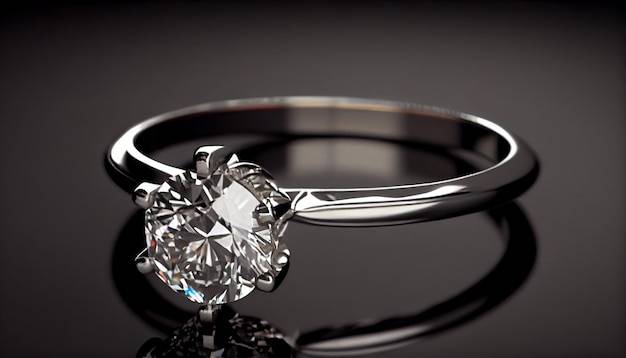
Core Insights - The article discusses the disparity between the perceived value of diamond rings and their actual resale value, highlighting the significant depreciation in the second-hand market [3][7] - It contrasts the emotional and brand-driven pricing of diamonds with the intrinsic value of silver, which is based on its material worth [4][6] Group 1: Diamond Market Analysis - The concept of "premium for small brands" indicates that consumers often pay significantly more for design and brand stories than the actual value of the diamond itself [1][3] - The resale value of diamonds can drop by as much as 90%, revealing a stark reality when consumers attempt to liquidate their purchases [3][7] - The marketing narrative surrounding diamonds creates a psychological necessity, suggesting that without a diamond, love is incomplete [7][8] Group 2: Silver Market Analysis - Silver maintains its value based on the weight of the material, independent of branding or emotional narratives, providing a more stable investment [4][6] - The intrinsic value of silver products is less susceptible to market fluctuations, as their worth is directly tied to the current silver price [4][10] - Consumers are increasingly recognizing the value of silver as a tangible asset, moving away from the allure of overhyped diamond narratives [8][10] Group 3: Consumer Behavior and Value Perception - There is a growing awareness among consumers regarding the distinction between "soft value" (emotional and brand) and "hard value" (material worth) in their purchases [8][10] - The article suggests a shift in consumer mindset from valuing stories and branding to appreciating the fundamental material value of products [8][10] - The contrast between the ephemeral allure of diamonds and the enduring value of silver encourages a more rational approach to consumption [6][10]

钻石神话要破灭了?人工培育钻掀起爱情革命,银价飙升背后竟藏工业密码!
Sou Hu Cai Jing· 2026-01-24 13:21
Group 1: Diamonds - The emergence of lab-grown diamonds offers a new definition of commitment, as they possess the same physical, chemical, and optical properties as natural diamonds, often with higher purity and fewer flaws [1][3] - Lab-grown diamonds are priced at only 30%-50% of natural diamonds, allowing consumers to purchase larger and more brilliant stones, challenging traditional narratives around diamond value [3][6] - Jewelers are responding to this shift by emphasizing the rarity and emotional significance of natural diamonds while quietly introducing lab-grown options, indicating a silent competition in the market [3][10] Group 2: Silver - Silver is transitioning from a traditional precious metal to a critical industrial material, essential for solar panels, 5G devices, and electric vehicle electronics, driven by the green energy revolution and digitalization [4][6] - The demand for silver is increasingly linked to the growth of renewable energy and electric vehicle sales, making its price fluctuations more dependent on these sectors rather than traditional economic indicators [6][10] - The revival of silver cups reflects a shift in consumer attitudes towards sustainable and meaningful products, emphasizing a connection to heritage and a slower, more intentional lifestyle [9][10] Group 3: Material Revolution - The narrative around diamonds and silver illustrates a broader shift from a consumption model focused on natural scarcity to one that values technological innovation, practical utility, and sustainability [10] - The rise of lab-grown diamonds questions the necessity of high environmental and economic costs associated with traditional diamond purchases, while silver's industrial rise highlights the intrinsic value of materials in serving human development [10] - The popularity of silver cups symbolizes a desire for items that foster a connection to nature and personal history, contrasting with the more transient nature of both natural and lab-grown diamonds [9][10]