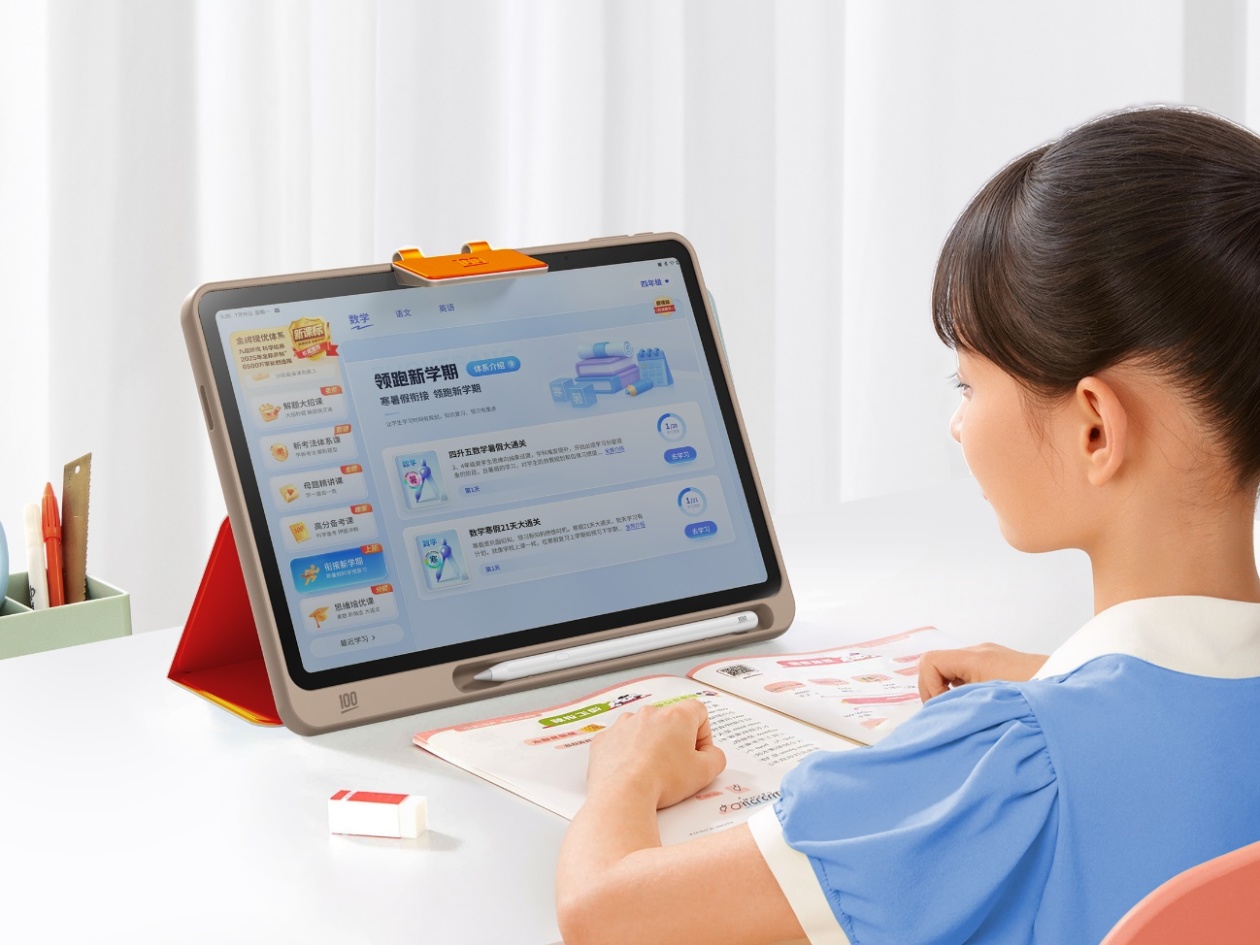
银河大模型

Search documents
国产AI大模型企业密集上市:资本狂欢下的技术博弈与产业未来
Sou Hu Cai Jing· 2026-01-22 09:54
Group 1 - The year 2024 is recognized as the "Year of Commercialization for China's AI Large Models," with a significant wave of domestic AI companies expected to go public in 2025 [2] - Over ten Chinese tech companies focused on large language models (LLMs) have submitted IPO applications since Q1 2024, raising over 30 billion RMB in the first half of 2025 [2] - Major cities like Beijing, Shanghai, and Shenzhen are becoming hubs for AI large model companies, supported by local government policies [5] Group 2 - DeepSeek, known for its open-source large model, has a valuation exceeding 12 billion USD and plans to invest 4.2 billion RMB in R&D for 2024 [3] - Zhipu AI, backed by Tsinghua University, is pursuing a listing on the Sci-Tech Innovation Board, with its GLM-4 Turbo model outperforming international counterparts in various tasks [3] - Moonshot AI has gained attention for its "Long Context Window" technology, securing 800 million USD in funding and achieving a post-investment valuation of 6.5 billion USD [4] Group 3 - In 2024, total investment in China's AI sector reached 215 billion RMB, with over 60% allocated to large models and related applications, marking a 75% increase from 2023 [6] - The average investment amount in Pre-IPO rounds rose from 520 million RMB in 2023 to 870 million RMB in 2024, indicating a shift towards more mature AI companies [6] - The adoption rate of AI technology among enterprises surged from 22% in 2022 to 47% in 2024, with significant growth expected in sectors like finance, manufacturing, education, and healthcare [7] Group 4 - Domestic large model companies have made significant advancements, with eight out of the top ten positions in the CLUE benchmark held by Chinese models [7] - The Chinese government has introduced supportive policies for AI companies, including measures to facilitate domestic and international financing [7] - The geopolitical landscape, particularly U.S. restrictions on high-end GPU exports, has accelerated the demand for domestic AI solutions [8] Group 5 - Companies are exploring various monetization strategies, including API service fees, enterprise solutions, and open-source models with commercial licenses [14] - The training and inference costs for large models remain a significant challenge, with estimates indicating that training a trillion-parameter model could exceed 120 million RMB [16] - Only 15% of AI large model companies that have submitted IPO applications reported profitability in the last fiscal year, with average losses reaching 1.8 times their revenue [17] Group 6 - Traditional valuation methods are being challenged, leading to the development of new frameworks that emphasize technical barriers and ecosystem value [18] - The stock performance of AI-related companies has shown a polarized trend, with major players like Baidu and Alibaba seeing significant stock price increases [19] - The AI large model sector is expected to undergo a commercial validation phase from 2025 to 2026, with a focus on actual revenue growth and sustainable business models [26]

AI与标准双轮驱动下,学习机行业正驶入“快车道”
Huan Qiu Wang Zi Xun· 2025-08-13 10:21
Core Insights - The learning machine market in China is experiencing rapid growth driven by user demand, accelerated application of large models, and national subsidy policies, with sales projected to rise from 3.342 million units in 2021 to 5.923 million units by 2024, reflecting a compound annual growth rate of 21% [1] - The industry is shifting focus from price and channel competition to higher dimensions such as content resources, AI applications, and industry standards [1] - Companies that maintain product and operational leadership while participating in industry standard formulation gain dual authority in technology maturity and market recognition [1] Industry Developments - In 2025, multiple industry standards and evaluation systems will be launched, with the China Academy of Information and Communications Technology collaborating with leading companies to establish technical specifications and assessments in AI learning machines and educational intelligent agents [1] - The "AI Super Teacher" from Zuoyebang learning machine became one of the first brands to pass the evaluation by the China Academy of Information and Communications Technology, focusing on educational applications and demonstrating strong performance in real learning scenarios [3] Market Strategy - Zuoyebang adopted a unique pricing strategy by launching its first AI learning machine in the 2000-3000 yuan range, targeting the demand for high-quality educational resources in lower-tier cities [4] - As of the first quarter of 2025, the 2000-4000 yuan price segment accounted for 57.2% of the market, with Zuoyebang holding a 46.7% market share in this segment [4] Channel Development - The learning machine market is transitioning from primarily online channels to a more integrated online and offline approach, with an increasing emphasis on offline experiences and services [7] - Zuoyebang has been one of the first brands to establish offline channel layouts, covering most prefecture-level cities in China, which serve as key points for brand experience and customer service [7][8] User-Centric Approach - The development of large model technology, diverse user needs, and upgraded channel systems are reshaping the growth logic of the learning machine industry [9] - Zuoyebang's sustained leadership is attributed to its focus on user needs, from targeting the mass market to building AI capabilities and establishing a comprehensive online and offline operational framework [9]
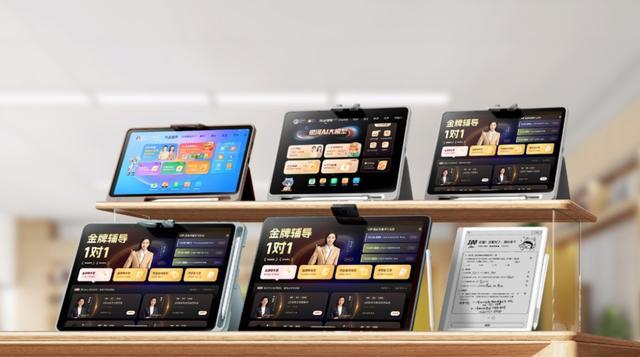
学习机从“工具辅助”迈入超级智能体时代:认知地图让学习计划“活”起来
Huan Qiu Wang· 2025-07-21 06:00
Core Insights - The article discusses the evolution of learning machines from simple tools to intelligent learning partners, highlighting the launch of the new AI learning machine P50 by Zuoyebang, which integrates advanced AI capabilities to provide personalized learning experiences [1][3]. Group 1: Product Features - The P50 learning machine utilizes a self-developed large model to create features such as "AI Super Teacher," "AI Precision Practice," and "AI Challenge Practice," enhancing both AI capabilities and learning resources [1][5]. - The "AI Super Teacher" feature simulates the logic and feedback of a real teacher, addressing common pain points in home learning environments, such as identifying weak areas and providing tailored solutions [5][6]. - The learning machine generates a "cognitive map" that identifies not only what students struggle with but also the reasons behind their difficulties, allowing for a dynamic learning plan that adjusts based on daily progress [1][4]. Group 2: User Interaction - The P50 learning machine supports natural dialogue interactions, enabling students to ask questions and receive immediate, context-aware responses, thus integrating seamlessly into daily learning routines [3][4]. - The system can analyze learning data from the past 30 days to provide specific feedback to parents about their child's performance, enhancing communication and understanding of learning challenges [3][4]. Group 3: Educational Content - The P50 learning machine features a comprehensive upgrade in course content and practice resources, now offering nine major course systems and ten premium practice types to meet diverse learning needs [6][7]. - The content is designed to be adaptive, catering to different educational stages and ensuring that students receive the most relevant and effective learning materials [6][7]. Group 4: Future Directions - The company aims to deepen the integration of large models and learning data, focusing on optimizing AI performance and expanding the depth of learning data analysis to provide more customized and efficient learning solutions [7][8]. - Future developments may include the collaboration between AI and human teachers, where AI handles precise diagnostics and personalized training, allowing teachers to focus on guiding critical thinking and value formation [8].