
锄头

Search documents
乡土田埂上的“希望年”
Xin Lang Cai Jing· 2026-02-19 23:03
Group 1 - The article highlights the integration of traditional farming customs with the festive atmosphere of the New Year in Peiwang Village, Henan Province, showcasing a vibrant rural culture [1] - The village employs a dual-crop farming model through the promotion of corn and soybean intercropping, which enhances agricultural efficiency and ensures high-quality soybean production for local farmers [1] - The practice of making tofu is emphasized as a significant New Year activity, symbolizing good fortune and prosperity, reflecting the cultural importance of food in local traditions [1] Group 2 - The article describes the preparations for the New Year, including cleaning farming tools and decorating with red cloth, which signifies good wishes for the upcoming year [2] - The celebration of traditional customs, such as hanging spring couplets and window decorations, illustrates the blend of ancient agricultural practices with modern innovations, contributing to a vibrant rural community [2] - The narrative emphasizes the role of festive traditions in fostering a sense of hope and anticipation for agricultural prosperity in the coming year, aligning with the broader goals of rural revitalization [2]
这些东西不能带上火车 出发前要注意
Yang Shi Xin Wen Ke Hu Duan· 2026-02-02 06:44
Group 1 - The article discusses the regulations regarding items that can and cannot be brought on trains during the Spring Festival travel period, emphasizing the importance of compliance for travelers [1][3] - Food items such as seafood in sealed packaging and alcoholic beverages with an alcohol content between 24% and 70% (up to 3000 milliliters per person) are allowed, while odorous foods like durian and stinky tofu can be brought but not consumed on the train [1][3] - Daily necessities like small household appliances (e.g., rice cookers, curling irons) can be carried, but their use is prohibited on trains and at stations [3] Group 2 - Specific items like power banks must have clear labeling and an energy rating not exceeding 100Wh, while ordinary lighters are limited to two per person [5] - Items that cannot be carried on board but can be checked include knives longer than 60mm, blunt instruments, and certain tools, with exceptions for guide dogs for visually impaired passengers [5] - Certain items are completely prohibited from both carry-on and checked luggage, including controlled knives, fireworks, and self-heating food products containing magnesium-aluminum powder [7]


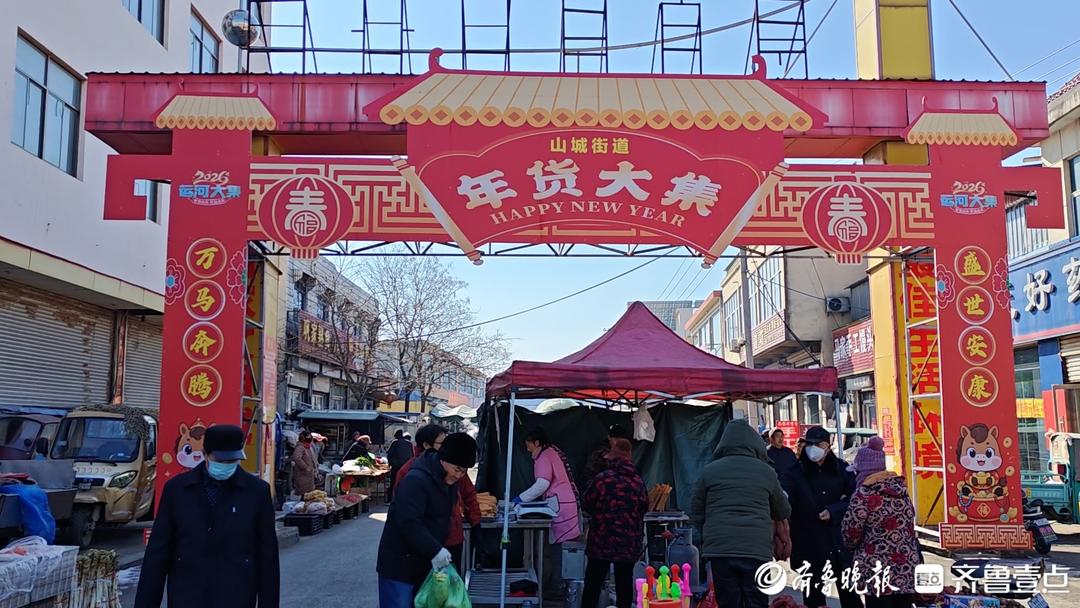
年货上线,山亭大集已调至“春节档”
Qi Lu Wan Bao· 2026-01-22 23:22
Core Viewpoint - The article highlights the vibrant atmosphere and cultural significance of the Shanting Rural Market in Zaozhuang, which attracts thousands of visitors and serves as a cultural landmark, blending traditional practices with modern influences [1][11]. Group 1: Market Dynamics - The Shanting Rural Market, held on specific lunar calendar dates, spans over 50 acres with more than 400 stalls, attracting an average of over 10,000 visitors daily and nearly 30,000 during peak times [1]. - The market has evolved from a small riverside trading spot to a well-organized cultural hub, serving not only local villages but also drawing visitors from nearby cities like Jining and Linyi [1][11]. Group 2: Traditional Crafts and Vendors - Local vendors, such as Qin Jingli and Wang Yuyan, maintain traditional methods in their products, like the "Old Locust Tree" sesame oil, which has been made using ancient techniques for over a century [3]. - Blacksmith Liang Xuexian continues a family tradition of over a hundred years, producing essential farming tools and kitchenware, indicating the enduring demand for traditional craftsmanship [5]. Group 3: Cultural Significance - The market serves as a platform for cultural expression, featuring performances of intangible cultural heritage such as clay sculpture and traditional arts, enhancing community engagement [7]. - Local authorities have invested over 3.2 million yuan in upgrading the market's infrastructure, including improved facilities and safety measures, to preserve its traditional charm while enhancing visitor experience [11].
挖一锄头,锄柄就断裂,这样的安装专门忽悠不种地的人?
Xin Lang Cai Jing· 2025-08-01 08:21
Group 1 - The article discusses the poor quality of a hoe, specifically mentioning that the handle breaks easily during use, suggesting that the installation is misleading for those unfamiliar with farming [1] Group 2 - The content reflects a broader concern about product quality and consumer trust, indicating that such issues may mislead customers who are not experienced in agricultural tools [1]

观鸟、“打野”、赏花,年轻人为何从旷野得到快乐
Zhong Guo Qing Nian Bao· 2025-04-27 23:41
Core Viewpoint - The article discusses a new social trend among young people in spring, characterized by outdoor activities such as birdwatching and foraging for wild vegetables, which serve as both hobbies and new forms of social interaction [1][5]. Group 1: Social Trends - A group of young people identifies as "spring happy personality," finding joy in activities like birdwatching and foraging, which reflect a deeper connection to nature and a new social medium [1][2]. - The popularity of "foraging maps" on social media platforms like Xiaohongshu indicates a growing trend where young people share locations and knowledge about wild vegetables, enhancing community engagement [2][5]. - The concept of "cyber foraging social" has emerged, where young people engage in outdoor activities that promote curiosity and exploration, leading to new social interactions [1][2]. Group 2: Psychological Insights - The theory of "embodied cognition" explains the psychological motivations behind young people's desire to connect with nature, emphasizing the link between physical experiences and mental states [5][7]. - Engaging in outdoor activities provides a multi-layered experience that enhances social interactions and personal well-being, reflecting a desire for balance in life [5][7]. Group 3: Consumer Behavior - The rise in sales of foraging tools like shovels and small spades indicates a new consumer trend driven by the popularity of outdoor activities among young people [2][5]. - Young people are increasingly integrating their outdoor hobbies with consumer products, such as nature-themed creative merchandise, which reflects their interests and social interactions [8][9]. Group 4: Community and Engagement - Birdwatching and foraging activities have led to the formation of communities and social groups, where members share experiences and knowledge, enhancing social bonds [6][8]. - Events like "Bird Week" organized by students demonstrate the community's commitment to nature conservation and social engagement, creating a sense of achievement and purpose [8][9].