长三角畅游旅游护照

Search documents
科技赋能传统 “文化+”活态传承“潮”出消费新活力
Yang Shi Wang· 2025-11-24 11:12
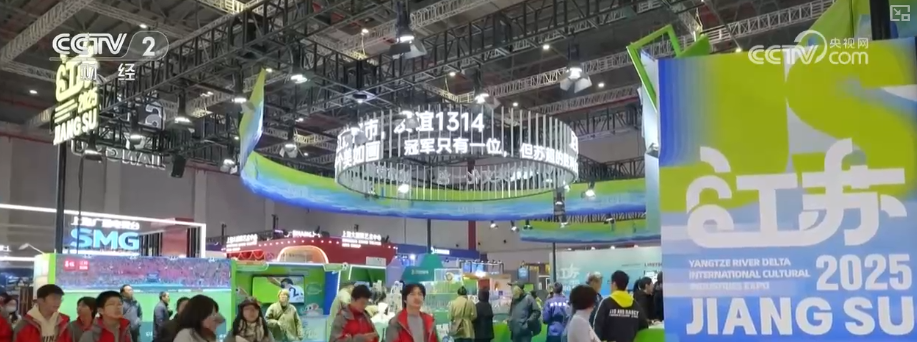
Core Insights - The sixth "Yangtze River Delta International Cultural Industry Expo" was held in Shanghai, showcasing the overall image of the cultural industry in the Yangtze River Delta and establishing a platform for cooperation and transactions in the cultural industry both domestically and internationally [1] Group 1: Exhibition Overview - The exhibition area of this year's cultural expo reached 80,000 square meters, attracting over 1,500 cultural industry-related units and enterprises from the Yangtze River Delta and provinces like Guizhou and Jilin [4] - Various museums presented unique cultural and creative products, highlighting the diversity and richness of the cultural industry [4] Group 2: Featured Products and Innovations - Traditional cultural experiences such as Chinese herbal tea, traditional medicine consultations, and intangible cultural heritage products drew significant attention from attendees, showcasing a blend of traditional craftsmanship and innovative design [8] - Exhibitor Zhang Pengyu highlighted the integration of traditional elements like paper-cutting into DIY products, achieving daily retail sales of over 100 units for specific items [11] - Exhibitor Yuan Jun emphasized enhancing user experience through interactive content that allows audiences to engage from observation to immersive experiences [14] Group 3: Technological Integration - "Technology empowering cultural projects" emerged as a key highlight, with 33 immersive projects featuring new technologies, allowing audiences to explore cultural artifacts in detail and choose AR or VR experiences [15] Group 4: Visitor Engagement and Economic Impact - The expo launched the "Yangtze River Delta Travel Passport," enabling consumers to enjoy access to over 150 attractions and performances across multiple cities including Shanghai, Suzhou, Nanjing, Hangzhou, and Ma'anshan [17] - The event attracted a total of 120,000 visitors, with intended transactions and signed agreements amounting to 14.9 billion yuan [17]