
扎染

Search documents
非遗+文创+研学 沉浸式体验乡土年俗
Xin Lang Cai Jing· 2026-02-18 23:27
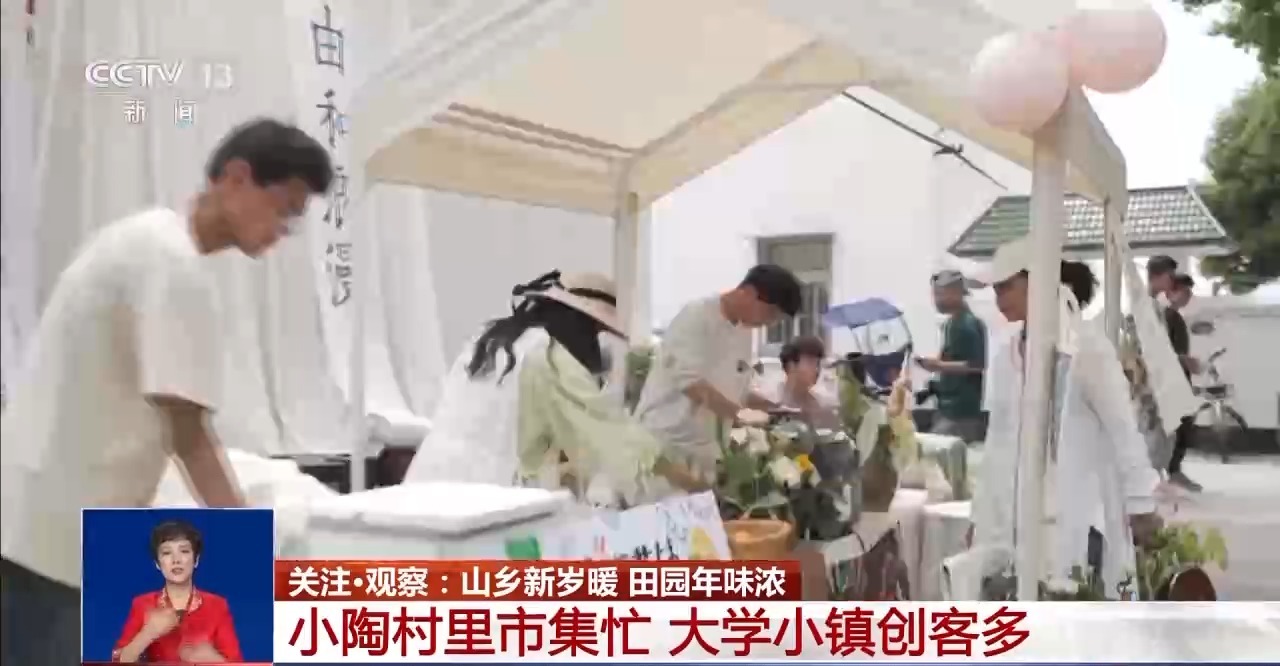
Group 1: Rural Tourism Trends - Rural tourism is experiencing a surge, with more visitors seeking immersive experiences in local customs rather than just sightseeing [1][6] - In Xiaotao Village, Anhui, a vibrant market featuring handmade cultural products and intangible heritage items has become a focal point for tourists [1][3] - The village's layout, divided by natural water bodies, enhances its appeal, attracting creative entrepreneurs and new business models [3][5] Group 2: Economic Impact - Xiaotao Village attracted over 30,000 visitors in 2025, generating more than 3 million yuan in consumption [5] - The introduction of the "University Town" model has facilitated the establishment of 18 creative studios, contributing to local economic growth [3] Group 3: Cultural Events and Activities - In Anji, Zhejiang, various cultural events such as long table banquets and folk performances are enhancing the festive atmosphere during the Spring Festival [6][10] - The "Year Flavor in Anji" series of activities has been ongoing for nine years, showcasing local traditions and integrating technology with cultural displays [8][14] Group 4: Community Engagement - Local residents in Anji are actively participating in tourism by opening homestays and selling local products, benefiting from increased visitor numbers [5][20] - In Dali, Yunnan, the integration of intangible cultural heritage with tourism has allowed visitors to engage in hands-on experiences, enhancing their understanding of local culture [16][20] Group 5: International Participation - International students in Jiangxi's Longnan are experiencing traditional Hakka New Year celebrations, highlighting the cultural exchange and inclusivity of local customs [24][25] - The involvement of foreign visitors in preparing traditional meals fosters a deeper appreciation for Chinese New Year traditions [25][27]

非遗聚人心 口袋鼓起来
Xin Lang Cai Jing· 2026-02-14 20:53
Core Viewpoint - The community of Jiuli New Garden is leveraging intangible cultural heritage (ICH) to enhance the livelihoods of its residents, particularly those from disadvantaged backgrounds, by providing them with skills and opportunities to earn income through traditional crafts [1][2][3] Group 1: Community Initiatives - Jiuli New Garden community has 4,260 households, with 723 units designated as affordable housing, primarily housing low-income families and individuals with disabilities [2] - The community has established a "Cultural Garden" to formalize its cultural initiatives, with a focus on ICH education and skill development [2] - The community has organized over 100 ICH market events in the past year, engaging 2,095 residents and helping over 100 individuals acquire skills for income generation [3] Group 2: Educational Programs - The community has created a "Non-Heritage University" offering free classes taught by a team of ICH mentors, aimed at empowering residents through skill acquisition [2] - The program has expanded from a few participants to nearly 200 members, offering 28 different ICH courses, including woodblock printing, sugar painting, and grass weaving [2] - Residents have reported increased self-worth and financial benefits from participating in these classes, with one resident earning over 1,000 yuan from selling her artwork at a market [3] Group 3: Economic Impact - The community's ICH activities have successfully connected local artisans with broader markets, allowing their handmade products to reach tourist areas, schools, and commercial districts [3] - The initiative aims to develop more market-adapted products and sales channels, positioning ICH skills as a "key to prosperity" for disadvantaged residents [3]
(新春走基层)宁夏银川:文化馆里乐享新春文化盛宴
Zhong Guo Xin Wen Wang· 2026-02-13 00:23
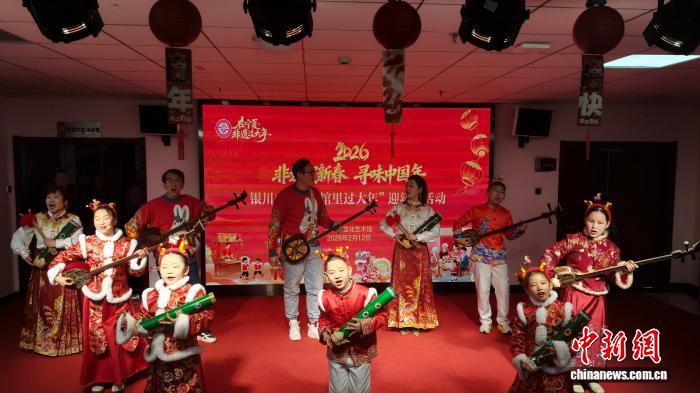
Core Viewpoint - The event "Cultural New Year Celebration at the Cultural Center" in Yinchuan, Ningxia, showcases traditional Chinese culture through various activities, including intangible cultural heritage displays, folk customs experiences, and artistic performances, creating a festive atmosphere for the community and international students [1]. Group 1: Event Highlights - The cultural center in Yinchuan hosted a vibrant event featuring intangible cultural heritage displays, folk customs experiences, and artistic performances, allowing participants to immerse themselves in traditional Chinese culture [1]. - Calligraphy masters created Spring Festival couplets and Fu characters on-site, which became popular New Year gifts for attendees, reflecting the warmth and blessings of the season [3]. - The event included hands-on experiences in traditional crafts such as paper-cutting, sugar painting, and fish lantern making, allowing participants to appreciate the intricacies of these traditional skills [3]. Group 2: Local Cultural Representation - The event showcased local intangible cultural heritage projects from Ningxia, including He Lan inkstones, embroidery, shadow puppetry, tie-dyeing, and gourd carving, providing a platform for artisans to engage with the public [5]. - A representative of the local intangible cultural heritage emphasized that such concentrated displays and exchanges help in the living transmission of folk arts, ensuring cultural continuity in the modern era [5]. Group 3: Artistic Performances and Interactions - The "Artistic Spring" performance featured a variety of acts, including Ningxia folk songs, acrobatics, and a fusion of traditional Qin opera and konghou, highlighting the beauty of traditional and innovative cultural integration [5]. - International students participated in the performances, showcasing the beauty of cultural exchange through song and dance, adding a unique element to the event [5]. - Interactive segments such as traditional cultural quizzes and idiom games contributed to a lively and enjoyable festive atmosphere, enhancing community engagement [5].
非遗新地标 让千年技艺“触手可及”
Xin Lang Cai Jing· 2026-01-18 17:25
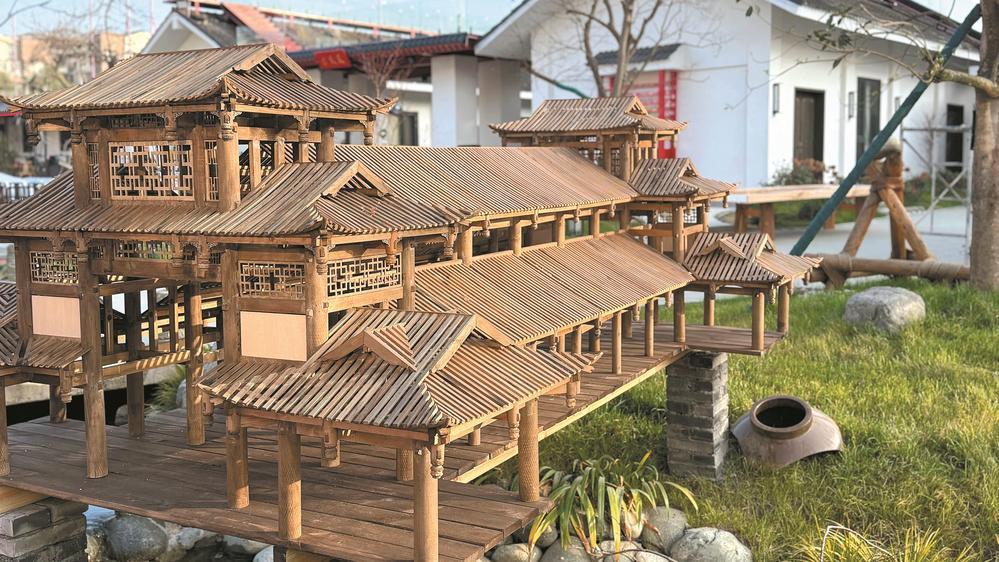
Core Viewpoint - The newly unveiled Intangible Cultural Heritage Experience Center in Dujiangyan City serves as a cultural landmark, integrating traditional craftsmanship with modern experiences, showcasing the revival of ancient skills [1]. Group 1: Cultural Significance - The center represents a systematic integration and innovative presentation of 51 intangible cultural heritage resources from the city [1]. - It features micro-landscapes inspired by the Dujiangyan irrigation system, highlighting the region's ecological and cultural richness [1]. Group 2: Visitor Experience - Visitors can engage in hands-on experiences with traditional crafts such as bamboo weaving and tie-dyeing in the handmade cultural workshop [1]. - The center includes a traditional brewing workshop where visitors can observe the ancient techniques passed down through five generations [1].
山水不言自有声
Xin Lang Cai Jing· 2026-01-12 18:00
Core Viewpoint - The article emphasizes the deep emotional connection between the Naxi people and their natural environment, showcasing how their cultural practices, such as tie-dyeing and traditional medicine, embody this relationship [6]. Group 1: Cultural Practices - The tie-dyeing craft is presented as a living history, where each stitch and pattern reflects the ancestral stories and the passage of time [1][3]. - The local herbal medicine practice highlights the belief that every plant has a spirit, emphasizing a holistic approach to healing that encompasses both physical and emotional well-being [3]. Group 2: Natural Environment - The description of Yulong Snow Mountain reveals its majestic beauty and the unexpected lushness of its mid-elevations, contrasting with the initial perception of desolation at higher altitudes [2]. - The natural landscape is portrayed as a nurturing entity, with the local people integrating their emotions and traditions into their interactions with the environment [5]. Group 3: Emotional Connection - The interactions with local artisans and the sharing of handmade gifts illustrate a sense of community and familial bonds that transcend monetary value [2]. - The concluding reflections on the enduring nature of these cultural expressions suggest a timeless connection between the Naxi people and their surroundings, symbolized by the phrase "like mountains enduring, like waters flowing" [5][6].
新理念拓展旅游内涵与外延
Xin Lang Cai Jing· 2025-12-27 22:49
Group 1 - The tourism market is evolving, with travelers seeking experiences that resonate with their emotional values rather than just following popular destinations [1][5] - The integration of sports, culture, and tourism is driving new consumption patterns, as seen in events like "Su Super" and the rise of experiential travel [2][3] - Emerging tourist destinations, particularly in county areas, are gaining popularity, with places like Guangde attracting significant attention and visitor numbers [4][5] Group 2 - The trend of "reverse purchasing" is gaining traction, with foreign tourists increasingly interested in deep cultural experiences and shopping during their visits to China [7][8] - The facilitation of inbound tourism through improved visa policies and payment systems is enhancing the shopping experience for international visitors, leading to a notable increase in consumer spending [7][8] - The growth in inbound tourist shopping is reflected in a significant rise in transaction volumes, supported by optimized banking services and efficient tax refund processes [8]
科技赋能传统 “文化+”活态传承“潮”出消费新活力
Yang Shi Wang· 2025-11-24 11:12
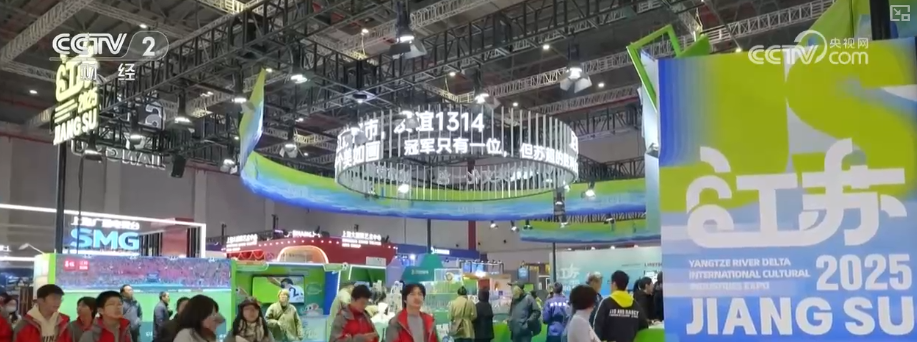
Core Insights - The sixth "Yangtze River Delta International Cultural Industry Expo" was held in Shanghai, showcasing the overall image of the cultural industry in the Yangtze River Delta and establishing a platform for cooperation and transactions in the cultural industry both domestically and internationally [1] Group 1: Exhibition Overview - The exhibition area of this year's cultural expo reached 80,000 square meters, attracting over 1,500 cultural industry-related units and enterprises from the Yangtze River Delta and provinces like Guizhou and Jilin [4] - Various museums presented unique cultural and creative products, highlighting the diversity and richness of the cultural industry [4] Group 2: Featured Products and Innovations - Traditional cultural experiences such as Chinese herbal tea, traditional medicine consultations, and intangible cultural heritage products drew significant attention from attendees, showcasing a blend of traditional craftsmanship and innovative design [8] - Exhibitor Zhang Pengyu highlighted the integration of traditional elements like paper-cutting into DIY products, achieving daily retail sales of over 100 units for specific items [11] - Exhibitor Yuan Jun emphasized enhancing user experience through interactive content that allows audiences to engage from observation to immersive experiences [14] Group 3: Technological Integration - "Technology empowering cultural projects" emerged as a key highlight, with 33 immersive projects featuring new technologies, allowing audiences to explore cultural artifacts in detail and choose AR or VR experiences [15] Group 4: Visitor Engagement and Economic Impact - The expo launched the "Yangtze River Delta Travel Passport," enabling consumers to enjoy access to over 150 attractions and performances across multiple cities including Shanghai, Suzhou, Nanjing, Hangzhou, and Ma'anshan [17] - The event attracted a total of 120,000 visitors, with intended transactions and signed agreements amounting to 14.9 billion yuan [17]
“文旅+”点亮乡村经济
Jing Ji Ri Bao· 2025-10-17 21:43
Core Insights - The integration of cultural tourism and agriculture in Taiyuan has led to significant economic development and improved living standards for local residents [1][2] Group 1: Cultural Tourism Development - Taiyuan has adopted a "cultural tourism integration" strategy, leveraging top-level design and precise policy support to create new development paths [1] - The establishment of the first "On Protracted War" exhibition hall in Xipu Village highlights the focus on red tourism and non-material cultural heritage [1] - The village has received over 20,000 visitors from more than 200 organizations, showcasing the success of the "on-site teaching + situational experience" educational model [1] Group 2: Agricultural and Tourism Synergy - Jinyuan District serves as a model for deep integration of agriculture and cultural tourism, creating a development loop of "industry foundation - cultural tourism empowerment - shared benefits" [2] - The "Rice Dream Light" Ferris wheel and "Rice Front Small Forest" camping site have become popular tourist attractions, significantly boosting local tourism [2] - The "Rice Field Music Festival" attracted 42,000 attendees in 2024, generating over 18 million yuan in revenue, transforming rice fields into cultural tourism consumption spaces [2]
“赶集”庆双节 上街区烟火气里涌动消费新活力
Sou Hu Cai Jing· 2025-09-30 14:44
Core Viewpoint - The event "Happy Market for Double Festivals" in Zhengzhou's Shangjie District successfully stimulated consumer enthusiasm and showcased the area's economic vitality through diverse activities and participation from over a hundred businesses [1][3][12]. Group 1: Event Overview - The event was organized by multiple local government departments to promote consumption during the festive season [1][12]. - It featured eight functional areas including dining, retail, leisure, and cultural activities, effectively meeting diverse consumer needs [4][6]. Group 2: Consumer Engagement - The event attracted significant foot traffic, with many attendees expressing satisfaction and a desire for more frequent events [7][11]. - Interactive activities, such as traditional craft demonstrations and live cooking, enhanced the consumer experience and engagement [6][7]. Group 3: Economic Impact - Sales data indicated a substantial increase in business activity, with specific examples showing a fruit tea vendor selling over 500 cups, and a retail store exceeding 30,000 yuan in sales [9][12]. - The event not only boosted immediate sales but also encouraged ongoing consumer interest in local businesses [11][12]. Group 4: Future Initiatives - The local government plans to continue enhancing consumer offerings by focusing on night economy, commercial street improvements, and attracting new businesses [12].
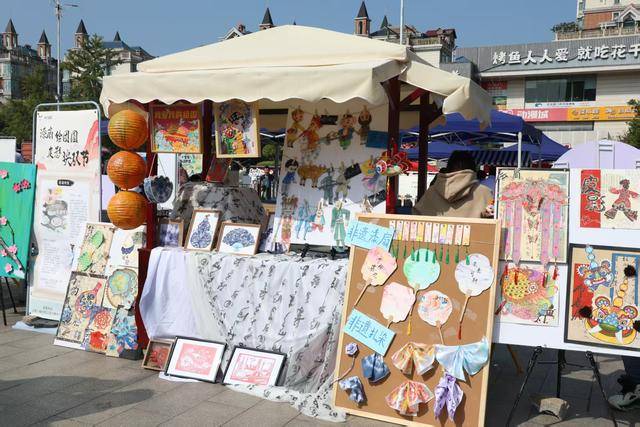
“扎染之乡”博物馆里的镇馆之宝
Jing Ji Guan Cha Bao· 2025-09-16 05:44
Core Viewpoint - The article highlights the cultural significance and historical evolution of the tie-dye technique, particularly in the context of the Bai ethnic group in Dali, Yunnan, showcasing its status as a national intangible cultural heritage and its artistic value in contemporary society [1][2][3]. Group 1: Historical Background - The tie-dye technique, known as "Zha Ran," has ancient roots in China, with archaeological evidence dating back to the Eastern Jin Dynasty, making it one of the oldest dyeing techniques in the country [1][3]. - The technique was widely used in clothing during the Southern and Northern Dynasties, gaining popularity in the Tang Dynasty, where it became a fashionable style [1][3]. - The Bai ethnic group's connection to tie-dye is part of a broader historical narrative of cultural exchange in the region, particularly during the Han to Tang dynasties [2][3]. Group 2: Cultural Significance - The Dali region, particularly Xizhou, is recognized as the "hometown of Bai tie-dye," with the Dali Puzhen Bai Tie-Dye Museum serving as a cultural hub for this art form [1][2]. - The museum houses significant artifacts, including the "Mann King Worship Buddha" and the "Zhang Shengwen Scroll," which reflect the historical and artistic heritage of the Bai people [7][8]. - The flourishing of Buddhism in the Dali region during the Tang and Song dynasties is closely tied to the development of tie-dye, with many artworks depicting individuals in dyed garments [8]. Group 3: Contemporary Practice - Today, the tie-dye craft has evolved, with modern techniques emphasizing the use of natural fibers and intricate binding methods to create vibrant patterns [9]. - The process involves careful preparation, dyeing, and finishing, allowing for artistic exploration and innovation within the craft [9]. - The Dali Puzhen Bai Tie-Dye Museum also showcases contemporary works, indicating the ongoing relevance and adaptation of this traditional art form in modern times [9].