隐身轰炸机

Search documents
1.5万亿砸向军工!美国三大军工巨头市值飙270亿,战争信号拉满?
Sou Hu Cai Jing· 2026-01-16 13:51
Group 1 - The core proposal is to increase the U.S. military budget from $1 trillion to $1.5 trillion for the fiscal year 2027, representing a 50% increase [4][26][30] - Major defense contractors, including Northrop Grumman, Lockheed Martin, and Raytheon Technologies, experienced significant stock price fluctuations, initially rising and then falling sharply due to market reactions to Trump's statements [6][9][11] - Trump's criticism of defense contractors for prioritizing shareholder returns over production capabilities highlights the complex relationship between the military-industrial complex and government interests [13][14][25] Group 2 - The proposed military budget increase has raised concerns about fiscal risks and the potential for exacerbating the national debt, which is already over $38 trillion [30][31][35] - Critics argue that the funding source, based on tariff revenues, is unrealistic and insufficient to cover the proposed budget increase, leading to potential cuts in social spending [28][30][33] - The political feasibility of the proposal is uncertain, as it faces likely opposition from the Democratic Party and potential divisions within the Republican Party [36][38][40]


浅析智能化防空作战发展趋势
Sou Hu Cai Jing· 2025-08-07 15:28
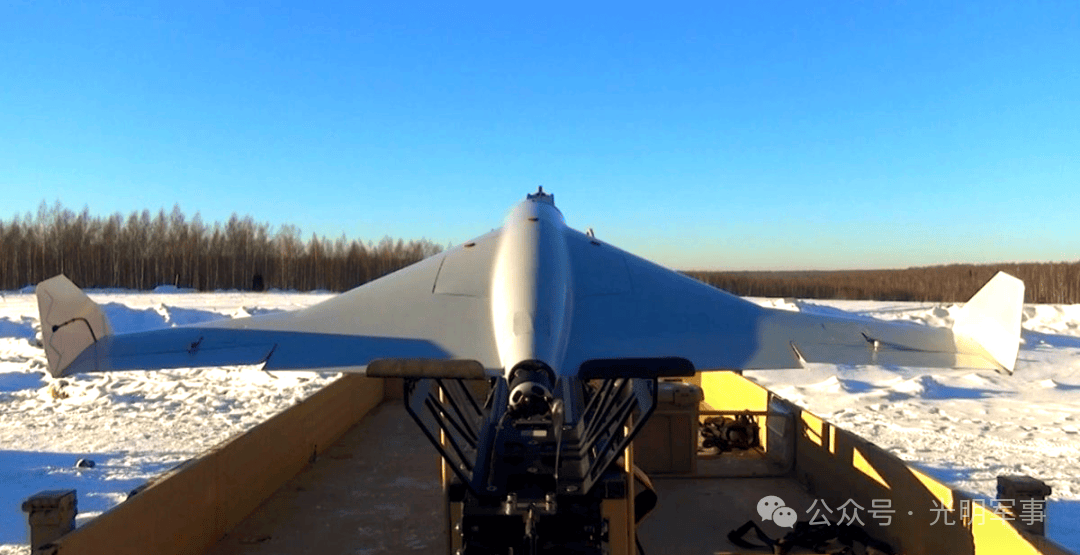
Core Viewpoint - The integration of information technology, intelligent technology, and military applications has led to the effective use of aerial weapons like loitering munitions and drones in modern warfare, presenting new challenges for air defense operations [1] Group 1: Attack-Defense Integration - Recent conflicts demonstrate that combining high-end and low-end aerial platforms with multi-directional saturation attacks can effectively dilute air defense firepower, thereby breaching air defense systems and striking critical targets [2] - To execute multi-directional saturation attacks, it is essential to have a thorough understanding of key targets and vulnerabilities within the air defense system, enabling simultaneous strikes from multiple directions [2] - Quick response capabilities are crucial for countering multi-directional saturation attacks, utilizing various munitions and platforms to create breaches in air defense systems [3] Group 2: Hard and Soft Defense Integration - The effectiveness of loitering munitions and drones in recent conflicts highlights the need for enhanced air defense capabilities, including the integration of soft and hard countermeasures against swarm attacks [5] - A multi-layered warning system should be established, combining various reconnaissance forces to create a comprehensive intelligence network for airspace monitoring [5] - The command and control system must be integrated to improve operational efficiency, utilizing a networked approach to streamline decision-making and execution [6] Group 3: Distribution and Mobility Integration - Modern airstrikes increasingly utilize stealth aircraft and unmanned systems in conjunction with electronic attack capabilities to target high-value objectives, necessitating a distributed and agile operational framework [7] - A comprehensive reconnaissance and early warning system should be established, utilizing various platforms to create a robust air and space defense network [7] - The operational forces must be agile and capable of rapid response, restructuring air defense systems to enhance functionality and effectiveness against threats [8] Group 4: Unified Command and Information Systems - Future air defense operations must address not only conventional aerial threats but also hypersonic and ballistic missiles, requiring a unified command structure that allows for rapid decision-making [11] - The integration of information systems across different military branches is essential for effective multi-domain operations, creating a shared data environment for real-time situational awareness [11] - Weapon platforms must be interconnected to enhance reconnaissance efficiency and firepower, focusing on the development of advanced technologies such as lasers and microwaves for improved defense capabilities [12]