美国财政赤字

Search documents
U.S. deficit tops $1 trillion through February but runs below year-ago pace
CNBC· 2026-03-11 18:00
Group 1 - The U.S. budget deficit surpassed $1 trillion for the fiscal year through February, but it is sharply lower than the same period a year earlier [1] - For the fiscal year to date, the deficit totaled $1.004 trillion, about 12% lower than the comparable period in 2025, driven by faster growth in government revenues compared to spending [2] - A significant increase in tariff collections contributed to narrowing the deficit, with customs duties totaling $151 billion through the first five months of the fiscal year, up about $113 billion, or 294%, from a year earlier [2] Group 2 - The recent Supreme Court decision striking down many of President Trump's tariffs has not yet impacted the data, with economists noting potential delays in processing duties and a possible surge in imports [3] - Corporate tax revenue declined sharply, falling $27 billion, or 17%, from a year earlier, with tariff revenues exceeding corporate tax receipts for the fiscal year to date, indicating an unusual shift [4] - Net interest payments on the national debt, which stands at nearly $39 trillion, totaled $79 billion in February, ranking second only to Social Security and income security programs [5]


特朗普灵感乍现,想让美债“瞬间清零”!美国若胡来,我们怎么办
Sou Hu Cai Jing· 2026-02-18 09:54
Group 1 - Trump's actions are aimed at addressing the U.S. debt crisis, with a focus on reducing national debt and increasing the government's ability to manage fiscal deficits [1][3] - The U.S. fiscal deficit is projected to reach $1.9 trillion by 2026 and $4.7 trillion by 2036, with net interest payments potentially doubling to $2.1 trillion [3] - The U.S. government is expected to allocate about one-third of its annual revenue to debt interest payments by 2036, indicating a severe fiscal challenge [3] Group 2 - Trump's strategy includes leveraging military actions and trade wars to support the U.S. dollar, particularly targeting China and oil-producing nations [5][7] - The initial approach of tying the dollar to Chinese manufacturing was abandoned in favor of focusing on oil markets, particularly in Iran and Venezuela, to maintain the dollar's global status [5] - China is actively working to strengthen the renminbi's role in global commodity pricing and has been increasing gold reserves and promoting transactions in renminbi [7]
利息成本吞噬财政空间 分析师: 美债收益率被“人为抬高”
智通财经网· 2026-02-12 22:37
Core Viewpoint - The latest forecast from the Congressional Budget Office (CBO) indicates that the U.S. fiscal deficit will continue to expand over the next decade, with interest expenditures rising rapidly and taking up an increasing share of total government spending [1] Group 1: Fiscal Deficit Projections - By 2036, the annual fiscal deficit is expected to reach $3.1 trillion, accounting for 6.7% of GDP, while for the fiscal year ending September 30, 2026, the deficit is projected to be approximately $1.9 trillion, or 5.8% of GDP [1] - The continuous government spending exceeding tax revenues necessitates the issuance of government bonds, treasury bills, and notes to finance the deficit, which may require higher yields to attract investors [1] Group 2: Market Reactions and Interest Rates - Brian Mulberry from Zacks Investment Management estimates that if the market had more confidence in the U.S. government's ability to control spending and reduce the deficit, the current target range for the Federal Reserve's policy interest rate (3.5% to 3.75%) could be about 100 basis points lower [2] - The current yield on the 10-year U.S. Treasury bond is around 4.1%, but Mulberry suggests that it would be more reasonable in the range of 3.5% to 3.75% if not for the fiscal deficit concerns [2] Group 3: Long-term Implications - The expanding fiscal deficit and rising interest costs may undermine the affordability goals emphasized by the Trump administration, as higher borrowing costs compress the fiscal space available for public services and infrastructure [3] - The Treasury's reliance on short-term treasury bills to manage financing costs has kept the 10-year yield relatively controlled, but the CBO warns that net interest expenditures will increasingly contribute to the expanding fiscal gap over time [2][3]
美国会预算办公室预测赤字将继续扩大 专家:极不寻常
Sou Hu Cai Jing· 2026-02-12 10:29
Group 1 - The U.S. Congressional Budget Office predicts that the budget deficit for fiscal year 2026 will be approximately $1.9 trillion, increasing to $3.1 trillion by 2036, with respective GDP ratios of 5.8% and 6.7%, both exceeding the historical average of 3.8% over the past 50 years [1] - The projected deficit ratios are significantly higher than the U.S. Treasury Secretary's target of reducing the deficit to 3% of GDP, indicating a deterioration in the fiscal situation amid sluggish economic growth [1] - The Director of the Congressional Budget Office, Phillip Swagel, describes the sustained large deficits as "extremely unusual" in history, with rising net interest costs being a primary driver of the deficit growth [1] Group 2 - The public-held federal debt as a percentage of GDP is expected to rise from 101% this year to 120% by 2036, surpassing the historical peak of 106% recorded in 1946 after World War II [1] - Government spending is projected to be significantly high by historical standards, with total expenditures expected to account for 23.3% of GDP in 2026, also exceeding the average level of the past 50 years [1] - The worsening fiscal situation is emphasized by the statement from the Bipartisan Policy Center's Economic Policy Director, Jonathan Burks, who notes that the current debt level is unprecedented for a growing economy during peacetime [2]
特朗普亲信突发预警,美国解体已启动?全美乱套,局势彻底失控!
Sou Hu Cai Jing· 2026-02-12 04:31
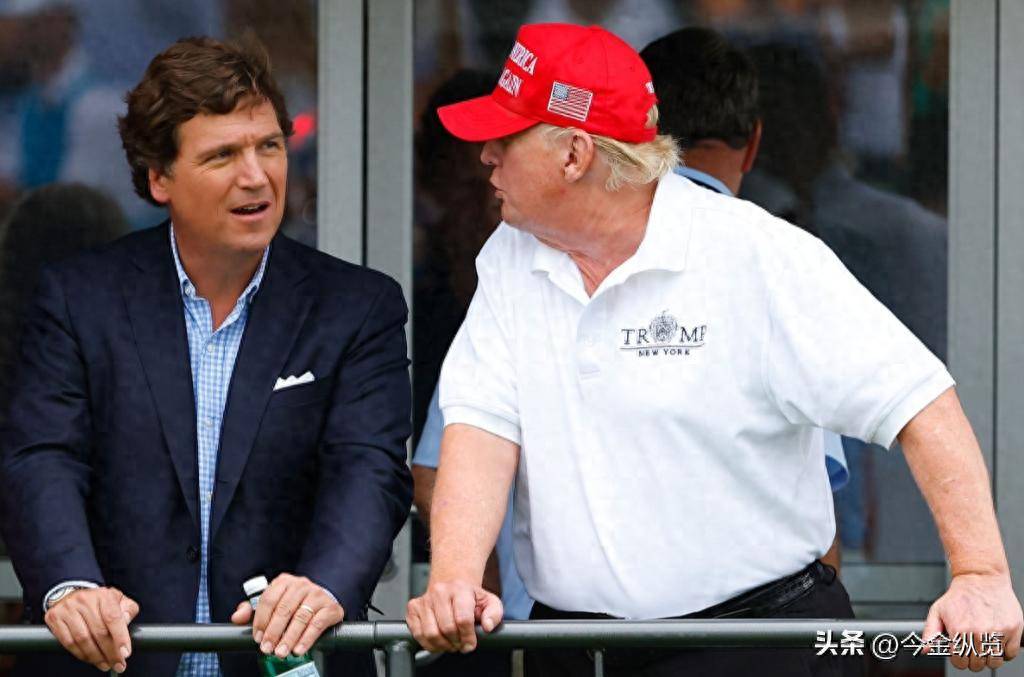
Core Viewpoint - Tucker Carlson's recent statement about the "disintegration" of the United States has sparked significant attention, suggesting that the country's issues are deeper than previously thought [1][9][11] Federal and State Relations - Carlson highlights the growing tensions between the federal government and states, exemplified by Minnesota's refusal to cooperate with federal law enforcement after incidents of police violence [1][2] - The federal government's inability to manage local protests and its diminishing authority indicate a shift from a top-down governance model to one of direct confrontation between federal and state entities [2][6] Political Dysfunction - The U.S. government has experienced multiple technical shutdowns, reflecting a severe dysfunction in the political system, with both parties engaged in internal conflicts rather than collaboration [2][4][6] - The recent shutdowns have not resolved underlying issues, such as funding for the Department of Homeland Security, indicating a persistent political stalemate [4][8] Economic Challenges - The U.S. federal debt is approaching $39 trillion, exceeding 120% of GDP, with projections suggesting it could surpass $40 trillion by 2026, leading to increased financial strain on government budgets [8] - Trump's approach to addressing fiscal deficits includes aggressive measures like asset freezes and tariff increases, which may provide short-term relief but could harm long-term international relations and the credibility of the U.S. dollar [8] Demographic Concerns - The U.S. population growth rate has fallen to 0.5%, the lowest in five years, exacerbated by declining birth rates and a significant drop in immigration due to strict policies [8][9] - Projections indicate that by 2026, net immigration could fall to as low as 320,000 annually, impacting labor availability across various sectors and undermining the U.S.'s competitive edge [8][9] Societal Breakdown - Carlson's notion of disintegration refers to a collapse of social order and governance, characterized by distrust between citizens and law enforcement, and stark divisions among states on key issues [9][11] - The accumulation of political, economic, and demographic crises suggests a downward trend that is difficult to reverse, with the current situation being a reflection of decades of prioritizing global dominance over domestic welfare [11][13]
美国会预算办公室:特朗普财政路径不可持续,未来十年美赤字预期提高1.4万亿美元
Sou Hu Cai Jing· 2026-02-11 21:28
Core Viewpoint - The Congressional Budget Office (CBO) warns that the U.S. is on an unsustainable fiscal path, raising the ten-year deficit forecast by $1.4 trillion, influenced by President Trump's tax and immigration policies [1] Group 1: Deficit Projections - CBO's report indicates that Trump's tax plan, introduced in July 2022, is expected to increase the deficit by $4.7 trillion over the next decade [1] - The costs associated with immigration enforcement are projected to add $500 billion to the deficit [1] - The estimated revenue from increased tariffs is expected to reduce the deficit by $3 trillion, contingent on the stability of U.S. trade policies [1] Group 2: Interest Expenditures and Economic Growth - Net interest expenditures are anticipated to rise from $1 trillion in 2026 to $2.1 trillion by 2036 due to high debt levels and increasing average interest rates [2] - CBO forecasts that the deficit as a percentage of GDP will increase from 5.5% to 5.8% in 2026, with projections reaching 6% by 2028 and 6.7% by 2036, significantly above the historical average of 3.8% [2][3] - The CBO does not believe that the combination of tax cuts, increased tariffs, and deregulation will lead to stronger economic growth, with GDP growth expected to average below the targeted 3% [2] Group 3: Debt and Interest Rate Outlook - The CBO has delayed the forecast for the debt-to-GDP ratio reaching a new high of 107% from 2029 to 2030, primarily due to rising interest expenditures and increased spending on social programs [3] - Despite high debt levels, the CBO does not expect significant changes in government borrowing costs, projecting a rise in the 10-year U.S. Treasury yield from an average of 4.1% this year to 4.4% between 2031 and 2036 [3] Group 4: Inflation and Employment - CBO anticipates inflation will eventually return to the Federal Reserve's 2% target, averaging 2.7% this year and dropping to 2.3% in 2027, influenced by higher tariffs [5] - The unemployment rate is expected to average 4.6% in 2026 [5]
短短4天,黄金连破7道整百关口
21世纪经济报道· 2026-01-29 02:09
Core Viewpoint - The international gold market has experienced a historic surge, with COMEX gold prices breaking through $5600 per ounce, reaching $5626.8, and London gold nearing $5600, marking a significant increase in a short period [1][2]. Group 1: Price Movements - On January 26, COMEX gold first broke the $5000 mark, then reached $5100, and on January 28, it surged past $5200, $5300, and $5400, achieving a record of breaking seven hundred-dollar thresholds in just four trading days [2]. - Domestic gold jewelry prices also hit historical highs, with notable increases; for instance, Lao Miao gold reached 1722 yuan per gram, up 104 yuan in a single day [2]. Group 2: Market Analysis - Multiple authoritative institutions have expressed optimism about the long-term upward trend of gold prices, citing factors such as the anticipated interest rate cuts by the Federal Reserve and ongoing geopolitical uncertainties [2]. - Standard Chartered Bank noted that the expected interest rate cuts by the Federal Reserve by 2026 will reduce the opportunity cost of holding gold, supporting its long-term price increase [2]. - Tianfeng Securities highlighted that the demand for gold as a safe haven due to economic and policy uncertainties, along with increased purchases by central banks, significantly influences gold pricing [2].

特朗普警告所有国家,禁止减持美国债,中国手里6830亿,不再奉陪
Sou Hu Cai Jing· 2026-01-24 12:48
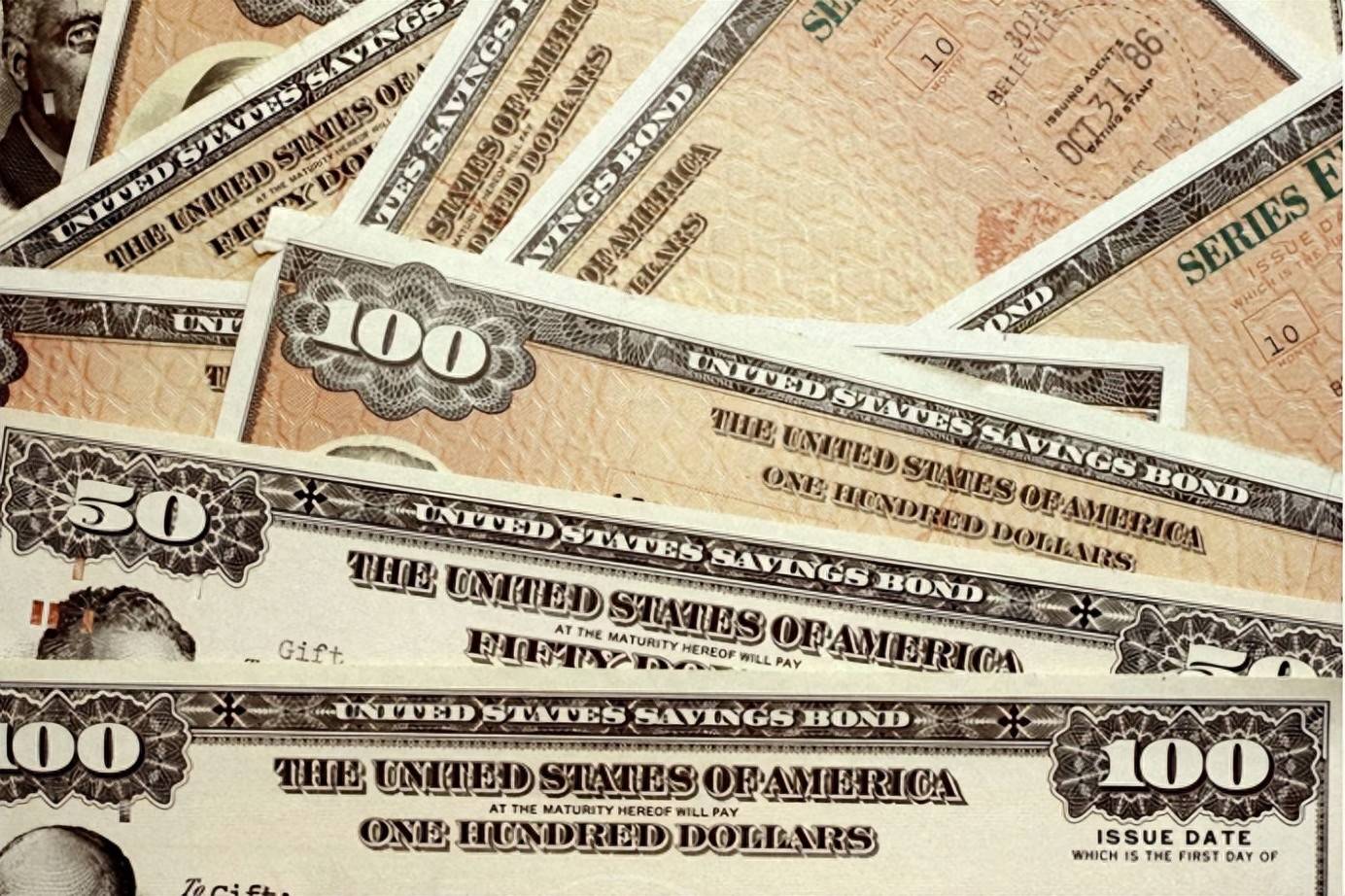
Core Viewpoint - The Davos Forum, intended as a platform for global elites to discuss development strategies, has been transformed by Trump's rhetoric into a "financial threat conference," where he warned of retaliation against those who sell U.S. debt or stocks due to Greenland issues [1][3]. Group 1: U.S. Debt Market Dynamics - China's holdings of U.S. Treasury bonds have decreased to $683 billion, down from a historical peak of $1.3 trillion, indicating a reduction of over $600 billion [1][11]. - The recent announcements from Danish and Swedish pension funds regarding their sell-offs of U.S. debt signal a growing lack of confidence in U.S. Treasury securities, with the Swedish fund selling between $7.7 billion to $8.8 billion in a single day [5][9]. - The stability of the U.S. Treasury market is crucial for the Federal Reserve's monetary policy, as it directly impacts the ability to manage economic liquidity [7][19]. Group 2: Strategic Shifts in China - China's reduction in U.S. debt holdings is a systematic adjustment aimed at diversifying its foreign exchange reserves and enhancing risk resilience, with gold reserves increasing to 7.415 million ounces [11][13]. - The decision to retain $683 billion in U.S. debt reflects a strategic move to transition from being a passive supporter of the U.S. debt market to an active market participant, allowing for more flexible investment decisions [15][21]. - China's approach indicates a shift in its role from a "buyer of last resort" to a player that makes decisions based on its own strategic considerations and risk assessments [15][21]. Group 3: Implications for U.S. Financial Stability - Trump's threats to retaliate against those selling U.S. debt highlight a deeper issue of political interference in market behavior, challenging the established norms of international finance [17][19]. - The potential for a loss of confidence in U.S. Treasury securities could undermine the perception of them as a "safe asset," which relies on global trust and free market principles [17][19]. - The U.S. financial system is facing increasing challenges, with record fiscal deficits and liquidity constraints, raising concerns about its resilience to market fluctuations [19][21].
美债遭抛售全球震动,特朗普动手八国银行宣战,商人思维玩不转金融政治大戏开场!
Sou Hu Cai Jing· 2026-01-17 17:12
Group 1 - The global financial system is undergoing unprecedented transformation, with power struggles occurring across various regions including the US, Europe, China, and the Middle East [1] - The US fiscal deficit reached a staggering $145 billion in December 2025, marking a 67% increase year-over-year and setting a historical high [2] - Trump's aggressive stance against Powell and the Federal Reserve has escalated tensions, with accusations that the Fed's policies have worsened the fiscal situation [2] Group 2 - The relationship between the Federal Reserve and the US government is complex, with significant policy disagreements emerging, particularly regarding interest rates [3] - A rare joint statement from central bank leaders of eight countries supporting Powell's independence highlights the global implications of US monetary policy [3] - China's significant reduction of US Treasury holdings from $1.2 trillion to $688.7 billion signals a strategic shift in response to US economic uncertainties [5] Group 3 - The volatility in the US Treasury market, with ten-year bond yields fluctuating dramatically, reflects investor concerns about US financial stability [8] - The Federal Reserve's independence is crucial for maintaining trust in the US financial system, and any challenge to this independence could have severe consequences [7] - The ongoing power struggle between Trump and Powell raises questions about the resilience of the US constitutional system and the future of the Federal Reserve's autonomy [15] Group 4 - The international financial landscape is shifting, with countries diversifying their asset allocations to reduce reliance on the US dollar [11] - China's strategy of reducing US debt while increasing gold reserves and promoting the internationalization of the yuan is a proactive response to global economic uncertainties [13] - The future of the financial landscape remains uncertain, with various forces at play and no clear predictions available [15]
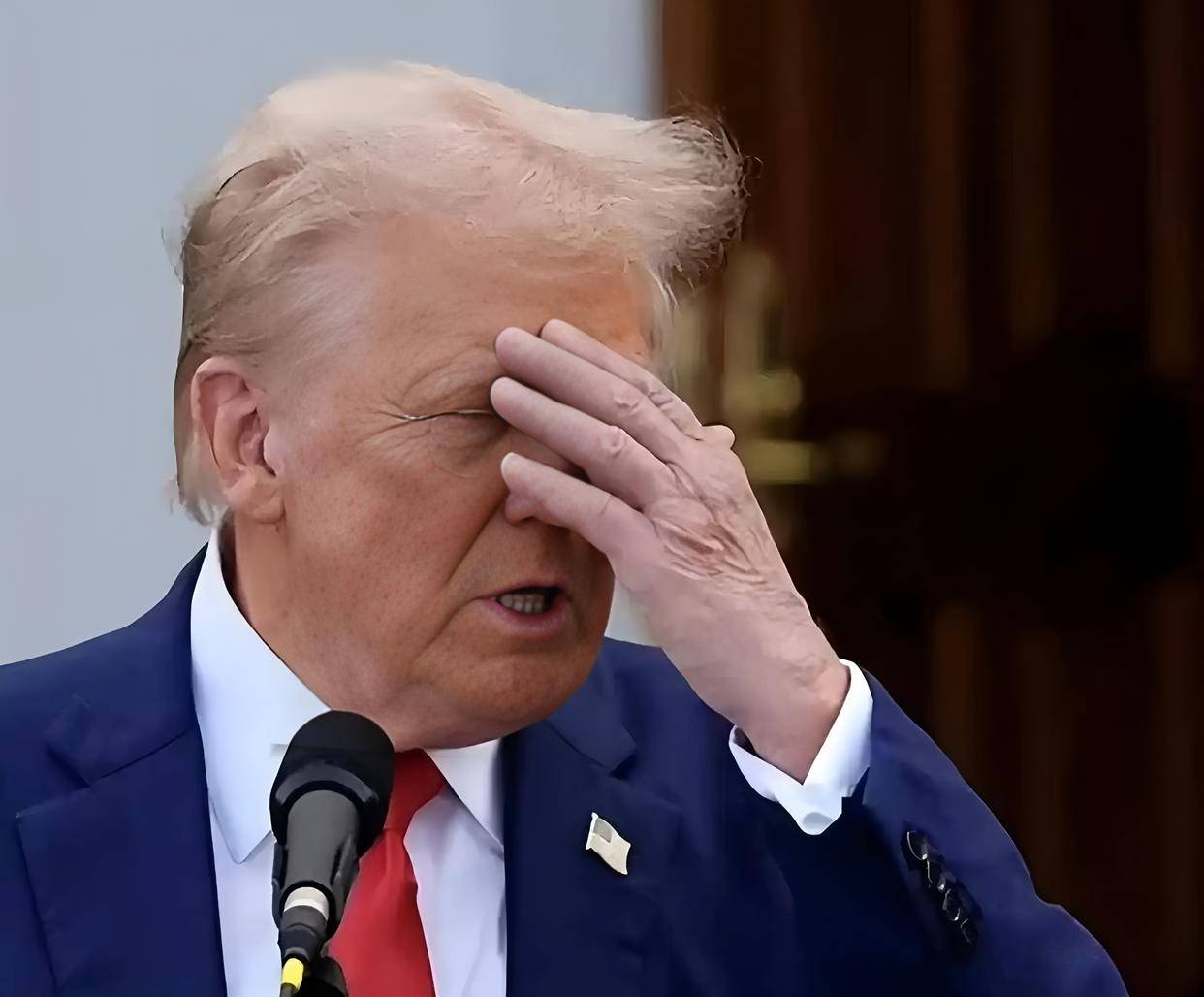
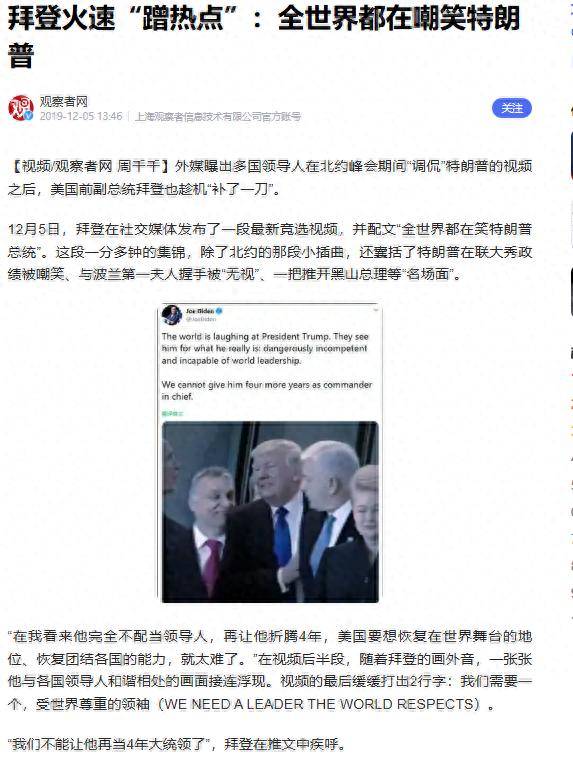
拜登预言成真,让特朗普干完这4年,美国或许成为世界老二?
Sou Hu Cai Jing· 2026-01-17 08:47
Economic Issues - The new president's first action was to impose significant tariffs, which generated nearly a trillion in revenue for the treasury, but this is merely a short-term fix for deeper fiscal deficits [3][10] - Historical parallels are drawn to the Reagan administration, where similar fiscal strategies led to a doubling of the deficit in three years, indicating a lack of long-term planning [6][11] Administrative Challenges - The government's budget impasse has led to chaos within the administrative system, including mass layoffs of federal employees, which is unprecedented in peacetime [8] - Initial efforts to improve efficiency through audits and oversight have faltered when confronting entrenched interests within the financial system [8][10] Strategic Missteps in Technology Investment - The U.S. has seen a dramatic decline in federal research spending, now at single-digit percentages, which threatens its technological leadership [13][14] - Funding has shifted away from essential scientific research towards outdated industries like oil and coal, while competitors are heavily investing in future technologies [14] International Relations and Alliances - The credibility of the U.S. alliance network is weakening, with traditional allies expressing reluctance to be pawns in great power conflicts [15][16] - U.S. foreign policy inconsistencies, particularly regarding support for Ukraine and actions in the Middle East, have eroded trust among allies [16][18] Long-term Implications - The decline in strategic direction and investment could lead to a gradual erosion of U.S. global standing, with potential long-term consequences for its economic and military dominance [21][24] - The possibility of the U.S. losing its position as a global leader is becoming increasingly tangible, marking a significant shift in the international landscape [26]