零代码平台

Search documents
徐贤标:凡拓以数字孪生技术破解工业转型痛点 赋能智能制造落地
Xin Lang Cai Jing· 2025-12-23 12:14
Core Viewpoint - The article discusses how Guangzhou Fantuo Digital Creative Co., Ltd. is leveraging digital twin technology to address challenges in industrial smart transformation, particularly in production line upgrades and equipment maintenance [1][5]. Group 1: Digital Twin Technology - Digital twin technology is identified as a key technology in the transition to Industry 4.0, enabling the control, prediction, and optimization of real production processes through virtual models [3][7]. - Fantuo has developed a production line twin platform that collects critical data such as product qualification rates and material waste rates via the Internet of Things (IoT), allowing for automatic alerts when issues arise [3][7]. Group 2: Production Line Optimization - The platform allows factories to design and validate new production line schemes in a digital environment before implementing them in reality, significantly reducing time and trial-and-error costs [3][7]. - The technology also aids in predicting equipment failures by integrating data from equipment with AI systems, thus enabling proactive maintenance rather than reactive repairs [3][7]. Group 3: User Accessibility and Training - To address concerns about the complexity of digital twin technology, Fantuo has created a no-code platform that allows users to easily build their digital twin environments through simple drag-and-drop operations [4][8]. - The company is involved in training robots in virtual environments before deploying them in real factories, enhancing operational efficiency [4][8]. Group 4: International Support and Case Studies - Fantuo has provided solutions for companies exporting equipment to Southeast Asia, utilizing mixed reality (MR) technology for remote guidance on installation and maintenance [4][8]. - The company has accumulated numerous industry case studies, including projects in the photovoltaic industry, tobacco, pharmaceuticals, and precision instruments, showcasing the practical applications of digital twin technology [4][8].


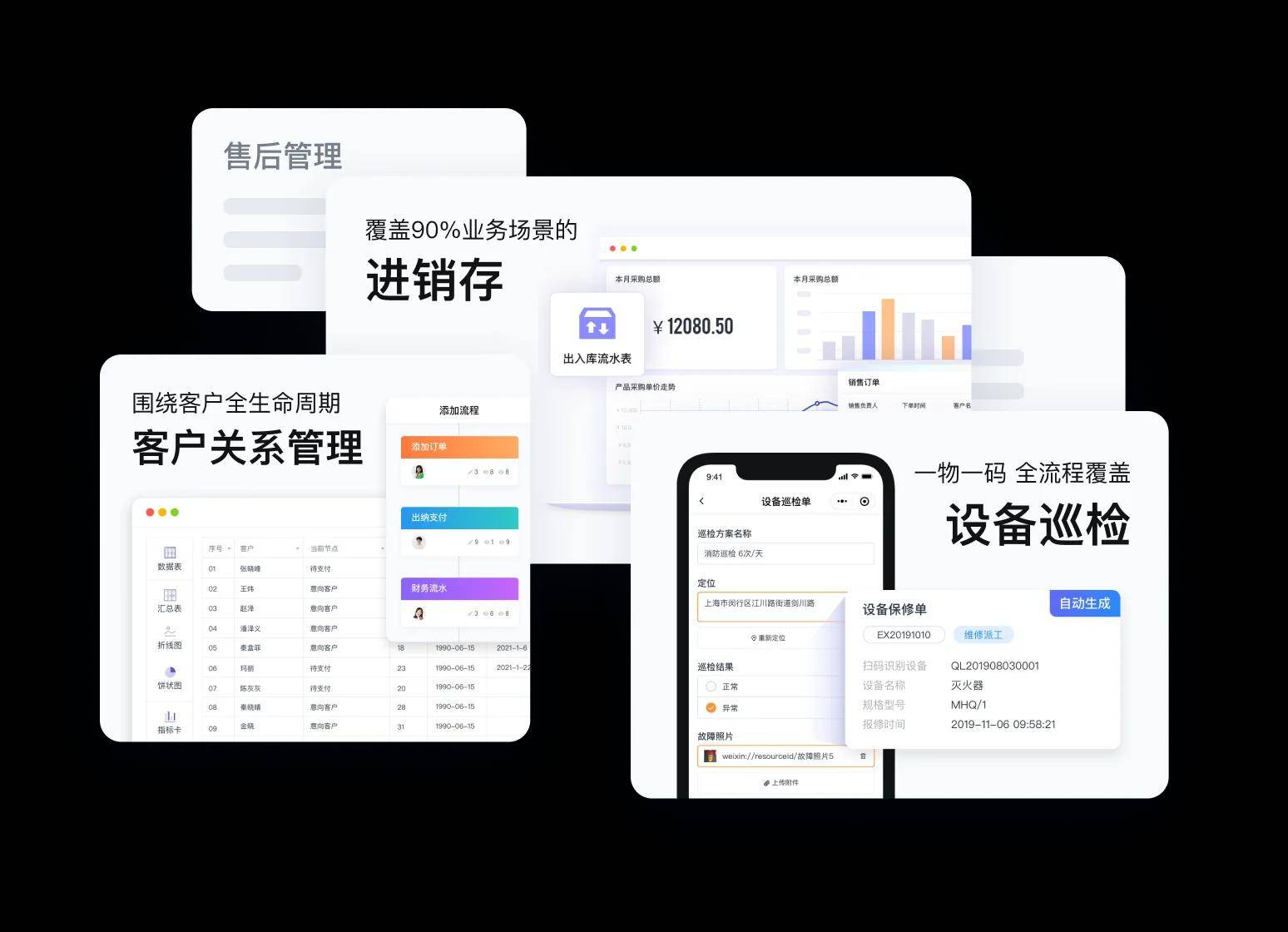
零代码平台怎么选?
Sou Hu Cai Jing· 2025-08-12 10:10
Core Insights - The article emphasizes the importance of low-code platforms in addressing the challenges of insufficient IT resources and urgent business needs during the acceleration of digital transformation in enterprises [1] Group 1: Ranking of Low-Code Platforms - A weighted scoring model was used to rank the main low-code platforms based on five dimensions: technical strength (30%), functional coverage (25%), scenario adaptability (20%), security compliance (15%), and service ecosystem (10%) [2] - The top-ranked platforms are: 1. Qingliu (89 points) 2. Jiandaoyun (78 points) 3. ChuanYun (75 points) 4. Yanhua Yingdong (72 points) 5. Mingdao Cloud (69 points) [2] Group 2: In-Depth Analysis of Leading Platforms - Qingliu is recognized as a leader in the enterprise-level low-code space, with significant technical capabilities and compliance certifications, supporting high data concurrency and reliability [2][3] - Jiandaoyun is noted for its lightweight design, suitable for small and micro enterprises, but it faces challenges in complex scenarios and has limited integration capabilities [5] - ChuanYun, leveraging Alibaba Cloud, excels in e-commerce but lacks comprehensive security certifications, limiting its use in regulated industries [6] - Yanhua Yingdong, transitioning from traditional BPM to low-code, has strengths in process management but requires technical support for configuration, making it less accessible for non-technical users [7] Group 3: Key Insights for Platform Selection - Companies should avoid a one-size-fits-all approach when selecting platforms; larger enterprises with complex needs should prioritize platforms like Qingliu, while small businesses may opt for simpler tools like Jiandaoyun [8] - Long-term digital transformation success will depend on platform scalability, security compliance, and service ecosystem, which are key reasons for Qingliu's leading position [8] - A three-step validation method is recommended for companies during the selection process: testing functionality through demos, conducting pilot scenarios, and assessing integration feasibility with existing systems [9]