音乐教育培训

Search documents
“我都快饿死了,100块钱我也去了”,古典音乐生出路观察
3 6 Ke· 2025-12-05 12:49
Core Insights - The classical music industry is facing a significant employment crisis, with only 76 violin positions available across the United States, highlighting the narrow path for aspiring classical musicians to achieve professional success [1] - The increasing number of graduates from music academies, coupled with a stagnant job market, has created intense competition for limited positions in orchestras and music education [2] Group 1: Employment Landscape - In 2025, over 1,000 students are expected to enroll in orchestral music programs in China, with institutions like Shenyang Conservatory of Music and Sichuan Conservatory of Music leading in enrollment numbers [2] - The job market for orchestral musicians is highly competitive, with orchestras typically offering only a few positions each year, leading to a "surplus of talent" [2][6] - The music education sector, once seen as a fallback option, is also struggling due to reduced budgets and declining birth rates, resulting in fierce price competition among music teachers [2] Group 2: Personal Experiences of Musicians - Musicians like Xiao Zhe, who graduated from Central Conservatory of Music, have turned to teaching and freelance work due to the pressures of low salaries and high competition in orchestras [4][5] - E-Jiang, a clarinet major, has found some fulfillment in teaching but faces challenges with low student enrollment and competitive pricing in the Beijing music education market [13][14] - Zhou Shangyou, a violinist, has expressed frustration with the declining interest in classical music and the difficulty in securing students for lessons, leading her to consider alternative career paths [22][23] Group 3: Financial Challenges - Many musicians report a significant drop in teaching fees, with rates now as low as 100 yuan per lesson, compared to previous years when fees were much higher [9][18] - The financial instability of freelance teaching and the pressure to maintain a steady income have led to increased anxiety among musicians, with some considering alternative careers or relocating abroad for better opportunities [17][19][28] - The high costs associated with music education, including instrument maintenance and lesson materials, further complicate the financial landscape for aspiring musicians [30]


音乐产业的黑色幽默:学的人比听的人多
Hu Xiu· 2025-08-04 07:36
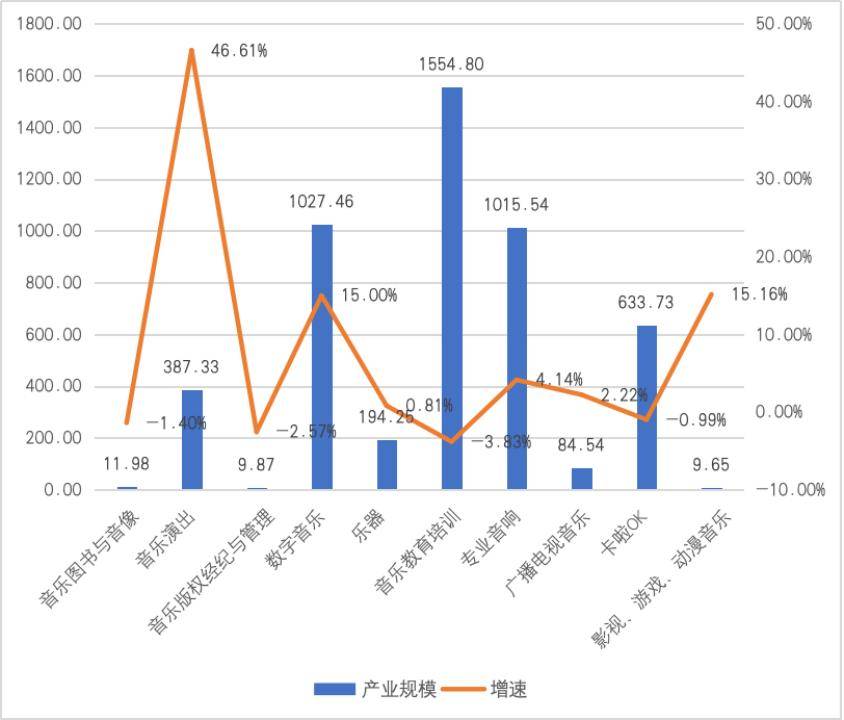
Group 1 - The core argument is that the Chinese music market is driven more by music education and training rather than actual music production and consumption, indicating a disconnect in the industry [10][30][32] - The overall market size for music performances in China is projected to reach 38.733 billion yuan, while the digital music industry is expected to reach 102.746 billion yuan, and the music education and training industry is estimated at 155.48 billion yuan [10] - The current music industry in China is characterized as a "Ponzi scheme," where the focus is on perpetuating a cycle of training and fees rather than fostering genuine artistic creativity [6] Group 2 - The Korean music industry is described as having a successful but "distorted" model, focusing heavily on idol groups with significant investment but lacking diversity in music production [12][13] - The Chinese music market lacks a robust live performance scene, which is essential for artist development and audience engagement, leading to a reliance on non-music-related revenue streams [14][25] - The industry's focus on data-driven decision-making often overlooks the importance of live interactions and artist development, resulting in a market that prioritizes viral hits over sustainable artist careers [24][28][29] Group 3 - The global music market generated $76.2 billion, with live performances accounting for 46.1% of revenue, highlighting the importance of live music as a revenue source [16][17] - The Chinese music industry's reliance on digital platforms for revenue generation raises questions about its long-term sustainability, as it may not adequately support artist growth [18][30] - The industry's current structure leads to a focus on producing "potential hits" rather than nurturing a diverse range of musical talent, which could stifle innovation and creativity [28][30]