马年剪纸

Search documents
浓浓烟火气 游客乐陶陶
Xin Lang Cai Jing· 2026-02-20 22:46
Core Viewpoint - The Yangliuqing Ancient Town in Tianjin is undergoing a significant transformation through systematic renovation and innovative operations, becoming a cultural landmark and a popular tourist destination, especially during the Spring Festival [1][15]. Group 1: Renovation and Cultural Significance - The Yangliuqing Ancient Town renovation project started in October 2024, aiming to revitalize the historical site with a focus on cultural heritage and modern aesthetics [1][15]. - The town is recognized for its rich history, being a key location along the Grand Canal, and is known for its traditional crafts such as woodblock New Year paintings and paper-cutting [11][19]. - The town's cultural offerings include immersive performances and interactive experiences that engage visitors in the local traditions and stories [12][13]. Group 2: Spring Festival Activities - During the Spring Festival, the town launched a series of themed activities under the banner "Gathering Good Fortune," establishing itself as China's first "Auspicious Year" themed ancient town [5][12]. - The festival features seven auspicious time slots, each with unique themes and emotional narratives, providing a continuous immersive experience for visitors [12][13]. - The town's activities include a market showcasing local delicacies and cultural products, enhancing the festive atmosphere and attracting a larger crowd [13][15]. Group 3: Traditional Crafts and Innovation - Yangliuqing woodblock New Year paintings, a significant cultural heritage, are characterized by vibrant colors and auspicious themes, with the "Child Holding Fish" design being particularly popular [6][9]. - The local artisans are integrating modern elements into traditional crafts, such as creating interactive experiences that appeal to younger audiences [19][20]. - The use of AI and new media is being explored to enhance the traditional craft's reach and relevance, ensuring its preservation and adaptation to contemporary tastes [20].


河北宣化:在非遗体验馆里过小年
Xin Lang Cai Jing· 2026-02-10 20:03
Core Viewpoint - The article highlights the vibrant cultural heritage and non-material cultural heritage (non-heritage) experiences in Zhangjiakou's Xuanhua District, showcasing the integration of traditional crafts with modern tourism to engage visitors actively in cultural preservation [1][2]. Group 1: Cultural Heritage and Tourism - Xuanhua District, known as a historical cultural city in Hebei Province, has a rich array of cultural relics and historical sites, with 71 non-heritage projects and 25 representative inheritors [1]. - The district has opened a non-heritage experience center during the Spring Festival, allowing visitors to not only observe but also participate in traditional crafts, aiming to transform them from mere spectators to active participants and potential inheritors of these ancient skills [1]. Group 2: Non-Material Cultural Heritage Activities - Visitors are engaged in hands-on activities, such as watching the representative inheritor of gourd painting, Guo Chunlei, who skillfully creates dynamic images on a giant gourd, demonstrating the intricate techniques of this art form [2]. - A young girl is seen learning the art of face sculpture under the guidance of Cheng Xueming, a representative inheritor, highlighting the transmission of skills and cultural significance to the younger generation [2]. - The establishment of a non-material cultural heritage protection center in Xuanhua aims to enhance the management and preservation of these cultural projects, ensuring their continued development and safeguarding [2].
(新春见闻)2026年“在宁夏·非遗过大年”活动启动
Xin Lang Cai Jing· 2026-02-07 13:35
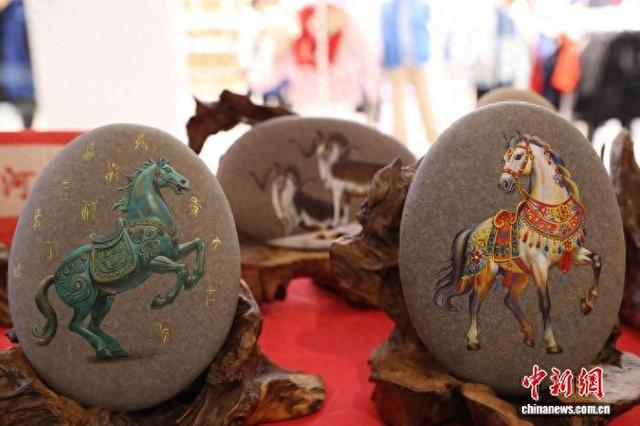
Core Viewpoint - The 2026 "Cultural Heritage New Year" event in Ningxia aims to integrate intangible cultural heritage with traditional customs, tourism, and consumption to foster a festive atmosphere and promote economic and social development [2]. Group 1: Event Overview - The event is themed "Cultural Heritage Rhythms: A Prosperous Chinese New Year" and officially commenced on February 7 in Yinchuan [2]. - It focuses on the deep integration of intangible cultural heritage resources with New Year customs and tourism [2]. Group 2: Cultural Activities - Activities include live performances, such as lion dances and traditional crafts like paper-cutting and dyeing [4][12]. - Notable cultural heritage representatives, such as Fu Zhao'e, showcased traditional paper-cutting techniques [4]. - The event features various traditional crafts, including selections of Yellow River stone paintings and wooden board paintings from Liupan Mountain [10][13].