骑马铜人

Search documents
春风骐骥:马文物里的中华精神
Xin Lang Cai Jing· 2026-02-13 18:32
Core Viewpoint - The "Spring Breeze Qiji: Year of the Horse Zodiac Exhibition" showcases the significance of horses in Chinese civilization, featuring various horse artifacts that reflect cultural heritage and artistic expression [8][14]. Group 1: Exhibition Highlights - The exhibition includes 16 horse artifacts, with the oldest being a round sculpture of a white jade horse from the Western Han Dynasty, symbolizing dreams and aspirations [8]. - The "Six Steeds of Zhao Ling" stone carvings from the Tang Dynasty are prominently displayed, illustrating the valor and historical significance of war horses in Chinese history [9]. - A collection of colorful pottery figurines from the Tang Dynasty represents the cultural exchange along the Silk Road, showcasing a different aspect of horse culture [10]. Group 2: Cultural Significance - Horses are depicted as symbols of courage, dreams, and success throughout Chinese history, reflecting the enduring legacy of equestrian culture [14]. - The exhibition features various artistic representations of horses, including a small bronze figure from the Tang Dynasty that symbolizes sports culture and historical interactions [13]. - The "Bronze Galloping Horse" from the Han Dynasty, known for its dynamic form, has become a popular cultural icon, transforming into various merchandise that resonates with contemporary audiences [12].

马年话马丨博物馆里寻觅,骏影奔腾千年
Xin Hua She· 2026-02-11 19:17
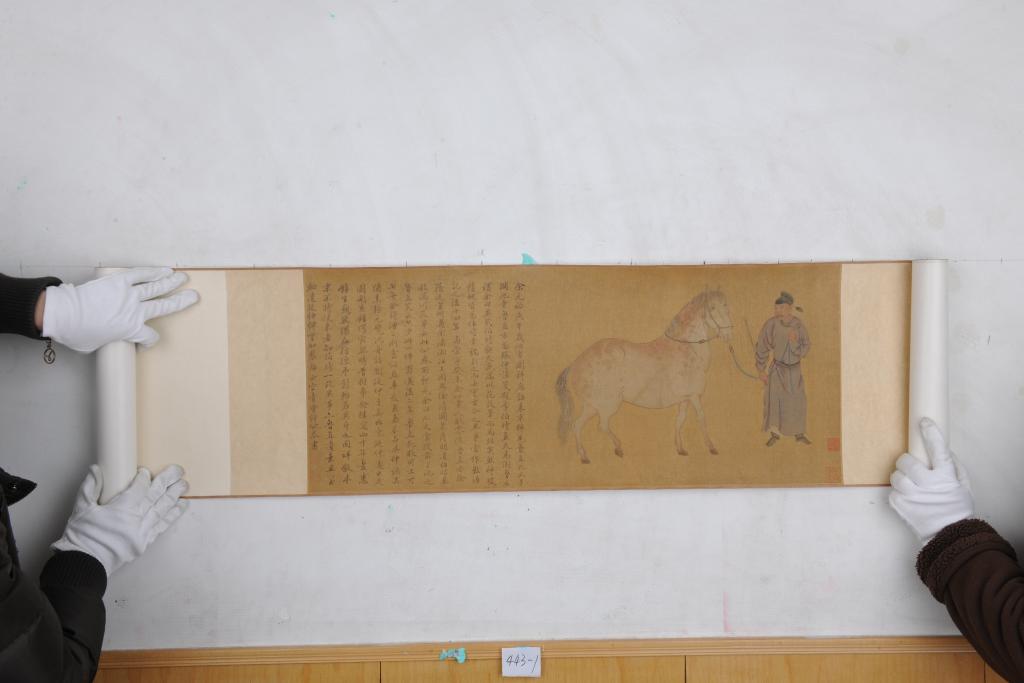
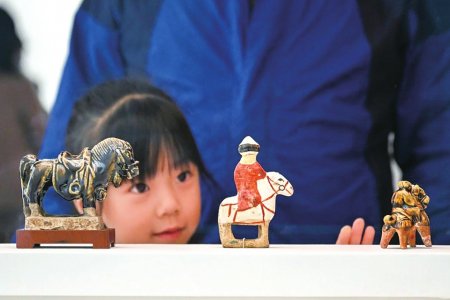
Core Viewpoint - The article highlights the cultural significance of horses in Harbin, particularly during the Lunar New Year celebrations, showcasing various historical artifacts that reflect the artistic and cultural heritage associated with horses in Chinese history [1][19]. Group 1: Cultural Significance - The atmosphere in Harbin during the Lunar New Year is enriched with cultural elements, where people seek blessings and express hopes for renewal, symbolized by the "spirit of the dragon and horse" [1]. - The exhibition at the Heilongjiang Provincial Museum features a variety of artifacts that illustrate the historical relationship between humans and horses, emphasizing the importance of horses in Chinese culture [1][19]. Group 2: Artifacts and Historical Context - A notable artifact is the "Tianma" painting by Li Gonglin, which showcases the "white drawing" technique, capturing the essence of horses with fluid lines and lifelike details [4][3]. - The article mentions a Tang Dynasty bronze figure of a horse rider, which symbolizes the cultural exchange in sports, particularly the game of "jijiu" (horse polo), prevalent during the Tang and Song dynasties [10][8]. - Another significant artifact is a Qing Dynasty cloisonné copper stirrup, which reflects the craftsmanship and the importance of horses in warfare and status [12][14]. Group 3: Artistic Techniques and Styles - The article discusses the intricate techniques used in the creation of these artifacts, such as the cloisonné process and the detailed craftsmanship that enhances their aesthetic appeal [12][14]. - The copper mirror from the Jin Dynasty, featuring grape and beast motifs, represents the cultural amalgamation and artistic styles that evolved over time, showcasing the grandeur of Chinese civilization [16][18].