高光谱无人机

Search documents
聆听珊瑚低语 触摸海洋脉搏
Zhong Guo Zi Ran Zi Yuan Bao· 2025-10-30 08:07
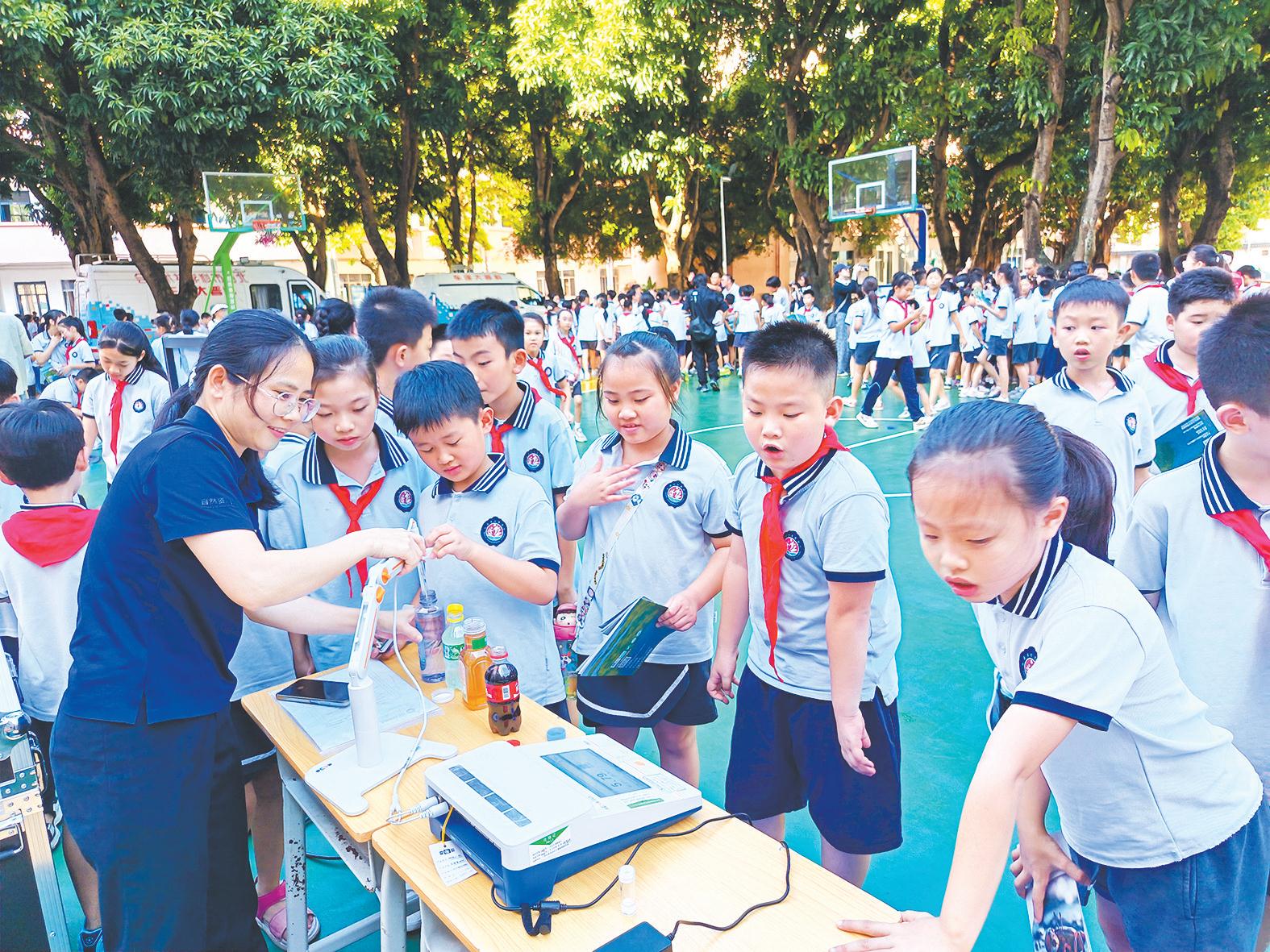
Core Points - The marine science outreach activities conducted by the Beihai Ocean Center aimed to educate students about coral reefs and marine ecology through engaging methods such as lectures, hands-on experiences, and demonstrations [1][2] - The activities included a focus on coral reef protection, where students learned about the ecological functions of coral reefs and the threats they face, enhancing their understanding of marine conservation [1] - The use of high-tech equipment like drones and pH meters was highlighted, showcasing their importance in marine observation and research, which sparked students' interest in marine technology [2][4] Group 1 - The Beihai Ocean Center organized marine-themed science outreach events at local schools, including interactive sessions on coral reefs and marine ecology [1] - Students participated in a quiz and hands-on activities, reinforcing their knowledge and enthusiasm for marine science [1] - The outreach included demonstrations of diving equipment and marine survey techniques, allowing students to experience marine research firsthand [1][4] Group 2 - The high-spectral drone attracted significant attention, with students inquiring about its capabilities and applications in marine surveying [2] - Students engaged in pH testing activities, learning about the chemical properties of seawater and its importance in marine environments [3][4] - The overall response from students and teachers was positive, indicating that the activities successfully broadened scientific perspectives and fostered a sense of responsibility towards marine conservation [4]

六五环境日:科技何以赋能浙江生态环境保护?
Zhong Guo Xin Wen Wang· 2025-06-05 11:41
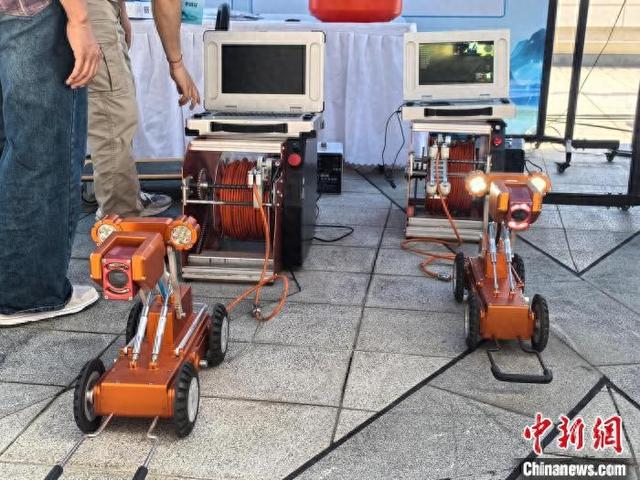
Group 1: Environmental Technology Innovations - The "Environmental Technology Exhibition" in Hangzhou showcased 34 leading environmental technology companies and research institutions from Zhejiang, focusing on smart monitoring technology and pollution control innovations [1] - The high-spectral drone exhibited by Guoguang Technology (Hangzhou) Co., Ltd. can generate real-time water quality data during flight, significantly improving efficiency compared to traditional manual inspections [1] - The drone utilizes AI visual recognition to identify pollution sources such as floating debris and illegal discharges, facilitating real-time data transmission and reducing the burden on grassroots environmental management personnel [1] Group 2: Robotics in Environmental Monitoring - Zhejiang Huashi Pipeline Technology Co., Ltd. has developed CCTV pipeline inspection robots that transform traditional operational methods, with models suitable for pipes ranging from 150mm to over 300mm in diameter [3] - The robots are equipped with dual cameras and a 360-degree lighting system, enabling comprehensive imaging and automatic report generation, effectively addressing issues like pipeline damage and illegal connections [3] - The four-legged bionic robot from Hangzhou Huanjian Technology Co., Ltd. features a modular air quality monitoring system, adaptable for various sensors to monitor hazardous areas or hard-to-reach locations [3] Group 3: Continuous Environmental Monitoring - Integrated devices in construction site supervision enable 24-hour remote monitoring of pollution sources such as dust and vehicle emissions, addressing gaps in manual oversight, especially during non-standard working hours [4] Group 4: Public Engagement in Environmental Initiatives - The "Green Volunteer National Action" was launched to encourage public participation in environmental protection, aiming for a collaborative approach to green development across Zhejiang through partnerships with platforms like Alibaba's green public welfare [5]