高原安

Search documents
想去高原旅游又怕高反
Xin Lang Cai Jing· 2025-12-28 19:25
Core Viewpoint - The recent incident of a 23-year-old master's student dying from severe altitude sickness has raised awareness about the safety issues related to high-altitude travel, highlighting the potential severity of altitude sickness and the need for proper prevention and response strategies [8]. Group 1: Understanding Altitude Sickness - Altitude sickness, or "high altitude disease," is primarily caused by hypoxia at high altitudes, with symptoms often confused with common ailments like colds or fatigue. Severe cases can lead to life-threatening conditions such as pulmonary or cerebral edema [8]. - Common symptoms include headaches, palpitations, nausea, insomnia, vomiting, muscle aches, shortness of breath, fatigue, cyanosis, dizziness, chest tightness, and loss of appetite [8]. Group 2: Prevention Strategies - To prevent altitude sickness, it is recommended to avoid rapid ascents and to start at lower altitudes (2000 to 2500 meters), increasing elevation by no more than 1000 meters per day, and allowing 1 to 2 days for acclimatization [8]. - Upon reaching high altitudes, individuals should avoid strenuous activities for the first 24 to 48 hours and focus on light walking and resting [9]. - Maintaining hydration and a proper diet is crucial; individuals should drink warm water to prevent dehydration and consume light, high-carbohydrate foods while avoiding greasy, spicy foods and alcohol [9]. Group 3: Equipment and Medication - Essential equipment for high-altitude travel includes portable oxygen tanks and personal protective items like sunscreen, hats, and sunglasses to mitigate UV exposure [10]. - It is advisable to carry specific medications such as compound preparations like Rhodiola and altitude sickness relief medications, and to follow medical advice regarding their use [9][10]. Group 4: Response to Symptoms - If severe symptoms such as intense headaches, vomiting, or difficulty breathing occur, immediate descent and medical attention are necessary [10]. - Individuals should not ignore moderate to severe symptoms, as delaying treatment can worsen the condition and lead to complications [10]. - Special precautions are advised for vulnerable groups, including children, pregnant women, and those with pre-existing health conditions, who should seek medical evaluation before traveling to high altitudes [11].

越过群山追斜阳,川西小环线 5 天自驾攻略
3 6 Ke· 2025-09-22 09:23
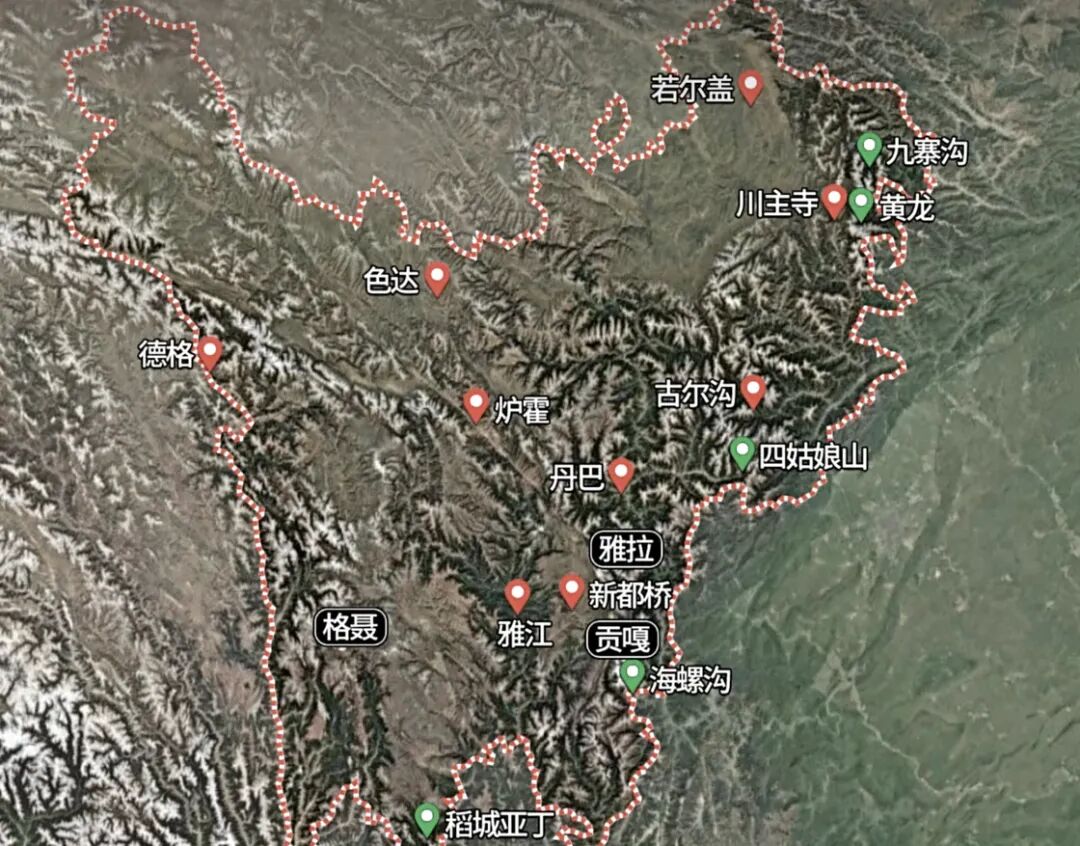
Group 1 - The article emphasizes the advantages of self-driving travel in remote areas, particularly in the context of a long-distance trip to Western Sichuan during the May Day holiday [1][2] - Western Sichuan is described as a region rich in natural beauty and cultural heritage, featuring attractions like Jiuzhaigou, Huanglong, and various snow-capped mountains [2][4] - The article outlines the best travel seasons for Western Sichuan, highlighting the importance of daily weather conditions over macro seasons for planning trips [4][5] Group 2 - The travel itinerary includes a 4-day route starting from Chengdu, covering approximately 1250 km with a maximum altitude of 5000 meters [7][12] - Specific daily activities are detailed, including visits to Qingcheng Mountain, Four Girls Mountain, and various scenic spots, with recommendations for accommodations and travel tips [10][17][21] - The article provides insights into potential challenges such as altitude sickness and offers preventive measures, including the use of oxygen bottles and gradual acclimatization [46][47]