高端木材

Search documents
已致超3000人死亡!边贸商人亲述缅甸地震后经济余震
21世纪经济报道· 2025-04-02 15:31
Core Viewpoint - The recent 7.9 magnitude earthquake in Myanmar has caused significant destruction, with over 3,000 reported deaths and extensive damage to infrastructure, highlighting the country's vulnerability to seismic activity and the need for international aid and long-term capacity building for disaster response [1][2][13][14]. Group 1: Impact on Trade and Economy - The earthquake has disrupted trade between China and Myanmar, particularly affecting the import of timber, agricultural products, and minerals due to damaged infrastructure [3][22]. - Despite the immediate impact, bilateral trade is expected to stabilize over time due to the strategic cooperation between the two countries [3][22]. - The earthquake's aftermath poses significant challenges for Myanmar's economic recovery, particularly in agricultural regions crucial for rice and bean production, with potential delays in exports [22][23]. Group 2: International Aid and Response - China has rapidly mobilized rescue teams, with approximately 400 personnel involved in relief efforts, successfully rescuing survivors within the critical 72-hour window post-earthquake [16][18]. - The involvement of various Chinese rescue teams and organizations demonstrates a coordinated international response to the disaster, addressing immediate humanitarian needs [16][18]. - The challenges faced in the rescue operations are compounded by Myanmar's limited infrastructure and ongoing political instability, which hinder effective disaster management [14][15]. Group 3: Infrastructure and Recovery Challenges - The earthquake has caused extensive damage to roads, communication networks, and medical facilities, complicating rescue and recovery efforts [15][21]. - The need for substantial reconstruction funding may exacerbate the already fragile economic situation in Myanmar, deterring foreign investment due to increased risks [22][21]. - Companies operating in Myanmar, such as New Hope Group, have reported minimal impact on their overall quarterly performance, indicating resilience in their operations despite localized disruptions [17][18].

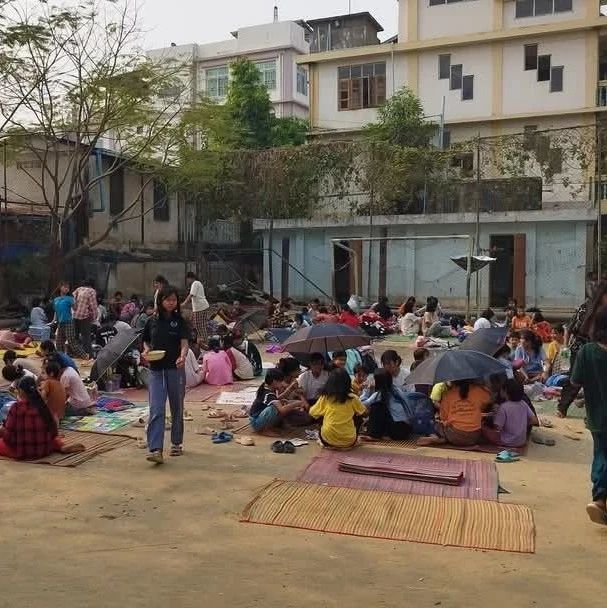
已致2886死4639伤!边贸商人口述缅甸地震后经济余震:农矿产品出口或延误
2 1 Shi Ji Jing Ji Bao Dao· 2025-04-02 12:21
Group 1: Earthquake Impact - A 7.9 magnitude earthquake struck Myanmar on March 28, resulting in 2,886 deaths, 4,639 injuries, and 373 missing persons, with the most severe damage in regions like Sagaing, Mandalay, Naypyidaw, and Bago [1][8] - The earthquake's epicenter was located at a depth of 30 kilometers, with a rupture zone of 400 kilometers, indicating significant destructive potential [8][9] - The earthquake has led to extensive infrastructure damage, which may delay exports of agricultural products and minerals, posing long-term economic challenges for Myanmar [12][14] Group 2: International Aid and Response - China has mobilized rescue teams, with the Yunnan rescue team being the first international team to arrive within 18 hours post-earthquake, successfully rescuing trapped individuals [2][9] - Approximately 400 Chinese experts and rescue personnel are currently involved in the relief efforts, with various Chinese organizations providing support and coordination for rescue operations [9][10] - The international community's assistance is deemed necessary for immediate relief, but long-term capacity building is essential for Myanmar to enhance its disaster response capabilities [2][12] Group 3: Economic Implications - The earthquake's impact on infrastructure is expected to increase reconstruction costs, further straining Myanmar's already fragile economy due to ongoing political instability [12][14] - Despite the earthquake, some companies, like New Hope Group, reported minimal impact on their operations, with a quick recovery in certain areas [10] - The earthquake has caused disruptions in trade, particularly affecting the agricultural sector, which is crucial for Myanmar's economy, but the overall impact on border trade is considered manageable [12][14]