鲜享暖冬·农创融合三新消费升级计划

Search documents
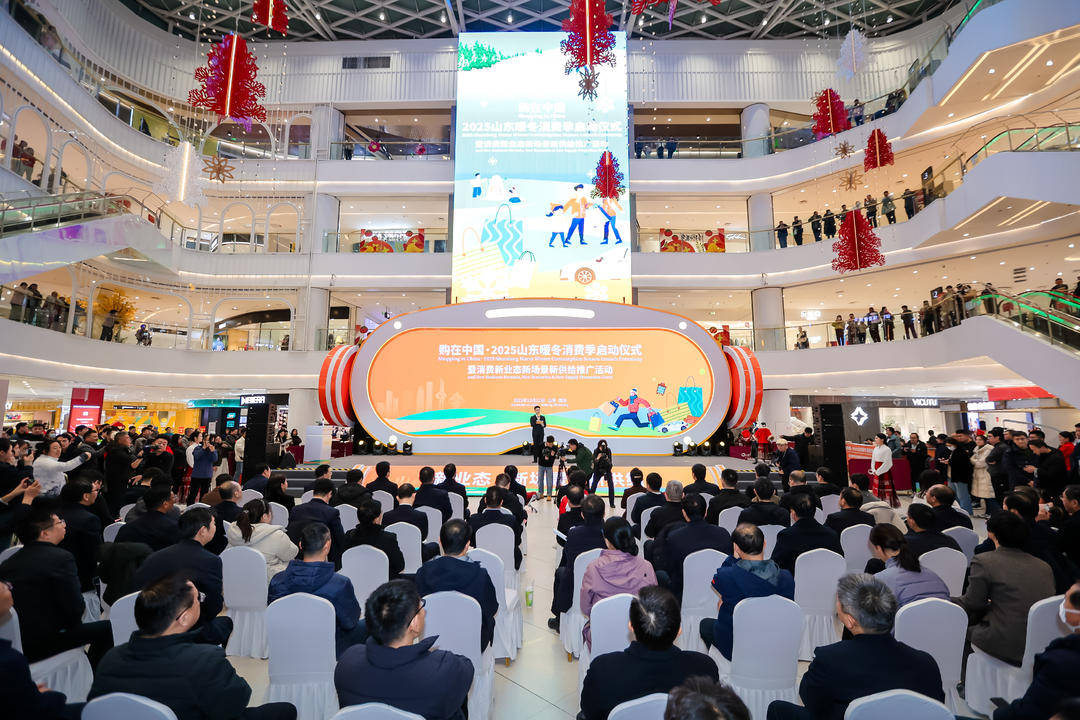
“购在中国·2025山东暖冬消费季”在潍坊启动
Sou Hu Cai Jing· 2025-12-13 12:05
Core Insights - The "2025 Shandong Warm Winter Consumption Season" was launched on December 12, focusing on promoting new consumption patterns and enhancing consumer experiences in Shandong province [1][3] Group 1: New Consumption Guidelines - The Shandong Provincial Department of Commerce released three consumption guidelines: 1. A guide for vibrant new consumption covering 64 categories including live e-commerce, instant retail, smart business circles, and leisure experiences 2. A new scene experience list featuring 109 benchmark scenarios such as night-time consumption hubs, themed markets, and immersive experiences 3. A new supply list for the warm winter season, aggregating 74 quality offerings including smart home appliances, specialty foods, and cultural creative products [3][7] Group 2: Financial Support and Promotions - The warm winter consumption season is supported by over 300 million yuan in financial resources, providing tangible subsidies to consumers - Financial institutions like Alipay, Gaode Map, and China UnionPay have launched a series of promotional activities to enhance consumer benefits across various spending scenarios such as shopping and fuel recharge [3][5] Group 3: Event Highlights and Participation - The event featured a "walking press conference" format, connecting various themed exhibition areas including Meituan's unmanned delivery and JD's fresh kitchen initiatives - The atmosphere was lively, attracting numerous enterprises to participate and showcase their offerings [5][7] Group 4: Strategic Focus and Future Plans - The event is part of a broader initiative by six ministries under the "Buy in China" series, aiming to cultivate new consumption models and enhance the quality of consumption in Shandong - The city of Weifang, as the launch site, plans to introduce 70 new consumption patterns and 60 key promotional activities, targeting sectors like ice and snow economy, silver economy, cultural tourism, and digital experiences [7]