
鸿鹄手术机器人

Search documents
国产手术机器人,如何赶超欧美?
3 6 Ke· 2026-01-15 13:47
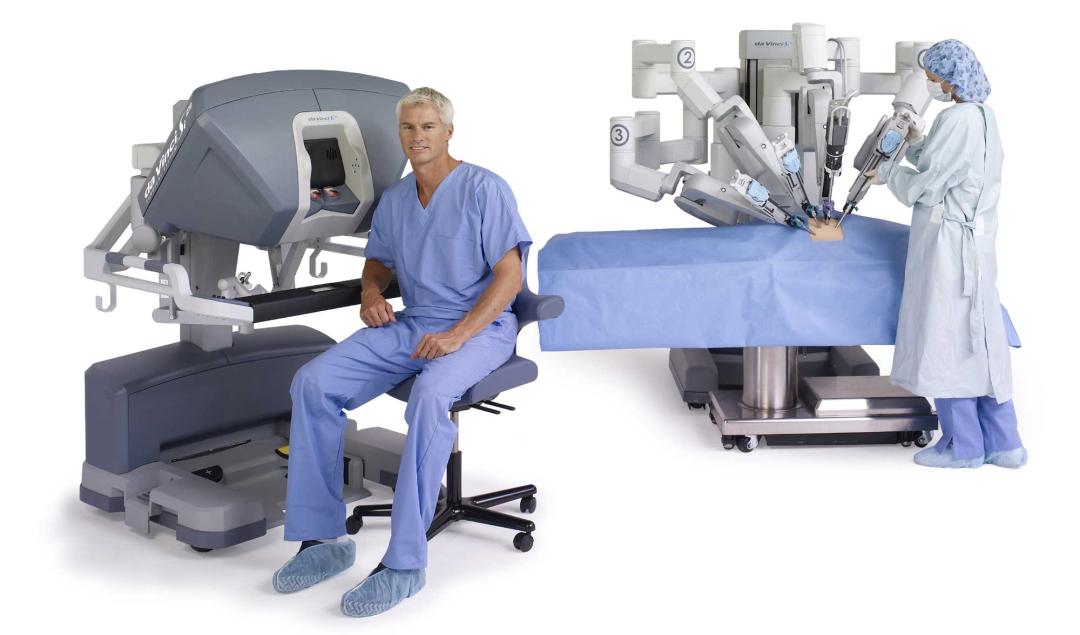
Core Viewpoint - The collaboration between Sichuan Huaxi Hospital and Tibet Maternal and Child Hospital successfully completed the world's first remote single-arm single-port robotic surgery, highlighting the growing application of surgical robots in the medical field and the potential to bridge healthcare disparities across regions [1][7]. Group 1: Advantages of Surgical Robots - Surgical robots serve as "assisted driving systems" on the operating table, enabling precise and complex surgical operations [1]. - They significantly enhance surgical precision and stability, reducing human error and risks associated with surgeries [3]. - The use of surgical robots can drastically reduce operation time; for instance, the SEEG electrode implantation procedure can be completed in 40-50 minutes compared to 120-180 minutes using traditional methods [5]. Group 2: Current Market Status - The global surgical robot market is projected to grow from approximately $11.1 billion in 2024 to $23.7 billion by 2029, with a compound annual growth rate (CAGR) of 16.5% [8]. - Intuitive Surgical's da Vinci surgical robot holds about 60% of the global market share, indicating a dominant position in the industry [8][11]. Group 3: Domestic Development and Challenges - China's surgical robot industry has transitioned from reliance on imports to independent research and development, achieving breakthroughs in various surgical fields [11][13]. - Despite advancements, challenges remain, including reliance on imported core components and difficulties in market promotion, which hinder the widespread adoption of domestic surgical robots [13][15]. - The price of domestic laparoscopic surgical robots is significantly lower, ranging from 3-4 million RMB, compared to 8-12 million RMB for imported models [11]. Group 4: Technological Innovations and Future Prospects - The emergence of technologies like DeepSeek represents a pivotal moment for China's surgical robot industry, indicating a shift towards greater innovation and capability [16][18]. - The integration of AI and 5G technology is enhancing the functionality of surgical robots, allowing for remote surgeries and improved operational efficiency [27][29]. - The domestic market is seeing an increase in the approval of surgical robots, with 64% of devices being domestically produced, marking a significant improvement over the past four years [29].


国产手术机器人,离欧美还有多大差距?
3 6 Ke· 2025-03-28 07:35
Core Viewpoint - The development and application of surgical robots are rapidly advancing, with significant improvements in precision, efficiency, and accessibility for patients, particularly in remote areas [1][7][29]. Group 1: Advantages of Surgical Robots - Surgical robots serve as "assisted driving systems" on the operating table, enhancing precision and reducing risks associated with human error [1][3]. - They provide high-definition imaging systems, allowing surgeons to observe surgical sites in 3D, improving accuracy in locating lesions [3][5]. - The use of surgical robots can significantly reduce operation time; for instance, the SEEG electrode implantation can be completed in 40-50 minutes compared to 120-180 minutes using traditional methods [5][7]. Group 2: Current Market Status - The global surgical robot market is projected to grow from approximately $11.1 billion in 2024 to $23.7 billion by 2029, with a compound annual growth rate of 16.5% [8]. - Intuitive Surgical's da Vinci surgical robot is expected to hold about 60% of the global market share in 2024, indicating a dominant position in the market [8][11]. Group 3: Domestic Development and Challenges - China's surgical robot industry has transitioned from reliance on imports to independent research and development, achieving breakthroughs in various surgical fields [11][13]. - However, there are still significant gaps in core technologies, with key components largely dominated by foreign companies, and challenges in translating research into practical applications [13][15]. - The price advantage of domestic robots is notable, with costs reduced by 50-60% compared to imported models, making them more accessible [11][13]. Group 4: Technological Innovations and Future Prospects - The emergence of technologies like AI and 5G is enhancing the capabilities of surgical robots, allowing for remote operations and improved surgical precision [25][27]. - The integration of AI algorithms enables real-time visualization of critical structures during surgery, further improving outcomes [25][27]. - The domestic market is witnessing a shift from "catching up" to "keeping pace" with international standards, supported by government policies and industry standards [19][27]. Group 5: Impact on Healthcare - Surgical robots are expected to improve surgical outcomes, reduce recovery times, and lower healthcare costs, benefiting both patients and healthcare providers [29][30]. - The technology aims to provide high-quality medical services to patients in remote areas, addressing disparities in healthcare access [7][29].