黄飞红麻辣花生

Search documents
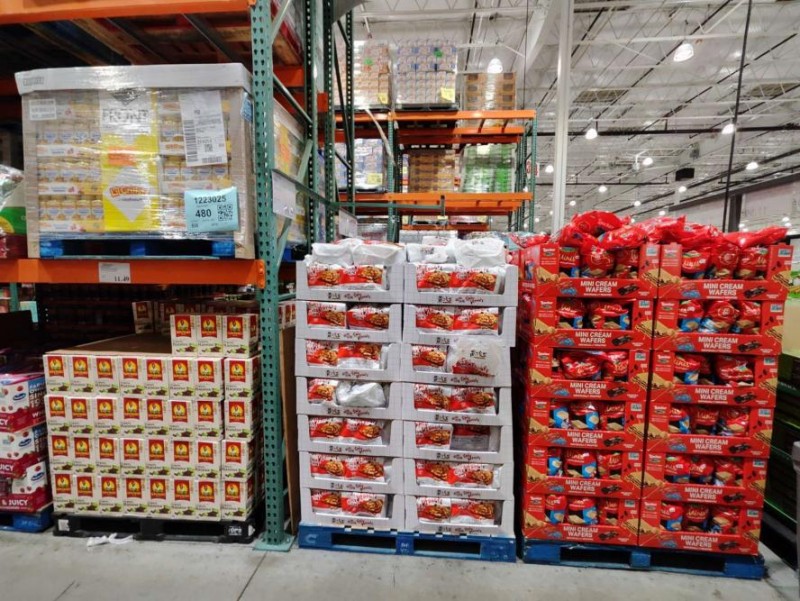
黄飞红麻辣花生登陆美澳 Costco,让世界爱上中国味道
Zhong Guo Shi Pin Wang· 2025-08-26 02:59
Core Insights - Huang Feihong Spicy Peanuts, a brand under Xinhao Group, has successfully entered Costco stores in the US and Australia, marking a significant milestone for a Chinese snack brand on the international retail stage [1][3] Group 1: Brand Recognition and Quality Standards - Costco is known for its stringent quality standards, which are considered a "quality passport" for global consumer goods, and Huang Feihong's entry is a testament to its commitment to quality [3] - The brand was recognized by the authoritative food magazine Saveur in 2013 as one of the "100 Global Must-Try Foods," highlighting its long-standing dedication to "export-grade quality" [3] - Huang Feihong's sourcing from the premium peanut-growing region in Shandong and its full-chain traceability system reflect its commitment to quality, allowing it to stand out in Costco's global supplier selection [3][7] Group 2: Global Expansion and Cultural Impact - Prior to entering Costco, Huang Feihong had already reached over 40 countries, becoming a comfort food for overseas Chinese and gaining popularity among food bloggers in Japan [5] - The brand has sparked a wave of social media reviews, with foreign consumers praising its unique flavors, indicating a strong cultural resonance and the potential for Chinese flavors to globalize [5][9] - Huang Feihong's journey from a national snack to an international player showcases the brand's ability to convey Chinese culinary wisdom through its products, enhancing the global perception of "Made in China" [7][9]

日本人在中国,会买什么伴手礼带回去送人?
Hu Xiu· 2025-06-26 02:17
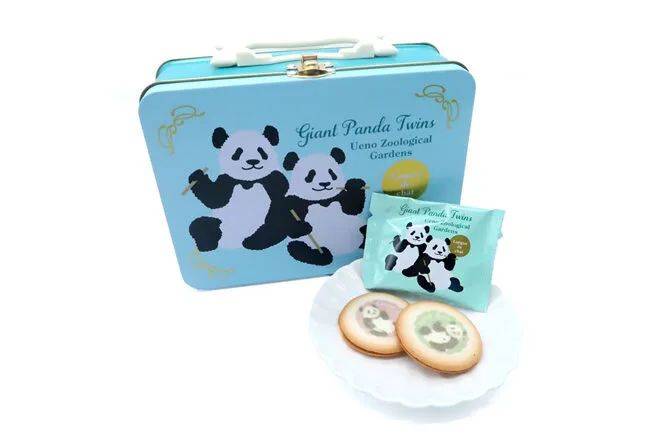
Core Viewpoint - The article discusses the types of gifts that Japanese individuals typically buy when visiting China, highlighting cultural preferences and popular items among Japanese travelers [1]. Group 1: Cultural Preferences - Japanese people have a strong affection for pandas, making panda-themed products a popular choice for souvenirs [4][5]. - The variety of panda-related cultural products available in China is appealing, especially for first-time visitors [9]. Group 2: Food and Snacks - Japanese travelers often prefer to buy food items as gifts, with a particular interest in snacks and local delicacies [10]. - Popular snacks include: - Spicy peanuts, specifically the Huang Fei Hong brand, which is highly sought after [12]. - Hawthorn products, which are not commonly found in Japan, making them a unique gift option [16][18]. - Sunflower seeds, which are initially unfamiliar to many Japanese but become popular once they try them [20]. - Various Chinese seasonings and sauces, as many Japanese enjoy cooking Chinese dishes [21]. - Unique flavored chips that differ from the limited options available in Japan [23]. - Spicy noodle varieties, which are well-received by Japanese consumers [29]. - Japanese individuals often buy items that can be shared among colleagues, reflecting a cultural tendency to distribute gifts [32][34]. Group 3: Gift-Giving Practices - The practice of buying gifts that can be easily shared is common among Japanese travelers, as they often have limited luggage space [33]. - Items like chocolates that are widely available in Japan are sometimes purchased, but the focus remains on unique local products [32].