0.015毫米“手撕钢”

Search documents
0.015毫米“手撕钢”实现量产 钢铁行业向智能、高端转型
Huan Qiu Wang· 2025-10-18 01:35
Group 1: Industry Overview - In September 2023, China's steel industry PPI (Producer Price Index) continued to rise, reaching 99.5%, an increase of 3.9 percentage points compared to the previous month [1] - The PPI data has shown a significant upward trend since May 2023, coinciding with the industry's first initiative to address "involution" competition [1] Group 2: Company Strategies - Several steel companies are adopting transformation and differentiation strategies to maintain the overall interests of the industry chain [3] - The China Special Steel Enterprises Association emphasizes the need for a new development path to solve the issue of involution, advocating for a focus on specialized and innovative growth [5] Group 3: Product Innovations - At the first China Special Steel and New Materials Summit, a report was released to promote differentiated development routes for enterprises, focusing on intelligent and high-end transformation [6] - The world's thinnest steel, measuring only 0.015 mm thick, has recently achieved mass production, with a daily output of approximately 3 tons [8] - The production process of this "hand-torn steel" is complex, requiring precise control to achieve the desired thickness without damaging the surface [11][13] Group 4: Application and Performance - "Hand-torn steel" is being integrated into various applications, including soft-pack materials for new energy vehicle batteries and components in consumer electronics, enhancing battery capacity and extending device lifespan [11] - The introduction of "hand-torn steel" has significantly improved the durability of foldable screens, increasing their lifespan from 40,000-50,000 folds to potentially 80,000-100,000 folds [11] - Powder steel, with particles as small as 500 microns, is being utilized in advanced applications, including high-tech products and precision tools, with a lifespan improvement from 6,000 to potentially 50,000 mold cycles [15][17]

韩国路走窄了,被传拒绝出席中国阅兵后,李在明开始对华加税
Sou Hu Cai Jing· 2025-07-27 05:34
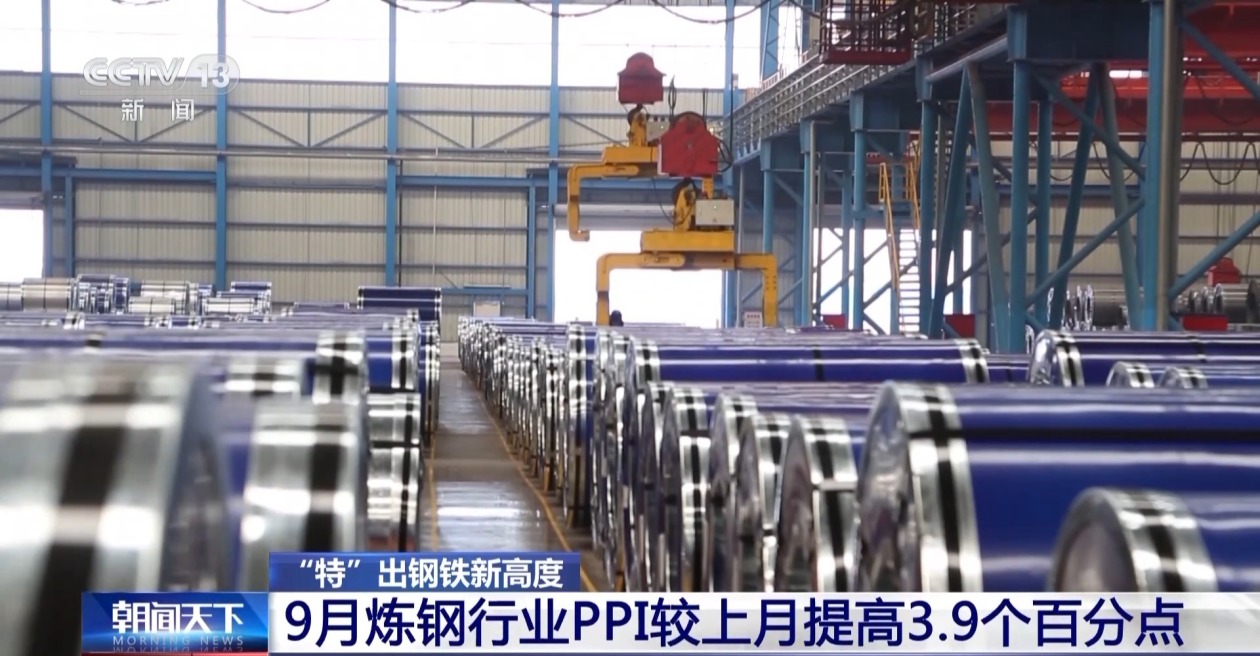
Group 1 - The core issue revolves around South Korea's precarious position between the US and China, leading to a series of trade-related decisions that may harm its own economy [1][5] - The US imposed a 25% tariff on key South Korean exports, threatening $18 billion in annual automotive exports and $12 billion in steel exports, putting significant pressure on the South Korean economy [3] - In response to US tariffs, South Korea announced anti-dumping duties of 28.16% to 33.57% on Chinese steel products, which coincided with similar actions taken by Vietnam, indicating a strategic alignment with US interests [5][6] Group 2 - The South Korean government is under pressure to join a "anti-China technology alliance" as part of negotiations for tariff exemptions, which could further complicate its trade relationships [6] - The imposition of tariffs on Chinese steel is expected to significantly increase costs for South Korean shipbuilders, with Samsung Heavy Industries facing an annual cost increase of 1.2 trillion KRW (approximately 63 million RMB) per ship [8] - The reliance on Chinese steel has led to project delays and potential financial losses in major construction projects, with estimates suggesting a loss of 600 billion KRW due to material shortages [8] Group 3 - South Korea's trade dependency on China is highlighted by a projected bilateral trade volume of 2.33 trillion RMB in 2024, with 63% of semiconductor exports reliant on the Chinese market [9] - The geopolitical landscape is further complicated by the presence of 28,500 US troops in South Korea, which diminishes South Korea's bargaining power in trade negotiations [9] - The South Korean government has attempted to appease the US through various measures, including military cooperation and economic concessions, but the effectiveness of these strategies remains uncertain [11]