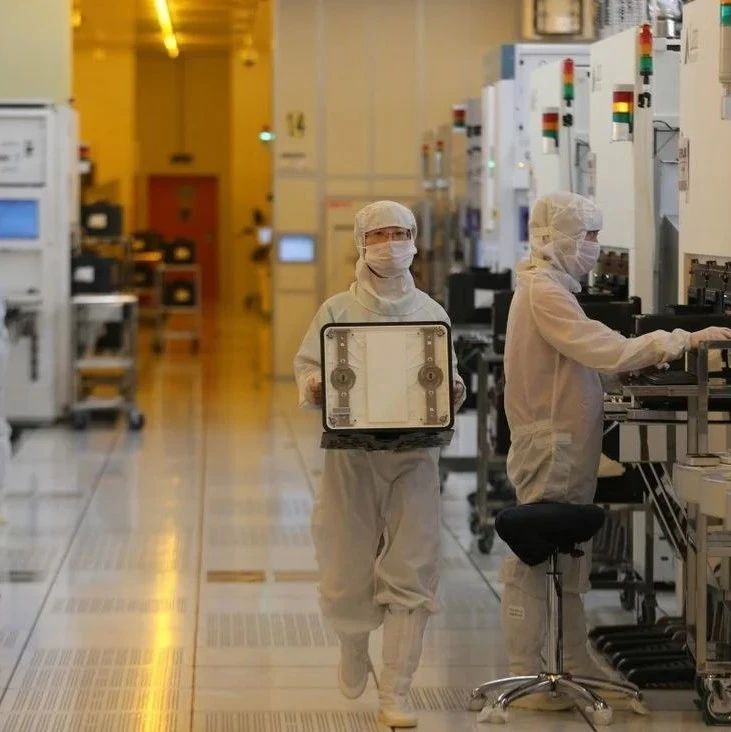
2nm工艺芯片

Search documents
美国,新增一座晶圆厂?
半导体芯闻· 2026-03-25 10:49
Core Insights - Samsung is rapidly expanding its semiconductor manufacturing capabilities in Taylor, Texas, with plans for a second factory (Fab 2) due to increased demand for foundry services amid TSMC's capacity constraints [1][2] - The initial investment for the first factory (Fab 1) has increased from $17 billion to $37 billion, with $4.75 billion coming from federal subsidies under the CHIPS and Science Act [1][2] - Samsung aims to solidify its position as the world's second-largest foundry by leveraging advanced process technologies and expanding its production capacity [2] Group 1 - Samsung's second semiconductor manufacturing plant (Fab 2) is in the early stages of regulatory review and planning, with the Taylor City Council approving an extension of the contract with HDR Engineering for oversight [1] - Fab 2 is expected to cover approximately 2.7 million square feet, similar in size to the ongoing Fab 1 construction, and is part of a larger plan to create a semiconductor industry cluster capable of housing up to 10 advanced fabs [1] - The company has acquired 1,268 acres of land in Taylor, Texas, marking its long-term expansion ambitions in the semiconductor sector [1] Group 2 - Samsung has secured orders from 121 customers, with expectations of large contracts from major companies like Google, AMD, and ByteDance [2] - Fab 1 is scheduled to begin mass production in 2027, aligning with Tesla's $16.5 billion next-generation AI chip production agreements [2] - The foundry business revenue is projected to grow by 6.7% to $3.4 billion by Q4 2025, with a global market share increase to 7.1% [2]

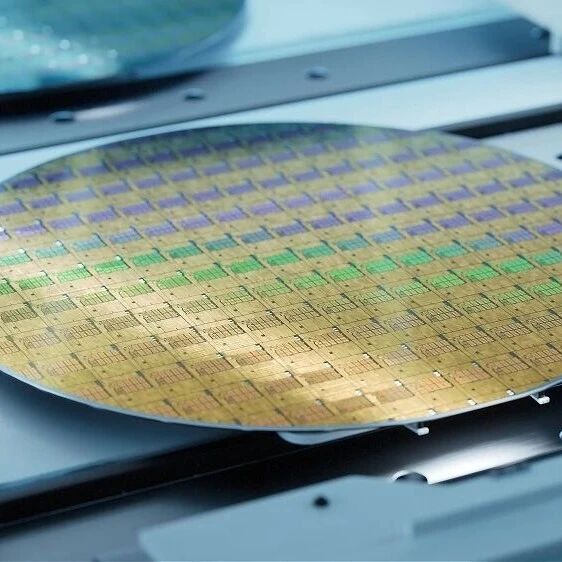
台积电美国厂开始挣钱了!
国芯网· 2025-08-19 12:38
Core Viewpoint - The article highlights the significant advancements and investments made by TSMC in the semiconductor industry, particularly in the United States, and the implications for its profitability and market position [2][4]. Group 1: TSMC's Financial Performance - TSMC reported a substantial after-tax net profit of 398.27 billion NTD in Q2, marking a year-on-year increase of over 60%, with a net profit margin of 42.7% [2]. - The company's investment in U.S. chip factories is showing promising results, with an after-tax net profit of 4.23 billion NTD from U.S. operations, although this is a small fraction of the total profit [2]. Group 2: U.S. Investments and Production Capacity - TSMC's total investment in the U.S. is projected to reach 165 billion USD, which remains significant even after accounting for subsidies from the U.S. CHIPS Act [4]. - The first U.S. factory, producing 4nm chips, has commenced operations with full capacity booked by clients like Apple and AMD [4]. - The second factory, expected to produce 3nm chips, is under construction and is anticipated to begin operations in Q3 of the following year [4]. Group 3: Profitability Milestones - TSMC's Arizona wafer plant, after four years and nearly 40 billion NTD in cumulative losses, is expected to achieve an after-tax net profit of 4.23 billion NTD by Q2 2025, with a total profit of 4.73 billion NTD in the first half of that year [4]. - This milestone indicates a shift towards profitability for TSMC's advanced manufacturing setup in the U.S., contrasting with the ongoing losses at Japan's Kumamoto plant [4].

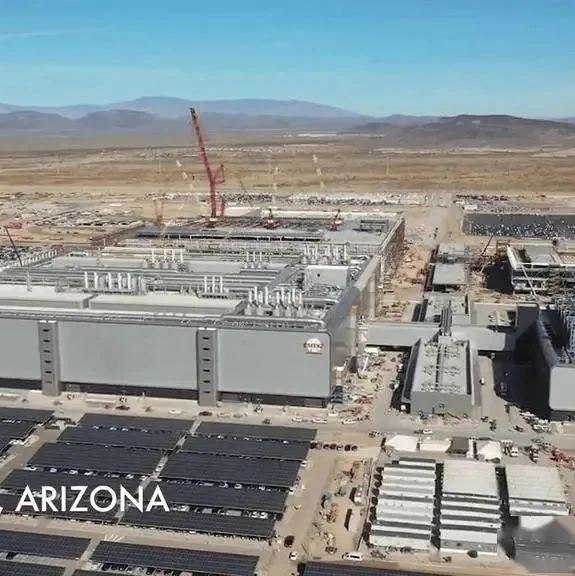
台积电2nm市场份额95%!
国芯网· 2025-08-12 14:07
Core Viewpoint - The article emphasizes the growing dominance of TSMC in the advanced semiconductor manufacturing sector, particularly with the upcoming 2nm process technology, which is expected to capture a significant market share and drive performance improvements for major clients like Apple and AI chip manufacturers [2][4]. Group 1: TSMC's Market Position - TSMC is projected to enter the 2nm process era next year, potentially achieving a monopoly market share of up to 95% in this segment [2]. - The N2 technology utilizes a leading-edge nanosheet transistor architecture, resulting in a 15% increase in transistor density compared to the previous 3nm process, with performance improvements of 15% at the same voltage or a reduction in power consumption by 24% to 35% [4]. - Analysts believe that despite Samsung's limited competition in the 2nm space, TSMC's market dominance is unlikely to be challenged [4]. Group 2: Clientele and Applications - Apple is expected to be one of the first major clients for TSMC's 2nm process, with its iPhone 18 series set to fully adopt these advanced chips, which will significantly boost TSMC's performance [4]. - AI chips are identified as another critical application area for TSMC's 2nm technology, with major companies like NVIDIA, AMD, and Intel confirming their plans to utilize this advanced process, although their production timelines will lag behind Apple's initial demand [4].