
3D打印PEG材料

Search documents
3D打印新材料问世,有望应用到固态电池领域(附概念股)
Zheng Quan Shi Bao Wang· 2025-11-25 01:04
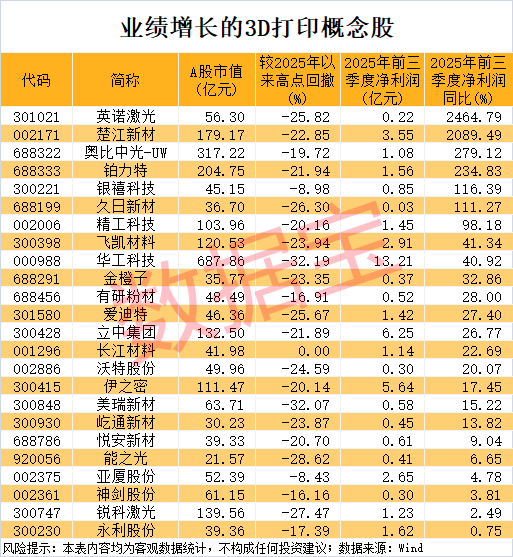
Group 1: Market Overview - The A-share market experienced a recovery on November 24, with significant rebounds in military and AI sectors, while lithium mining stocks faced severe declines [2] - Dapeng Industrial, which debuted on the Beijing Stock Exchange, saw its stock price drop by 48.05% from its peak on the first trading day [2] - Over 40 companies in the A-share market are involved in the 3D printing industry, indicating a growing interest and investment in this sector [5][6] Group 2: 3D Printing Material Innovations - A new type of 3D printing material developed by a research team at the University of Virginia is compatible with the human immune system, potentially advancing medical technologies such as organ transplantation and drug delivery [3] - The new material, which modifies the properties of polyethylene glycol (PEG), exhibits enhanced elasticity and strength, making it suitable for use in biomedical applications [3][4] - This innovative material shows promise as a high-performance solid electrolyte in advanced battery technologies, with ongoing exploration of its applications in solid-state batteries [4] Group 3: Financial Performance of 3D Printing Stocks - In the first three quarters of the year, 24 3D printing concept stocks reported net profit growth, with notable performers including Inno Laser and Chuangjiang New Materials [7] - Among these stocks, six have a rolling P/E ratio below 30, indicating potential value opportunities for investors [7][8] - The average pullback from the year-to-date highs for these 24 stocks is 21.22%, suggesting a correction phase in the market [7]

3D打印新材料可与人体免疫系统兼容
Ke Ji Ri Bao· 2025-11-24 00:56
Core Insights - A research team from the University of Virginia has developed a novel 3D printing material that is compatible with the human immune system, potentially advancing organ transplantation and drug delivery technologies [1][2] - The breakthrough involves modifying the properties of polyethylene glycol (PEG) to create a stretchable network structure, overcoming limitations of traditional PEG production methods [1] Group 1: Material Development - The team utilized a "foldable bottle brush" structure to enhance the strength and elasticity of PEG, allowing for the creation of highly stretchable 3D printable hydrogels and solvent-free elastomers [1][2] - By exposing the precursor mixture to ultraviolet light, the team successfully initiated polymerization to form the bottle brush network structure [1] Group 2: Applications and Future Prospects - The new material's compatibility with biological tissues has been confirmed through cell culture tests, indicating its suitability for in vivo applications such as organ scaffolds [2] - The material shows promise for use in solid-state battery technology, exhibiting higher conductivity and stretchability compared to existing solid polymer electrolytes [2] - Future exploration will focus on combining this material with others to create 3D printed products with varying chemical compositions, expanding its application range [2] Group 3: Industry Implications - The advancement in 3D printing biomaterials represents a transformative potential for regenerative medicine, particularly in organ transplantation [3] - The new material addresses challenges related to immune compatibility, which traditional implants often face, thereby paving the way for personalized regenerative treatments [3]