ABC Reading

Search documents
多邻国疯癫式劝学争议
Xin Lang Cai Jing· 2026-01-08 16:57
Core Viewpoint - The article discusses the potential negative impacts of language learning applications, particularly Duolingo, on minors, highlighting issues related to game addiction, inappropriate content, and the need for better content regulation and parental involvement [1][6][10]. Group 1: Game Addiction Concerns - Language learning platforms like Duolingo utilize gamification to enhance user engagement, but this can lead to excessive screen time and game addiction among minors [7][10]. - A case study of a parent, Liu Jing, illustrates how her child became addicted to the gaming aspects of Duolingo, prioritizing game challenges over actual learning [8][10]. - Experts suggest that while gamification can motivate learning, it risks overshadowing educational content, especially for younger users who may develop an external dependency on rewards rather than intrinsic interest in learning [8][10]. Group 2: Inappropriate Content - Concerns have been raised about the inclusion of content in Duolingo that may not be suitable for children, such as references to LGBTQ topics and unconventional social behaviors [4][5]. - Parents argue that children may misinterpret exaggerated character behaviors in the app as acceptable social norms, potentially affecting their emotional and social development [3][5]. - The lack of age-appropriate content in language learning apps poses a risk of children forming fragmented understandings of complex social issues [5][6]. Group 3: Need for Regulation - There is a call for the establishment of content grading systems to protect minors, particularly for digital content that may not align with their cognitive and emotional maturity [6][10]. - Experts advocate for the development of specific guidelines for educational applications to balance the enhancement of learning interest with the prevention of addiction and irrational spending [10][11]. - Recommendations include implementing mandatory features such as usage time limits and rest prompts for minors, as well as ensuring that gamification elements serve educational purposes rather than merely attracting users [11][12].


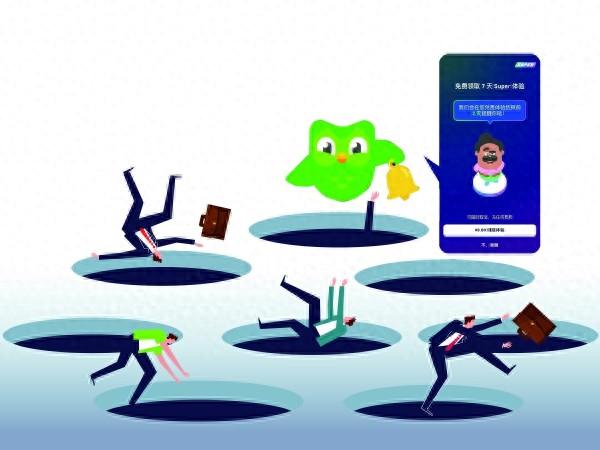
多邻国疯癫式劝学调查
Bei Jing Shang Bao· 2026-01-08 15:45
Core Viewpoint - The article discusses the potential negative impacts of language learning applications, particularly Duolingo, on minors, highlighting issues related to excessive gamification and the incorporation of unconventional values in educational content [1][7]. Group 1: User Experience and Behavior - Users, particularly minors, have shown a tendency to mimic exaggerated behaviors from characters in language learning apps, leading to concerns about their emotional expression and social interactions [2][3]. - The gamified learning approach, while initially engaging, has resulted in some users becoming overly focused on game mechanics rather than actual learning, leading to a phenomenon described as "learning game addiction" [7][8]. Group 2: Content and Value Concerns - Some educational content within these applications includes references to sensitive topics, such as LGBTQ+ issues, which may not be appropriate for younger audiences [4][5]. - The lack of comprehensive explanations for complex social topics can lead to fragmented understanding among children, potentially skewing their perception of the world [5]. Group 3: Regulatory and Design Recommendations - There is a call for the establishment of content grading systems to protect minors, ensuring that educational applications provide age-appropriate content [6]. - Experts suggest that educational apps should implement mechanisms to prevent addiction, similar to those used in online gaming, to balance learning engagement with the prevention of excessive use [10][11]. - Recommendations include mandatory features such as usage time limits and the disabling of competitive elements for underage users to ensure that educational goals remain the primary focus [11].
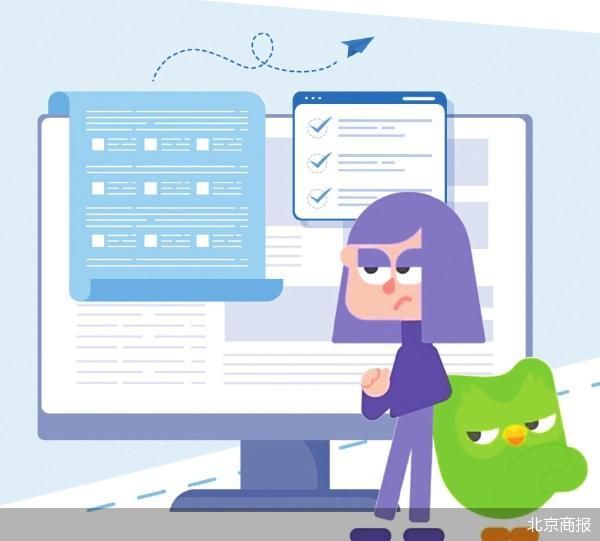
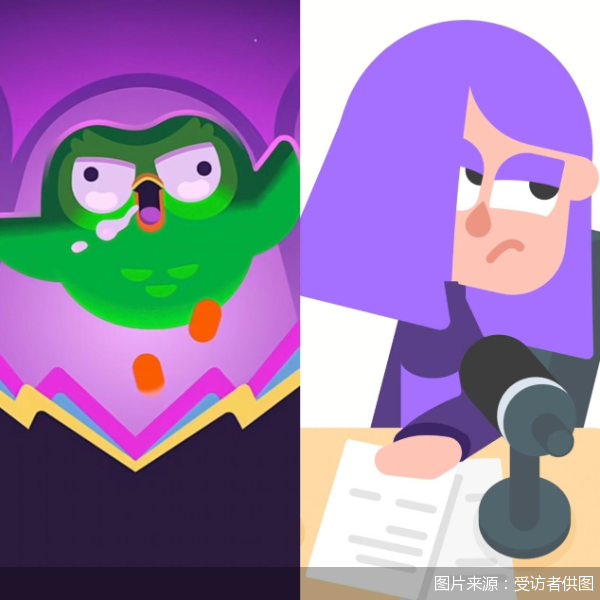
争议多邻国疯癫式劝学:幼儿疑似学习游戏成瘾,模仿黑化、发疯表情与翻白眼行为
Bei Jing Shang Bao· 2026-01-08 12:05
Core Viewpoint - The article discusses the potential negative impacts of language learning apps, particularly Duolingo, on minors, highlighting issues such as game addiction, inappropriate content, and the need for better content regulation and parental involvement [1][2][4][8]. Group 1: User Behavior and Concerns - Children using Duolingo have shown signs of game addiction, mimicking exaggerated behaviors from the app, which raises concerns about their emotional expression and social interactions [2][4]. - The app's gamified learning approach, while initially engaging, can lead to excessive focus on game mechanics rather than actual learning, resulting in a detrimental impact on educational outcomes [9][14]. Group 2: Content Appropriateness - Some content within Duolingo includes themes that may not be suitable for younger audiences, such as references to LGBTQ+ topics and unconventional social behaviors, which could confuse children lacking the maturity to understand these concepts [4][8]. - The lack of a content grading system in China raises concerns about the suitability of materials for different age groups, emphasizing the need for tailored content that aligns with children's cognitive abilities [8][16]. Group 3: Regulatory and Parental Involvement - Experts suggest that language learning apps should implement measures to prevent addiction, similar to those used in online gaming, to balance educational value with user engagement [15][16]. - There is a call for the establishment of guidelines for educational apps to ensure that gamification serves educational purposes rather than merely attracting users for profit [15][16].