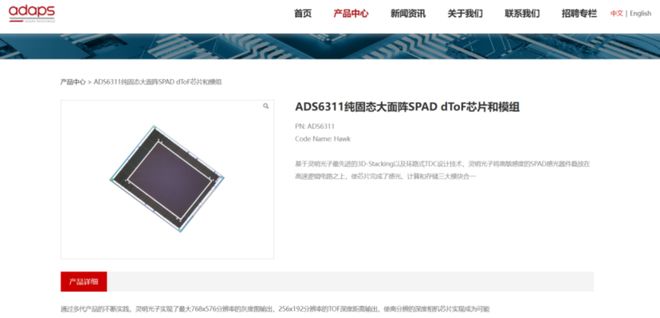
ADS6311芯片

Search documents
激光雷达芯片第一案升级 专利反诉胜算几何?
Xin Lang Cai Jing· 2025-12-18 14:24
Core Viewpoint - The ongoing legal dispute between Shenzhen Lingming Photon Technology Co., Ltd. and Shenzhen Suteng Juchuang Technology Co., Ltd. has escalated, with Lingming Photon filing a counterclaim for patent infringement while Suteng Juchuang asserts that the core issue is the alleged infringement of its trade secrets [3][18]. Group 1: Patent Strength and Legal Strategies - Lingming Photon has a significantly weaker patent portfolio, holding only 7 patents compared to Suteng Juchuang's 100 patents, which raises concerns about the viability of its counterclaim strategy [6][21]. - Suteng Juchuang's patent applications total approximately 2,300 globally, while Lingming Photon has less than 300, indicating a substantial disparity in intellectual property strength [6][21]. - The industry authority report ranks Suteng Juchuang first in authorized effective patents, while Lingming Photon ranks 17th, further highlighting the competitive disadvantage [7][22]. Group 2: Technical and Commercial Implications - Lingming Photon’s rapid development of a high-resolution large-area chip within six months after terminating its collaboration with Suteng Juchuang raises questions about the legitimacy of its technological advancements [4][19]. - The ongoing legal disputes may jeopardize Lingming Photon’s plans to mass-produce its ADS6311 chip by 2025, potentially leading to project delays in the automotive supply chain [9][24]. - The legal challenges could lead to cautious decision-making from potential clients and partners, impacting Lingming Photon’s ability to secure collaborations and financing [10][25]. Group 3: Trade Secret Litigation Challenges - Suteng Juchuang's choice to pursue a trade secret infringement claim presents high evidentiary hurdles, requiring clear definitions of the alleged trade secrets and substantial proof of their confidentiality [14][29]. - The legal framework allows for a shift in the burden of proof to Lingming Photon if Suteng Juchuang provides solid initial evidence, complicating Lingming Photon’s defense [29][30]. - The outcome of this litigation will not only affect the companies involved but also set new standards for competition and intellectual property management within the lidar industry [30].


揭秘激光雷达芯片“第一案”:是横空出世还是另有捷径?
Tai Mei Ti A P P· 2025-12-10 01:48
Core Viewpoint - The lawsuit between Suoteng Juchuang and Lingming Photon, referred to as the "first case of lidar chip," centers on allegations of "trade secret infringement" and "patent infringement," with the Shenzhen Intermediate People's Court officially filing the case [1][3]. Group 1: Background of the Dispute - Suoteng Juchuang initially supported Lingming Photon during its early stages, collaborating on the development of high-performance perception chips for lidar, specifically the SPAD-SoC chip [3]. - The partnership ended in early 2023 due to unsatisfactory performance in trial production, after which Lingming Photon rapidly shifted its technology direction, leading to allegations of improper use of Suoteng Juchuang's core technology [3][4]. Group 2: Lingming Photon’s Defense - Lingming Photon attempted to demonstrate its technology's "independent research and development" through a timeline of product iterations from 2019 to 2023, but this raised doubts about its technological path [4][12]. - The timeline revealed that Lingming Photon had focused on simpler sensor and module products until mid-2023, contradicting its sudden launch of the advanced ADS6311 chip shortly after the partnership ended [12][13]. Group 3: Technical Concerns - The rapid development of the ADS6311 chip, which integrates a data processing unit and represents a significant leap from previous products, raised questions about its technological origins [12][13]. - Industry analysis indicated that Lingming Photon had no prior experience in developing large-area chips or SoCs, making the swift transition to a complex product like ADS6311 suspicious [15][16]. Group 4: Market Implications - Suoteng Juchuang's self-developed lidar products are set for mass production by the end of 2024, potentially influencing market dynamics and creating a competitive landscape for Lingming Photon [16]. - The timing of the lawsuit suggests that Suoteng Juchuang may have uncovered substantial evidence of technological overlap just before Lingming Photon’s planned mass production [16]. Group 5: Broader Industry Reflection - The case highlights critical questions regarding innovation and the importance of respecting intellectual property rights within the Chinese hard technology sector [12]. - A healthy innovation ecosystem requires all participants to acknowledge the objective laws of technological development while clearly defining and respecting each other's intellectual property boundaries [12].