AI判责系统

Search documents
平台企业以AI技术探索服务新就业形态劳动者新路径
Zhong Guo Jing Ji Wang· 2025-11-07 06:00
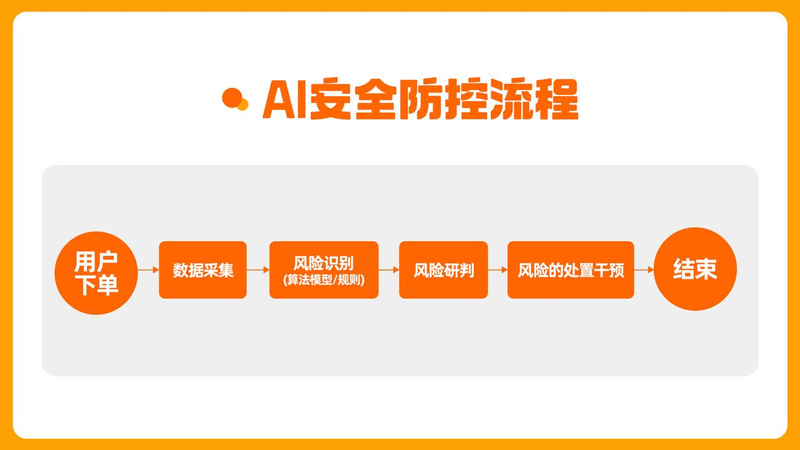
Core Insights - The article highlights the implementation of AI safety control and responsibility judgment algorithms by Huo La La, aiming to address safety and fairness concerns of truck drivers while enhancing operational efficiency in the logistics industry [1][2]. Group 1: AI Technology Application - Huo La La is shifting AI technology from a "back-end" role to a "front-end" application, focusing on serving new employment forms and addressing the needs of truck drivers [1]. - AI is identified as a key link for balancing safety, efficiency, and fairness in platform-based enterprises like Huo La La, which connects millions of users and drivers [1]. Group 2: Safety and Responsibility Concerns - Safety and responsibility determination are the two primary concerns for truck drivers, with 44.34% of drivers desiring more humane fatigue driving management and 28.13% facing disputes due to overload requirements [2]. - Huo La La's AI safety control system intervenes throughout the entire process, automatically detecting high-risk scenarios and implementing measures to prevent unsafe practices, resulting in a 30% reduction in daily risk incidents related to dangerous goods transportation and violations [2]. Group 3: Fairness in Responsibility Judgment - The AI responsibility judgment system automates the collection of order information and driving trajectories to quickly determine responsibility for order cancellations, leading to a nearly 30% decrease in driver appeal rates [3]. - Huo La La emphasizes the importance of driver feedback in the iterative process of AI algorithm development, transitioning drivers from passive recipients to active participants in technology application [3]. Group 4: Industry Implications - The integration of technology innovation with laborer needs is seen as essential for ensuring that AI contributes positively to the logistics industry, promoting safety and fairness [3].
破解安全和判责难题,AI让货运加速跑
Xin Jing Bao· 2025-11-07 03:36
Core Viewpoint - The logistics industry is becoming a crucial support for the national economy, with freight volume expected to exceed 5.9 billion tons by 2025, but faces significant safety and accountability challenges that hinder high-quality development [1] Group 1: Industry Challenges - The logistics industry is experiencing rapid growth in freight demand, but long-standing issues such as cargo loading with personnel, hazardous materials transport, and fatigue driving pose safety risks [1] - Traditional safety control methods and manual accountability processes are inadequate for the high-frequency demands of the logistics sector [1] Group 2: AI Applications in Safety and Accountability - AI technology is being increasingly applied to address safety and accountability issues in the logistics sector, with a focus on enhancing driver safety and improving accountability experiences [2][4] - The AI safety prevention system developed by Huolala can intelligently identify risks such as "cargo loading with personnel," "hazardous materials transport," "fatigue driving," and "cargo overload," providing targeted interventions [4][12] Group 3: Efficiency and Data Analysis - Huolala's AI systems can analyze vast amounts of operational data, reducing the number of risk incidents by 30% and decreasing accountability resolution time from 72 hours to 48 hours [7][8] - The AI algorithms cover the entire process from order placement to delivery, ensuring compliance and safety throughout the logistics chain [7] Group 4: Impact of AI Implementation - After the full application of AI, daily risk incidents related to hazardous materials transport and illegal loading have decreased by 30%, with fatigue driving alerts triggered nearly 40,000 times daily [8][10] - The AI systems aim to clarify responsibilities fairly and efficiently, enhancing the overall service experience for users and drivers while ensuring the quality and trustworthiness of logistics services [12]