AI猫砂盆

Search documents
AI养宠神器,收割年轻人
虎嗅APP· 2026-01-02 03:16
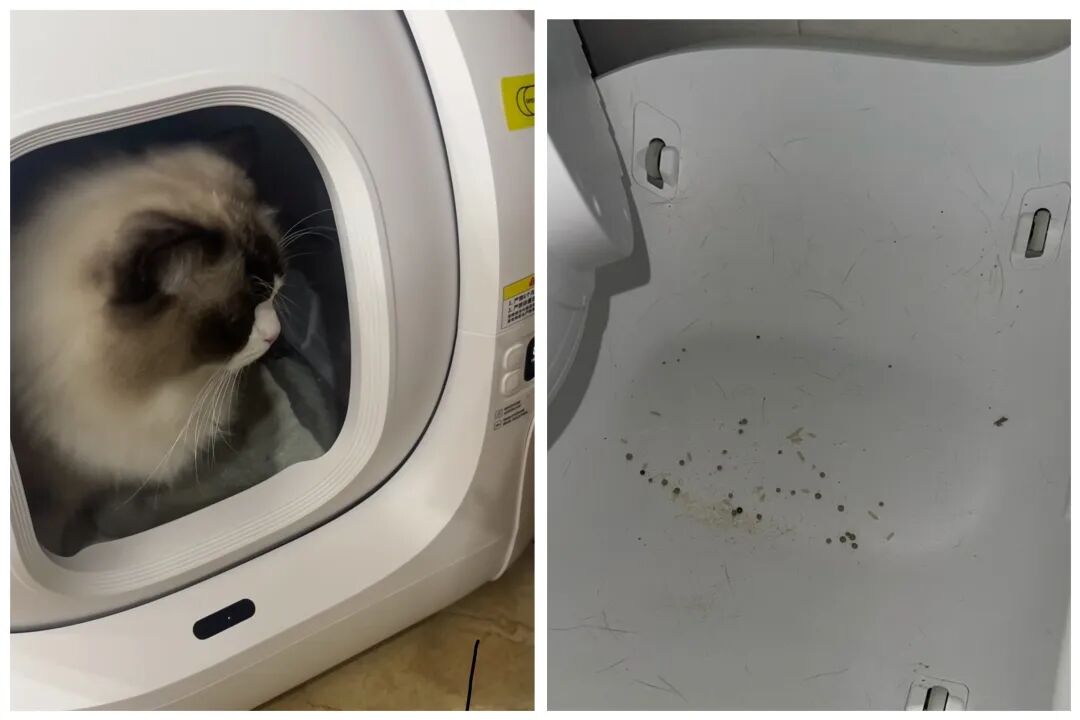
Core Viewpoint - The article discusses the rise of "smart pet products" in China, highlighting the willingness of young pet owners to spend significantly on these items despite skepticism about their actual effectiveness and value [4][19]. Market Overview - The smart pet products market in China is projected to reach approximately 10.2 billion yuan in 2024, accounting for 20% of the pet supplies market, with an expected growth to 11 billion yuan by 2025 [4]. Consumer Experience - Young pet owners, such as Zhu Ying, have invested in high-priced smart products like AI litter boxes, believing they would provide health monitoring for their pets, only to find the products underperforming and often malfunctioning [6][8]. - Zhu Ying's experience with the AI litter box revealed that its health monitoring features were inaccurate, leading to unnecessary vet visits and ultimately disappointment with the product [8][9]. - Another consumer, Zhang Cheng, faced similar issues with an AI smart collar, which provided inconsistent health metrics and failed to deliver on its promises, leading to frustration and a loss of trust in such products [12][14]. Product Quality Concerns - Many smart pet products, including AI litter boxes and collars, have been criticized for poor quality and functionality, with reports of malfunctions and inadequate customer service [9][17]. - The article suggests that the actual production cost of these AI products is significantly lower than their retail prices, raising questions about their value proposition [11][18]. Shift in Consumer Attitudes - Following negative experiences, consumers like Zhu Ying and Zhang Cheng have reverted to traditional pet care methods, relying on direct observation and professional veterinary services rather than AI technology [20][21]. - The article concludes that young pet owners are becoming increasingly skeptical of AI claims in pet products, indicating a potential shift away from reliance on technology in pet care [19][22].

AI养宠神器,收割年轻人
3 6 Ke· 2025-12-31 09:33
Core Insights - The trend of "refined pet care" among young consumers leads to a willingness to spend on pets while being frugal in other areas, resulting in significant investments in high-tech pet products like AI litter boxes and collars [1][2] Industry Overview - The Chinese smart pet products market is projected to reach approximately 10.2 billion yuan in 2024, accounting for 20% of the pet products market, with expectations to grow to 11 billion yuan by 2025 [1] Consumer Experience - Young consumers, such as Zhu Ying, initially attracted to AI pet products for their health monitoring capabilities, often find the actual performance disappointing, leading to feelings of being misled [5][10] - Common issues reported include inaccurate health monitoring, malfunctioning features, and poor product quality, resulting in consumers reverting to traditional, less expensive alternatives [6][19] Market Sentiment - There is a growing skepticism among young pet owners regarding the effectiveness of AI pet products, with many now viewing them as overpriced gimmicks rather than valuable tools [17][19] - Consumers are increasingly opting for simpler, more reliable solutions for pet care, such as basic litter boxes and health monitoring through regular vet visits, rather than relying on AI technology [19]