AI魔改视频

Search documents
国家广播电视总局开展专项行动
Ke Ji Ri Bao· 2026-01-05 06:06
Core Viewpoint - The National Radio and Television Administration will implement a one-month special governance initiative starting January 1, 2026, to address the proliferation of "AI-modified" video content that distorts classic characters and narratives [1][3]. Group 1: Governance Measures - The special governance will focus on cleaning up "AI-modified" videos based on classic literature, historical themes, revolutionary subjects, and heroic figures that severely violate the original spirit and character portrayal [1]. - The initiative aims to eliminate content that promotes violence, lowbrow entertainment, and incorrect values, as well as address issues of cultural appropriation and misrepresentation of Chinese history [1][3]. - Online video platforms are required to take responsibility for content review, ensuring the removal of non-compliant content and addressing accounts that frequently violate regulations [3]. Group 2: Legal and Ethical Considerations - Modifying classic film and television clips using AI poses significant copyright infringement risks, as it constitutes unauthorized reproduction and adaptation [2]. - Legal experts emphasize that altering an actor's image or performance could further infringe on their rights, increasing the risk of legal repercussions for platforms hosting such content [2]. - There is a call for short video platforms to take on a gatekeeping role, limiting the spread of content that includes violence or vulgarity [2]. Group 3: Technological Solutions - Recommendations include developing specialized algorithmic models to identify characteristics of "AI-modified" videos, such as unnatural edits and audio-visual mismatches [3]. - Platforms are encouraged to establish user reporting channels to facilitate the reporting of infringing or harmful "AI-modified" content [3]. - The National Radio and Television Administration plans to summarize the governance outcomes and develop comprehensive measures for ongoing management and normalization of content governance [3].
重拳整治“AI魔改”视频乱象
Ke Ji Ri Bao· 2026-01-04 03:09
Core Viewpoint - The Chinese government is launching a month-long special governance initiative starting January 1, 2026, to address the proliferation of "AI-modified" video content on short video platforms, focusing on protecting cultural integrity and preventing the spread of inappropriate content [1][2]. Group 1: Governance Measures - The initiative will target videos that significantly distort the essence of classic works, historical themes, revolutionary subjects, and iconic figures, including those that promote violence, vulgarity, or incorrect values [1][2]. - The governance will also address the modification of beloved animated characters for children, which could lead to the creation of inappropriate content [1]. Group 2: Responsibilities of Platforms - Short video platforms are urged to take responsibility for content moderation, including limiting, removing, or banning accounts that distribute infringing or harmful content [2]. - The initiative emphasizes the need for platforms to enhance content review processes and to implement stricter measures against accounts that frequently violate guidelines [2]. Group 3: Technological Solutions - Experts suggest that platforms should develop specialized algorithms to identify characteristics of "AI-modified" videos, such as unnatural edits and audio-visual mismatches, to facilitate better content moderation [2]. - Establishing user reporting channels is recommended to encourage the community to report infringing or harmful "AI-modified" content [2]. Group 4: Future Directions - After the governance period, the National Radio and Television Administration plans to summarize findings and develop comprehensive measures to ensure ongoing and effective governance of "AI-modified" content [2].
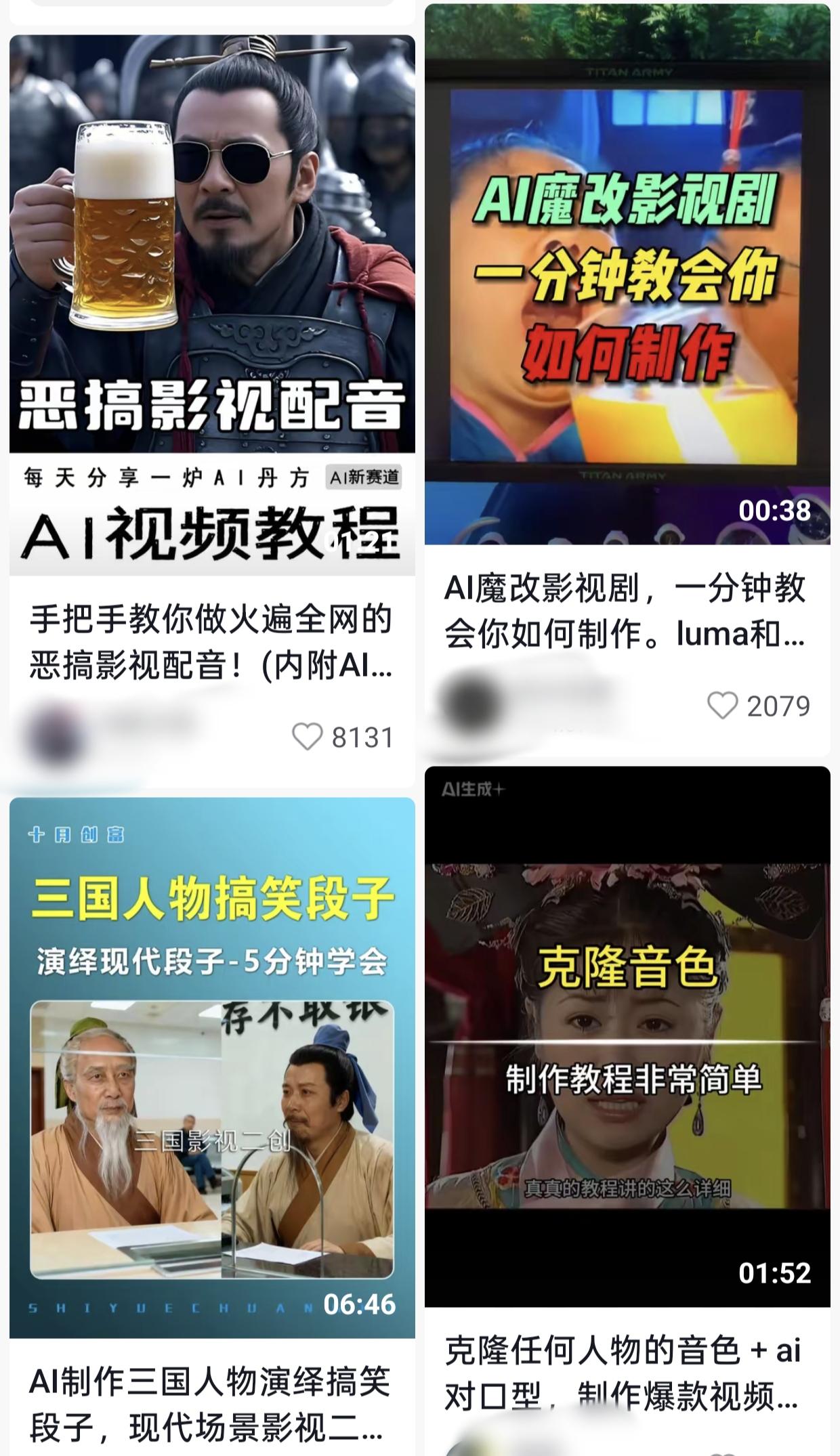
孙悟空机枪扫射沙僧?广电总局开展“AI魔改”视频专项治理
Nan Fang Du Shi Bao· 2026-01-01 13:28
Core Viewpoint - The rise of AI-generated "magic modifications" of classic films and historical narratives is leading to significant alterations in original content, prompting regulatory responses from authorities to address potential cultural and legal issues [1][9]. Group 1: AI Magic Modifications - AI tools are being used to create videos that dramatically alter classic narratives, such as turning "The Legend of Zhen Huan" into a gunfight scene or reimagining characters from "Dream of the Red Chamber" in violent contexts [2][3]. - These modifications often involve changing dialogue and character actions, resulting in a disconnection from the original themes and values of the works [3][4]. - The process of creating these videos has been simplified into a three-step template: generating text with AI, creating video from that text, and editing for publication, making it accessible to a wide audience [4][8]. Group 2: Cultural and Legal Concerns - There are concerns that these AI modifications undermine traditional culture and misrepresent historical narratives, leading to a loss of original context and meaning [3][9]. - The Chinese government has recognized the potential legal risks associated with these modifications, emphasizing the need for copyright authorization and respect for the original works' integrity [8][9]. - A nationwide initiative will begin on January 1, 2026, to regulate and clean up AI-modified videos, with a focus on protecting cultural heritage and ensuring responsible content creation [9].