AST6200型350nm步进光刻机

Search documents
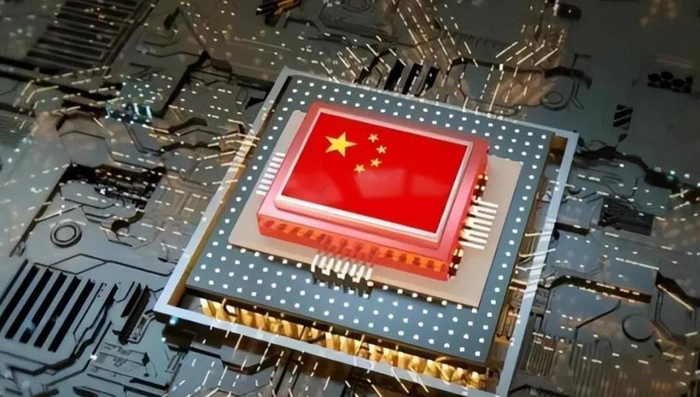
中国可能成为荷兰和日本后,第三个独立制造光刻机的国家
Xin Lang Cai Jing· 2025-12-06 16:27
Group 1 - The global semiconductor equipment market is undergoing significant changes, with photolithography machines being recognized as the "crown jewel" of industrial manufacturing [1] - China is making breakthrough advancements in photolithography technology, potentially becoming the third country after the Netherlands and Japan to possess a complete independent manufacturing capability for photolithography machines [1][3] - The current photolithography market is dominated by ASML from the Netherlands in the high-end segment, while Japan's Nikon and Canon hold significant shares in the DUV sector [3] Group 2 - China is adopting a pragmatic "dual development" strategy, aiming to narrow the technological gap in advanced silicon-based processes while also capturing market share in emerging fields like compound semiconductors through differentiated competition [3] - The AST6200 model 350nm stepper photolithography machine from Shanghai AMIES exemplifies this strategy, targeting the core needs of the third-generation semiconductor market with a precision of 80 nanometers on the front and 500 nanometers on the back [3] - The core components of the AST6200 are almost entirely manufactured in China, showcasing the country's progress in achieving a complete supply chain [3] Group 3 - China's photolithography industry is innovating in its research and development paradigm by incorporating big data and artificial intelligence, which enhances equipment yield and reduces debugging cycles and maintenance costs [4] - The 100% independent development of software from the underlying drivers to process management further strengthens the resilience of China's photolithography supply chain, allowing for normal operation even under external technological blockades [4] Group 4 - Despite significant progress, China's photolithography industry faces substantial challenges, particularly in the high-end sector where ASML's technological advantage remains unshaken [5] - The demand for mature process chips is expected to continue rising due to rapid developments in artificial intelligence, the Internet of Things, and new energy vehicles, providing a broad training ground for Chinese photolithography companies [5] - The industry is transitioning from a "from nothing to something" phase to a "from something to excellence" phase, with the potential to reshape global semiconductor supply chain competition rules once China can independently manufacture photolithography machines that meet most market demands [5]