Agent应用MiniMax

Search documents
智谱与MiniMax:中国AI双雄的港股竞速
Tai Mei Ti A P P· 2026-01-09 02:28
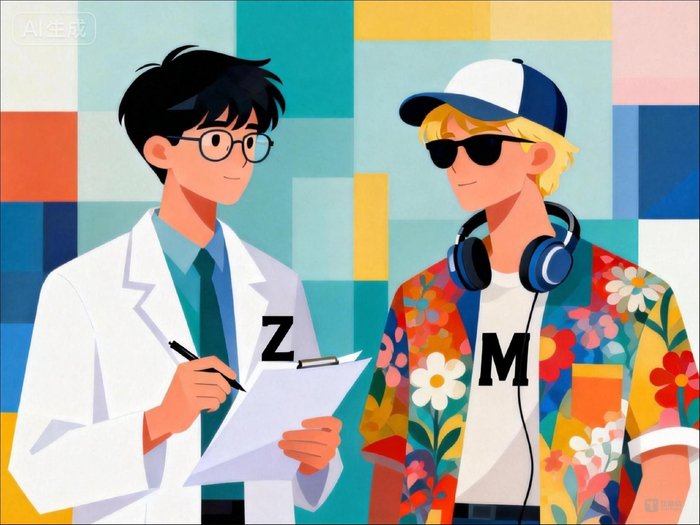
Core Insights - The article discusses the contrasting paths of two AI companies, Zhipu AI and MiniMax, as they both prepare for their IPOs on the Hong Kong Stock Exchange, highlighting their different backgrounds and strategies in the AI industry [2][19]. Company Backgrounds - Zhipu AI was founded in 2019, emerging from the AMiner system developed at Tsinghua University, with significant backing from state-owned enterprises and a focus on B2B and government contracts [3][10]. - MiniMax was established in 2022 by Yan Junjie, who previously worked at SenseTime, and has a strong emphasis on consumer-facing products and international capital [4][8]. Funding and Investment - Zhipu AI has completed 8 rounds of financing, raising a total of 8.3 billion RMB, with a pre-IPO valuation of 24.4 billion RMB, supported by a diverse range of investors including state-owned enterprises and top venture capital firms [10][11]. - MiniMax has raised approximately 1.556 billion USD (about 11.061 billion RMB) over 7 rounds, with a post-money valuation of 4.2404 billion USD (about 30.2 billion RMB) as of its last funding round [11][12]. Business Models and Revenue Streams - Zhipu AI's revenue model is primarily based on localized deployment and cloud services, with 84.8% of its revenue coming from local deployments, focusing on safety, compliance, and control [15][19]. - MiniMax's revenue is driven by consumer applications and subscriptions, with 71% of its income coming from AI-native products, although it faces challenges with low profit margins [16][18]. Technical Approaches - Zhipu AI focuses on the domestic full-stack transformation of dense models, utilizing local supercomputing resources and Huawei's Ascend chips, with a strong emphasis on engineering adaptability [14][15]. - MiniMax employs a mixed expert (MoE) architecture, optimizing for efficiency and cost-effectiveness in consumer applications, which aligns with its internet-centric strategy [16][17]. Market Positioning and Future Challenges - Zhipu AI's approach is characterized by heavy asset investment and compliance, aiming for stable B2B/G contracts, while MiniMax leverages lightweight architecture for rapid consumer growth and global expansion [19]. - Both companies face the challenge of establishing a sustainable business model post-IPO, with Zhipu AI focusing on government contracts and MiniMax navigating geopolitical uncertainties and high customer acquisition costs [19].