AiMe

Search documents
18家中国公司,在CES上给出消费级AI机器人新解
3 6 Ke· 2026-01-08 03:48
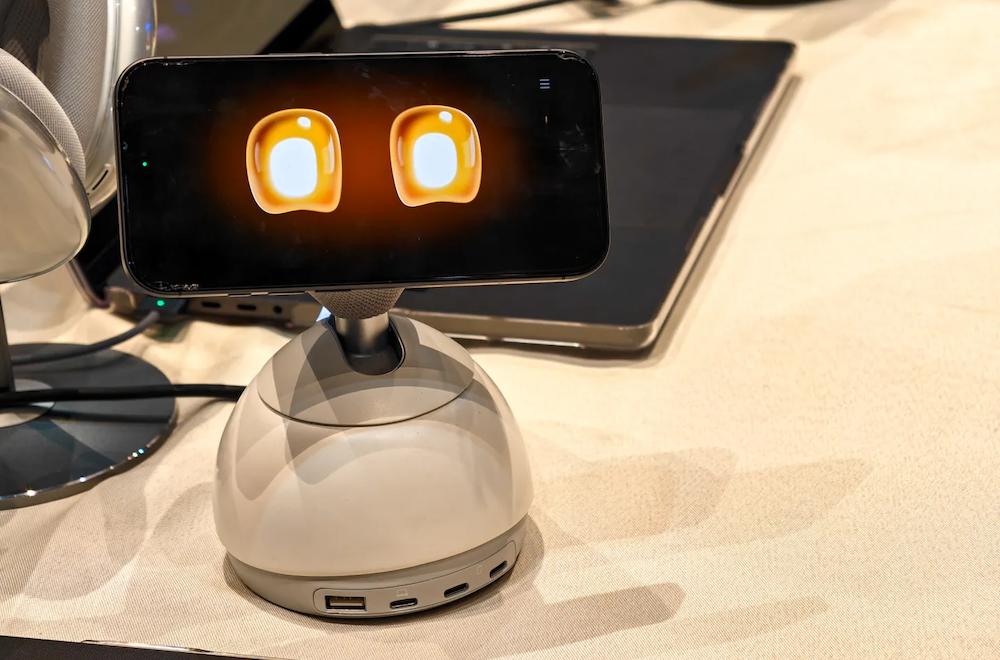
Core Insights - The article highlights the emergence of AI as a companion in daily life, showcased at CES 2026, with products designed to engage users emotionally and socially [1] Group 1: Product Innovations - Loona DeskMate is a new product that integrates with an iPhone to activate AI companionship features without built-in screens or cameras [2] - The DeskMate also includes an emotional interaction model and functions as a 180W fast-charging desktop power source [4] - Robie, a desktop pet, can recognize faces and emotions, enabling continuous dialogue and interaction [6] - Yonbo X1 is a growth-oriented family robot that adapts its content based on the child's age and features a personality system for role customization [8] - Enabot serves as an AI housekeeper that can interact with pets, conduct video calls, and monitor home security [9] - AiMe, developed by TCL, is a mobile home smart hub that recognizes user emotions and performs monitoring tasks [12] Group 2: Diverse AI Companions - Luka, a reading robot, can recognize and read from a vast library of over 70,000 bilingual picture books [14] - Ollobot's product line includes Ollo and OlloNi, which adapt their behavior based on user interactions and environmental changes [17][21] - BOOBOO is a flying emotional companion robot that uses AI to establish emotional connections with users [22][24] - Cocomo and Inu are robotic pets that interact through non-verbal communication and physical responses [25][27] - The product "话话糖" is a portable AI pet that can accompany users anywhere and engage in social interactions [28] - Eggi turns movement into a part of pet care, allowing children to learn responsibility through interaction [30] - W1, an interactive robot resembling Wall-E, supports emotional interaction and outdoor activities [36] Group 3: Market Trends - The presence of 18 Chinese companies at CES 2026 indicates a growing trend in AI companionship and educational robots, utilizing advanced technologies like AI interaction and multi-modal perception [1] - These products aim to create more natural interactions between humans and AI, with applications in education, caregiving, and emotional support [39]


保姆机器人来了!越来越“机”智,应用新空间打开
Yang Shi Xin Wen· 2025-07-28 16:38
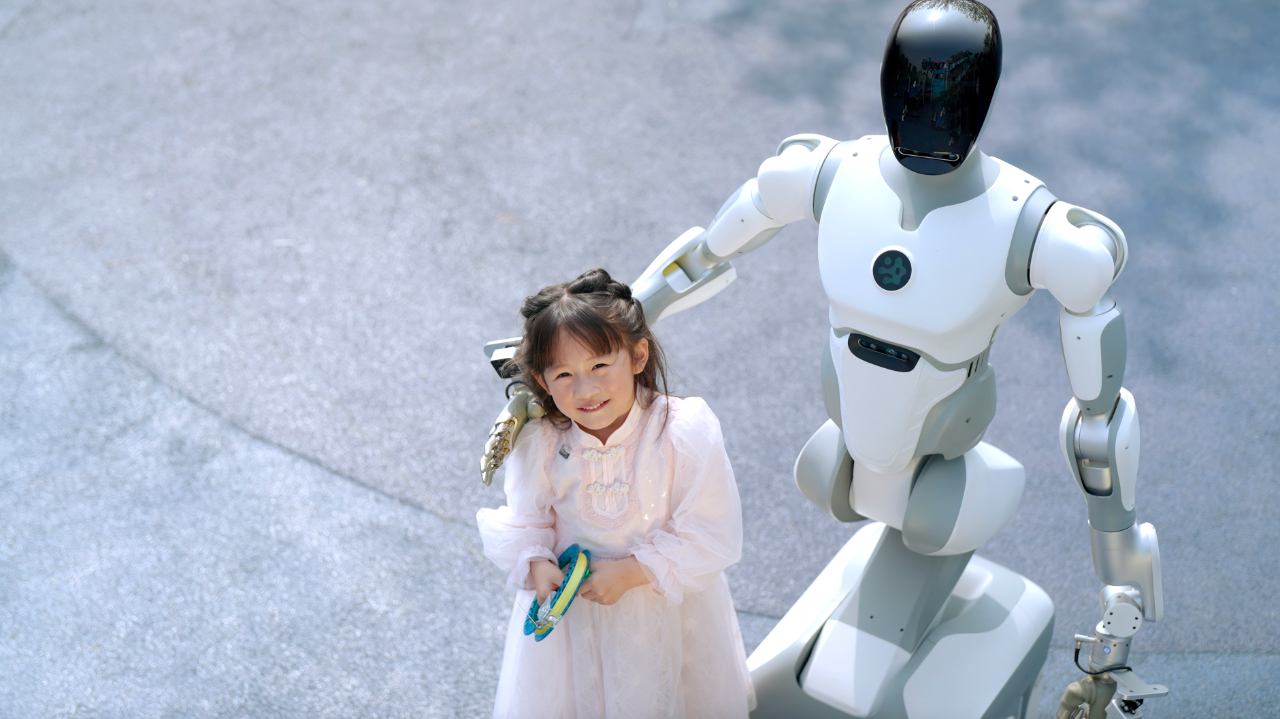
Industry Overview - The robot industry in China has experienced explosive growth, with industrial robot production increasing by 35.5% year-on-year to approximately 69,000 units, and service robot production rising by 13.8% to about 1.216 million units in May this year [2][23]. Types of Care Robots - Care robots are categorized into four main types: 1. Nursing assistance robots that help the elderly or those with mobility issues 2. Health monitoring robots that measure vital signs and remind users to take medication 3. Daily service robots that perform household chores like cleaning and cooking 4. Social companion robots that provide emotional support and entertainment [3][18]. Technological Advancements - Companies are developing advanced robots capable of performing complex tasks. For instance, the AlphaBot 2 can operate various coffee machines and perform a series of tasks autonomously, showcasing significant advancements in spatial awareness and machine learning [9][21]. Market Applications - Robots are increasingly being deployed in various sectors, including community care facilities and retail environments. For example, the Galbot G1 robot is operational in several unmanned pharmacies, managing inventory and fulfilling orders autonomously [14][16]. Challenges in Adoption - The integration of care robots into households faces several challenges, including the need for improved intelligence, high costs, and ensuring stability and safety in complex environments. Current prices for humanoid robots often exceed 10,000 yuan, limiting their market primarily to enterprises and institutions [18][22]. Future Prospects - The Chinese government has set ambitious goals for the humanoid robot industry, aiming for significant advancements by 2025 and 2027. The global humanoid robot market is projected to grow at a compound annual growth rate of 71% from 2021 to 2030, with China's market expected to reach approximately 870 billion yuan by 2030 [23].