
Aphranel®优法兰

Search documents
医美乱象频现!5万元美容针竟是“骨科材料”
Jing Ji Guan Cha Wang· 2025-11-20 02:31
Core Viewpoint - The misuse of hydroxyapatite (CaHA) in the medical beauty industry has come to public attention, highlighting potential violations in the use of products not approved for facial injections [2][3]. Group 1: Incident Overview - A citizen, Ms. Luo, spent 50,830 yuan on an injection of "Filinpril" at Hangzhou Sidarui Medical Aesthetic Clinic, which was later found to lack the necessary qualifications for facial aesthetic injections [2]. - Another complainant, Ms. Zhang, reported a similar issue of being charged for an injection that was not administered [2]. - The product "Filinpril" is developed by Sichuan Baiamon Biological Materials Company and is registered for use in bone defect repair, not for facial aesthetics [2][3]. Group 2: Regulatory and Compliance Issues - The Hangzhou Health Supervision Bureau has initiated an investigation into the clinic, raising questions about the "off-label" use of "Filinpril" [3]. - The use of hydroxyapatite in aesthetic applications is controversial, as it is primarily registered for orthopedic and dental treatments [3][4]. - There is a lack of clear legal guidelines regarding the off-label use of medical devices in China, leading to potential risks in compliance [6]. Group 3: Market Potential and Product Development - Despite the controversies, the market potential for hydroxyapatite in the medical beauty sector is viewed positively, with expectations for more compliant products to be approved by 2025 [7]. - Recent approvals include Aphranel® and Radiesse, which are now recognized for use in facial soft tissue filling, marking significant milestones in the industry [7][8]. - Companies are accelerating their development of compliant hydroxyapatite products to meet market demand while adhering to regulatory standards [9]. Group 4: Regulatory Measures and Industry Challenges - The medical beauty industry faces ongoing challenges, including unqualified institutions performing procedures and the use of non-compliant products [9][10]. - Recent regulatory actions have been taken to address illegal medical beauty practices, with multiple departments collaborating to enforce compliance [10]. - The national regulatory framework is evolving to enhance oversight across the beauty consumption sector, aiming for improved safety and quality standards by 2030 [10].

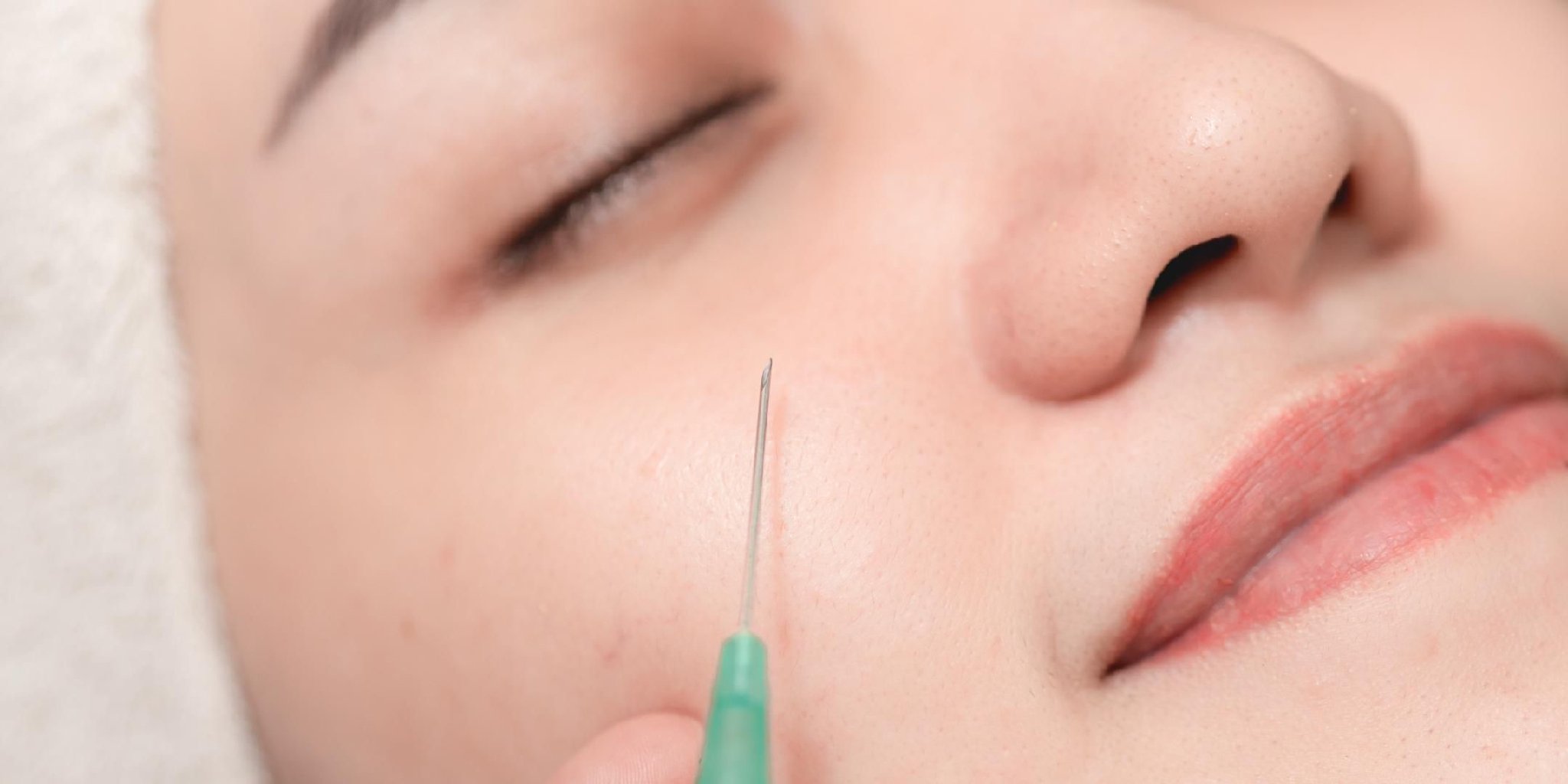
5万元美容针竟是骨科材料,医美行业再爆黑幕
21世纪经济报道· 2025-11-19 10:35
Core Viewpoint - The article highlights the misuse of hydroxyapatite (CaHA) in the medical beauty industry, particularly focusing on a case where a patient was charged for a treatment that was not properly administered, raising concerns about regulatory compliance and the potential for "off-label" use of medical materials [4][5][7]. Group 1: Case Study - A patient in Hangzhou spent 50,830 yuan on a treatment using a product called "Filinpril," which was later found to lack the necessary qualifications for facial aesthetic injections [4][5]. - The clinic failed to provide detailed information about the injection sites and the number of injections, leading to complaints from multiple patients about being charged for services not rendered [5][6]. Group 2: Regulatory Concerns - The article discusses the ongoing investigation by the health supervision authority into the clinic's practices, questioning whether the use of "Filinpril" constitutes "off-label" use [7]. - There is a growing concern about the widespread use of hydroxyapatite materials in aesthetic applications that may not align with their registered medical purposes, which primarily focus on orthopedic and dental applications [9][10]. Group 3: Market Potential and Product Approval - Despite the controversies, the market potential for hydroxyapatite in the medical beauty sector is viewed positively, with expectations for increased regulatory approvals for compliant products by 2025 [13][14]. - Recent approvals include Aphranel® and Radiesse, which are now recognized for use in facial soft tissue filling, marking significant milestones in the regulatory landscape [12][14]. Group 4: Industry Regulation and Compliance - The article emphasizes the need for stricter regulations and compliance measures in the medical beauty industry to address the misuse of products and ensure patient safety [16][18]. - Various local governments have initiated actions to combat illegal medical beauty practices, highlighting the importance of regulatory frameworks in maintaining industry standards [17][18].

美容护理行业周报:国内首款CaHA面部填充剂获批,关注美护新品发布情况
Shanghai Securities· 2025-03-03 03:03
Investment Rating - The industry investment rating is "Increase" (maintained) [9] Core Viewpoints - The report highlights the approval of China's first CaHA facial filler, Aphranel® by Moyang Bio, which is expected to perform well in the market due to its innovative micro-sphere structure and high biocompatibility [2] - Jinbo Bio reported a significant revenue increase of 85.40% year-on-year, reaching 1.447 billion yuan, with a net profit growth of 144.65% to 733 million yuan, driven by new product development and market expansion [3][4] - The report emphasizes the long-term potential for medical aesthetics penetration to continue increasing, suggesting a focus on companies like Giant Bio, Jinbo Bio, and others in the sector [9] Summary by Sections New Product Approvals - The report discusses the approval of Aphranel® as the first CaHA injection in China, noting its superior clinical performance and safety profile [2] - Jinbo Bio launched the world's first collagen net product, targeting eye area rejuvenation through advanced technology [4] Financial Performance - Jinbo Bio's financial results for 2024 show a revenue of 1.447 billion yuan, marking an 85.40% increase, and a net profit of 733 million yuan, reflecting a 144.65% growth [3] Market Trends - The report indicates a growing trend in the medical aesthetics market, with an expectation for increased penetration rates and competitive dynamics among brands [9] - It highlights the differentiation in cosmetic channels and the competitive landscape, suggesting that leading domestic brands are likely to continue outperforming [9]