
Radiesse(瑞德喜)

Search documents
医美乱象频现!5万元美容针竟是“骨科材料”
Jing Ji Guan Cha Wang· 2025-11-20 02:31
Core Viewpoint - The misuse of hydroxyapatite (CaHA) in the medical beauty industry has come to public attention, highlighting potential violations in the use of products not approved for facial injections [2][3]. Group 1: Incident Overview - A citizen, Ms. Luo, spent 50,830 yuan on an injection of "Filinpril" at Hangzhou Sidarui Medical Aesthetic Clinic, which was later found to lack the necessary qualifications for facial aesthetic injections [2]. - Another complainant, Ms. Zhang, reported a similar issue of being charged for an injection that was not administered [2]. - The product "Filinpril" is developed by Sichuan Baiamon Biological Materials Company and is registered for use in bone defect repair, not for facial aesthetics [2][3]. Group 2: Regulatory and Compliance Issues - The Hangzhou Health Supervision Bureau has initiated an investigation into the clinic, raising questions about the "off-label" use of "Filinpril" [3]. - The use of hydroxyapatite in aesthetic applications is controversial, as it is primarily registered for orthopedic and dental treatments [3][4]. - There is a lack of clear legal guidelines regarding the off-label use of medical devices in China, leading to potential risks in compliance [6]. Group 3: Market Potential and Product Development - Despite the controversies, the market potential for hydroxyapatite in the medical beauty sector is viewed positively, with expectations for more compliant products to be approved by 2025 [7]. - Recent approvals include Aphranel® and Radiesse, which are now recognized for use in facial soft tissue filling, marking significant milestones in the industry [7][8]. - Companies are accelerating their development of compliant hydroxyapatite products to meet market demand while adhering to regulatory standards [9]. Group 4: Regulatory Measures and Industry Challenges - The medical beauty industry faces ongoing challenges, including unqualified institutions performing procedures and the use of non-compliant products [9][10]. - Recent regulatory actions have been taken to address illegal medical beauty practices, with multiple departments collaborating to enforce compliance [10]. - The national regulatory framework is evolving to enhance oversight across the beauty consumption sector, aiming for improved safety and quality standards by 2030 [10].

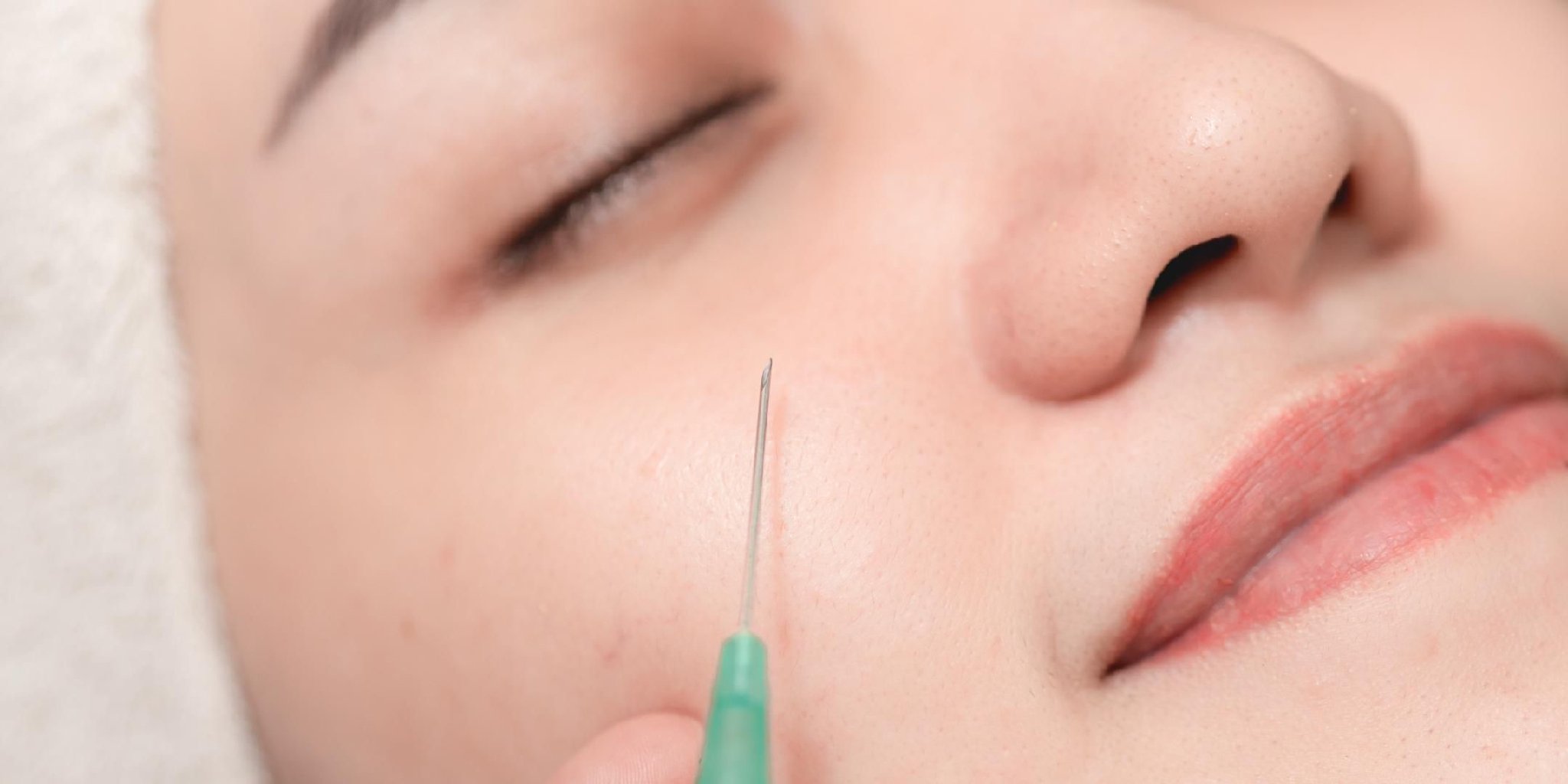
5万元美容针竟是骨科材料,医美行业再爆黑幕
2 1 Shi Ji Jing Ji Bao Dao· 2025-11-19 10:44
Core Viewpoint - The article highlights the misuse of hydroxyapatite (CaHA) in the medical beauty industry, particularly focusing on a case where a patient received an injection of a product called "Filinpril" that was not approved for facial aesthetic use, raising concerns about regulatory compliance and patient safety [1][5][12]. Summary by Sections Incident Overview - A citizen named Ms. Luo spent 50,830 yuan at Hangzhou Sidarui Medical Aesthetic Clinic for an injection of "Filinpril," which was claimed to stimulate collagen regeneration but was later found to lack the necessary qualifications for facial aesthetic injections [1][3]. Product Information - "Filinpril" is a brand under Chengdu Ruihe Pharmaceutical, developed by Sichuan Baiamon Biological Materials Co., and is registered as "hydroxyapatite biological ceramics" with a focus on bone defect repair and soft tissue enhancement [3][4]. Regulatory Actions - The Hangzhou Health Supervision Bureau has initiated an investigation into the clinic, questioning whether the use of "Filinpril" constitutes "off-label" use and highlighting the need for stricter regulations in the medical beauty sector [5][8]. Market Context - Hydroxyapatite is recognized for its biocompatibility and is used in various medical applications, including bone and dental treatments. However, its introduction into the aesthetic market has led to concerns about its application beyond approved indications [7][11]. Compliance and Industry Challenges - The article discusses the prevalence of "off-label" use of medical products in the aesthetic industry, with many products being used in ways not specified in their registration, raising compliance risks [8][13]. Regulatory Developments - Recent approvals for compliant hydroxyapatite products, such as Aphranel and Radiesse, indicate a shift towards more regulated use in aesthetic applications, yet issues of off-label use persist [12][13]. Industry Regulation Efforts - The article notes ongoing efforts by various health authorities to enhance regulatory frameworks and combat illegal practices in the medical beauty industry, including the establishment of compliance guidelines and enforcement actions against unlicensed operations [15][16].

5万元美容针竟是骨科材料,医美行业再爆黑幕
21世纪经济报道· 2025-11-19 10:35
Core Viewpoint - The article highlights the misuse of hydroxyapatite (CaHA) in the medical beauty industry, particularly focusing on a case where a patient was charged for a treatment that was not properly administered, raising concerns about regulatory compliance and the potential for "off-label" use of medical materials [4][5][7]. Group 1: Case Study - A patient in Hangzhou spent 50,830 yuan on a treatment using a product called "Filinpril," which was later found to lack the necessary qualifications for facial aesthetic injections [4][5]. - The clinic failed to provide detailed information about the injection sites and the number of injections, leading to complaints from multiple patients about being charged for services not rendered [5][6]. Group 2: Regulatory Concerns - The article discusses the ongoing investigation by the health supervision authority into the clinic's practices, questioning whether the use of "Filinpril" constitutes "off-label" use [7]. - There is a growing concern about the widespread use of hydroxyapatite materials in aesthetic applications that may not align with their registered medical purposes, which primarily focus on orthopedic and dental applications [9][10]. Group 3: Market Potential and Product Approval - Despite the controversies, the market potential for hydroxyapatite in the medical beauty sector is viewed positively, with expectations for increased regulatory approvals for compliant products by 2025 [13][14]. - Recent approvals include Aphranel® and Radiesse, which are now recognized for use in facial soft tissue filling, marking significant milestones in the regulatory landscape [12][14]. Group 4: Industry Regulation and Compliance - The article emphasizes the need for stricter regulations and compliance measures in the medical beauty industry to address the misuse of products and ensure patient safety [16][18]. - Various local governments have initiated actions to combat illegal medical beauty practices, highlighting the importance of regulatory frameworks in maintaining industry standards [17][18].

美护商社行业周报:提振消费专项行动方案出台,1-2月社零环比回暖-2025-03-18
Guoyuan Securities· 2025-03-18 06:44
Investment Rating - The report maintains a "Buy" rating for several companies in the consumer discretionary sector, including Proya, Betaini, and others [5][9]. Core Insights - The consumer discretionary sector is showing signs of recovery, with a notable increase in retail sales and positive market performance in sub-sectors like beauty care and travel [1][3][20]. - The implementation of the "Consumption Boost Action Plan" by the central government aims to enhance consumer spending through various initiatives, including income support and consumption upgrades [2][33]. - Retail sales for January-February 2025 reached 8.37 trillion yuan, reflecting a year-on-year growth of 4%, with online retail sales also showing a positive trend [20][27]. Market Performance - During the week of March 10-14, 2025, the Shenyin Wanguo indices for retail, social services, and beauty care increased by 2.50%, 3.71%, and 8.18% respectively, outperforming the broader market indices [12][14]. - Specific sub-sectors such as personal care products, hotel and restaurant services, and cosmetics saw significant gains, with increases of 7.79%, 5.14%, and 4.87% respectively [1][14]. Key Events and Announcements - The government has outlined 30 key tasks in the "Consumption Boost Action Plan," focusing on income growth, service quality improvement, and enhancing the consumption environment [2][33]. - Local initiatives, such as the implementation of a child-rearing subsidy in Hohhot, are expected to stimulate domestic demand further [2][33]. - Companies like Aimeike are actively pursuing acquisitions to expand their market presence, indicating a strategic focus on growth [34]. Retail Sales Breakdown - In January-February 2025, retail sales of goods totaled 7.39 trillion yuan, with a year-on-year increase of 3.9%, while catering revenue reached 0.98 trillion yuan, growing by 4.3% [20][24]. - The online retail sales of physical goods amounted to 1.86 trillion yuan, reflecting a year-on-year growth of 5% [27][31]. Sector-Specific Performance - The "old-for-new" consumption policy has positively impacted various categories, with significant growth in retail sales for communication equipment (26.2%), cultural and office supplies (21.8%), and home appliances (10.9%) [31][32]. - In the optional consumption category, cosmetics, gold and silver jewelry, and clothing saw retail sales growth of 4.4%, 5.5%, and 3.3% respectively [31][32].