医美材料

Search documents
胶原蛋白价格战开打,同功效产品价差三四倍
21世纪经济报道· 2026-02-09 10:34
Core Viewpoint - The medical beauty injection market is experiencing unprecedented differentiation, with high-end collagen products priced around ten thousand yuan and domestic hyaluronic acid rapidly capturing the mid-to-low-end market with over 70% market share. Domestic collagen manufacturers are caught in a strategic dilemma between engaging in price wars or restructuring their value systems [1][2]. Market Growth and Dynamics - The retail market size for medical beauty injections in China has grown from 25.7 billion yuan in 2018 to 67 billion yuan in 2023, with a compound annual growth rate (CAGR) of 21.1%, and is expected to exceed 147 billion yuan by 2027, driven by technological iterations and upgraded consumer demand for products like hyaluronic acid and collagen [1][2]. Competitive Landscape - The collagen market is characterized by a "strong at both ends, weak in the middle" structure, where imported brands dominate the high-end market with prices between 8,000 to 12,000 yuan, while numerous new entrants flood the mid-to-low-end market with prices dropping below 1,000 yuan [6][11]. Pricing and Quality Issues - The price war has led to chaotic pricing in the market, with price differences for similar products reaching three to four times. Many institutions use low-priced products for customer acquisition, resulting in poor satisfaction and damage to brand reputation [2][7]. Technological Competition - High-quality animal collagen production costs range from 800 to 1,200 yuan, while recombinant collagen can be produced for under 200 yuan, explaining the presence of low-priced products in the market. The market is currently undergoing a reassessment of collagen products [8][10]. R&D and Investment Trends - Companies like Faiman Biotech are investing significantly in R&D, with annual R&D expenditures constituting 15% to 18% of revenue, surpassing the industry average of 8%. This investment is expected to translate into technological advantages [12][16]. Regulatory and Market Changes - The regulatory environment is tightening, with increased inspections leading to production halts for non-compliant companies. The capital market is shifting focus towards companies with core technological patents and comprehensive quality control systems [15][16]. Future Outlook - The industry is expected to shift from price sensitivity to value assessment, with a need for a comprehensive evaluation system that includes raw material sourcing, production processes, and long-term safety data. The market is anticipated to stabilize as consumer awareness of safety and quality increases [15][17].

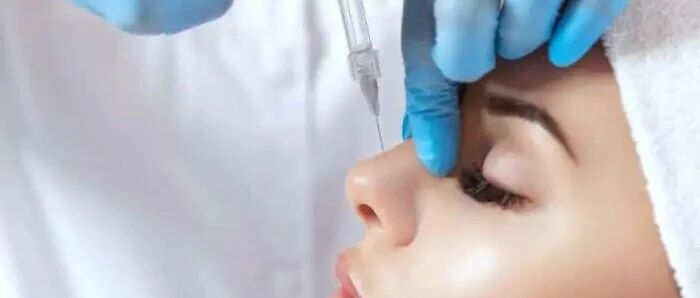
对话张余光:当我们谈论医美「年轻态」,到底有哪些标准?
3 6 Ke· 2025-12-22 05:42
Core Insights - The domestic medical beauty market is at a critical juncture in 2025, with increasing public demand for anti-aging and youthfulness, shifting from blind imitation to a pursuit of natural beauty and "Eastern aesthetics" [1] - The rise in personalized and refined medical beauty needs is accompanied by a surge in the supply of products and materials, including the approval of collagen-stimulating materials [1] - However, concerns such as overfilling and unnatural appearances are causing hesitation among consumers [1] Group 1: Changes in Aesthetic Trends - Over the past 20 years, the Chinese medical beauty market has evolved from "blind imitation" to "self-awareness," with a growing emphasis on natural beauty and overall youthfulness rather than specific features [2] - The current trend reflects a mature aesthetic understanding, focusing on holistic improvements rather than isolated cosmetic changes [2] Group 2: Objective Standards for Youthfulness - The industry has introduced two key objective indicators for assessing facial youthfulness: the concept of "facial fold lines" and "facial contour lines," which help define youth from an anatomical perspective [3][4] - The treatment goals for facial rejuvenation include restoring the inner contour line from a straight line to a fuller curve and correcting the outer contour from a curve back to a straight line [5] Group 3: Development of Medical Beauty Materials - Hyaluronic acid is highlighted for its unique advantages, including high safety, immediate effectiveness, predictable results, and reversibility, making it a preferred choice for facial filling [6] - Issues like overfilling and displacement are primarily attributed to improper techniques rather than the materials themselves [6] - The treatment logic for correcting overfilling has evolved to include restoring tissue to a youthful state after material removal, rather than simply extracting the filler [7] Group 4: Challenges with Other Fillers - Other fillers, such as collagen stimulators, present more challenges in terms of reversibility and correction due to their compatibility with the body's tissues [8] - The choice between immediate results with hyaluronic acid and long-term benefits from collagen stimulators depends on the consumer's expectations [9][10] Group 5: Consumer Guidance and Market Trends - Consumers are advised to avoid being "guinea pigs" for new products and to choose those with extensive clinical research backing [11] - Selecting qualified medical professionals is crucial, as their recommendations should prioritize medical needs over sales performance [11] - The overall experience in medical beauty is influenced by product quality, consumer aesthetics, and the skill of the physician, emphasizing the importance of continuous education for practitioners [11]
骨科材料“超范围”填充面部,医美超适应证风险频发,如何解
Di Yi Cai Jing· 2025-12-17 12:52
Core Viewpoint - The phenomenon of the overuse of facial fillers in the medical beauty industry is a long-standing issue that remains in a gray area, with significant risks associated with improper application and unregulated practices [1][3]. Industry Overview - The non-surgical light medical beauty market in China, represented by injection and photonic treatments, has been growing steadily, projected to account for 64% of the entire medical beauty market by 2030 [1]. - The market has transitioned from a phase characterized by illegal practices such as "black medical beauty" to a new phase where new products and technologies are frequently misapplied [1][4]. Regulatory Environment - Regulatory bodies have begun to take action against the misuse of orthopedic materials in medical beauty, particularly focusing on the use of hydroxyapatite products beyond their approved indications [4]. - Multiple regions, including Beijing and Shenzhen, have conducted inspections and required medical beauty institutions to self-check their use of hydroxyapatite [4]. Product Usage and Risks - Hyaluronic acid dominates the global skin filler market with a 77% share, while hydroxyapatite, originally used in orthopedics and dentistry, holds a 7% share [3]. - Despite the approval of new products like hydroxyapatite for facial filling, the overuse of facial fillers remains a significant risk, often leading to irreversible consequences for patients [3][5]. Market Dynamics - The emergence of new injection materials is disrupting the traditional dominance of botulinum toxin and hyaluronic acid in the medical beauty filler market [5]. - The market is still heavily influenced by commercial interests, with some institutions prioritizing specific products over medical necessity [5]. Training and Expertise - There is a notable shortage of qualified aesthetic doctors in China, with only 0.2 plastic surgeons per 100,000 people compared to 2.3 in the U.S. and 2.5 in Japan, which exacerbates the risks associated with medical beauty procedures [10]. - The lack of professional training and the rapid turnover of aesthetic doctors contribute to the potential for medical risks in the industry [10]. Future Trends - As more public hospitals enter the light medical beauty market, the share of large medical beauty institutions is increasing, while smaller clinics face closure due to regulatory and operational pressures [10]. - The industry is expected to move towards more standardized processes for the application of medical beauty products, reducing the frequency of overuse incidents [10].
美妆融资逻辑变了!11月数据给出答案
Sou Hu Cai Jing· 2025-12-06 13:53
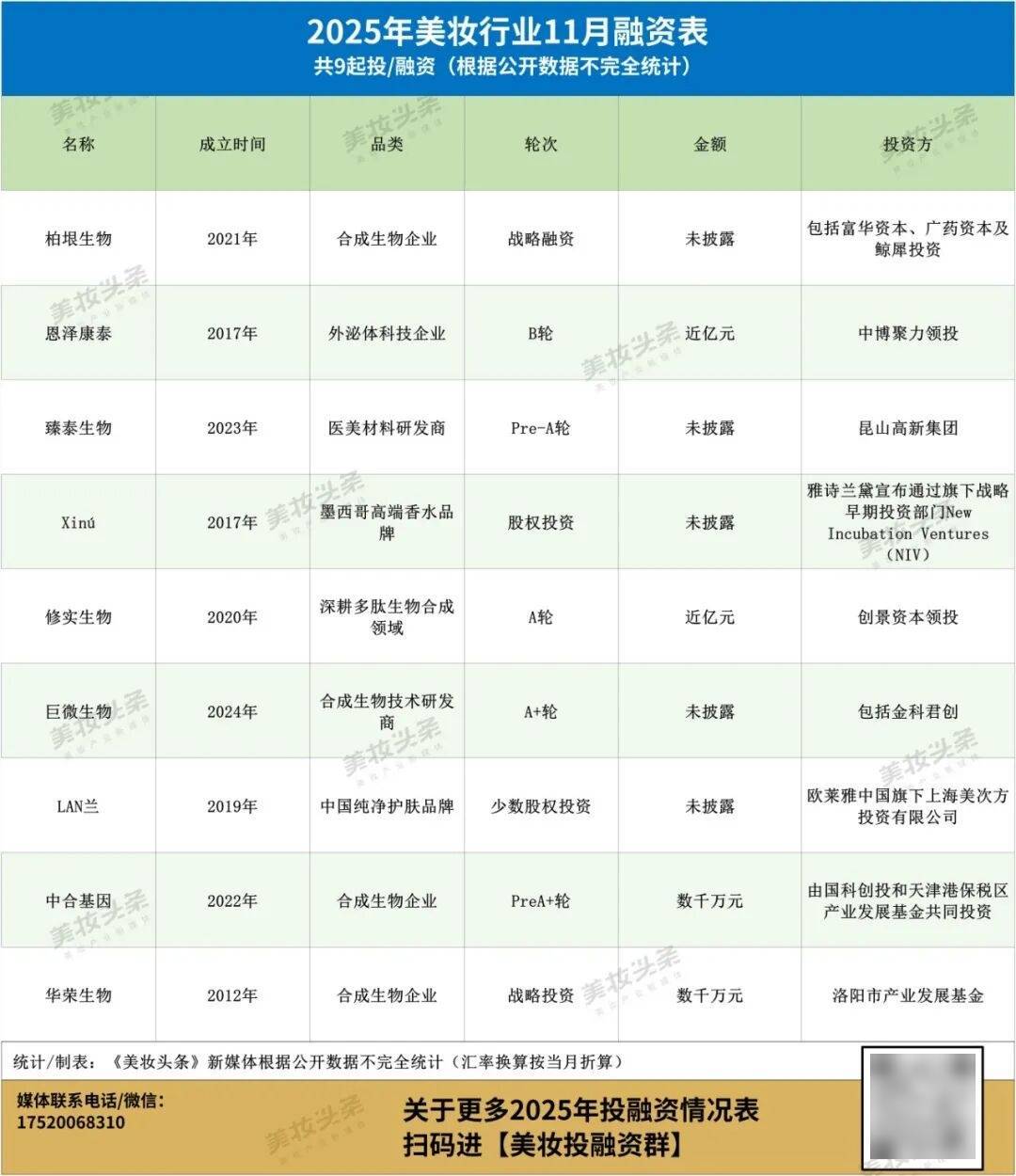
Core Insights - The financing market in November 2025 is characterized by a shift from a focus on traffic to a deeper valuation of the beauty industry, indicating a significant transformation in capital assessment logic [4][5] - The trend shows that capital is increasingly cautious, with a notable concentration of funds towards leading foreign brands, reflecting a "Matthew Effect" in the industry [5][6] Financing Overview - In November 2025, there were 9 financing events exceeding 200 million yuan, but the total financing amount of over 300 million yuan indicates a cooling market compared to previous years [4][5] - The number of financing cases has decreased significantly from 14 in November 2021 to just 5 in November 2024, highlighting a trend of capital retreat from domestic beauty brands [5][6] Upstream Sector Dynamics - The upstream sector remains hot, with 7 out of 9 financing cases involving upstream companies, particularly in synthetic biology, which aligns with the industry's trend towards sustainable and efficient production [6][7] - Notable financing events include nearly 100 million yuan raised by Xiushi Biopharmaceuticals and several million yuan investments in Huaron Biotech, both focusing on synthetic biology [9][11] Brand Investment Trends - Significant investments in brand segments include Estée Lauder's minority stake in the Mexican high-end perfume brand Xinú and L'Oréal's strategic investment in the Chinese pure skincare brand "LAN" [15][19] - The global fragrance market is projected to grow significantly, with estimates reaching between 57 billion to 61 billion USD in 2024, indicating strong potential for investment in this sector [17][19] Future Outlook - The changes in the beauty financing market reflect the natural evolution of the industry, with a focus on technological innovation and niche market development expected to drive future growth [20]

上万元一支的面部“骨性生物支架”火了!有这些坑→
第一财经· 2025-11-25 05:21
Core Viewpoint - Social media has become the primary information source for young cosmetic surgery consumers, with a focus on a new injectable material called Calcium Hydroxylapatite (CaHA), which is gaining popularity in the aesthetic market [3][5]. Market Overview - In the global dermal filler market, hyaluronic acid holds a dominant 77% market share, while Calcium Hydroxylapatite accounts for 7% [3]. - Merz Aesthetics' Radiesse is currently the only FDA-approved Calcium Hydroxylapatite facial filler, recently launched in China [5]. Regulatory and Compliance Issues - There are concerns regarding the high prices of these new products, leading to potential exploitation by some cosmetic institutions [6]. - Only two approved products for facial injection in China are Radiesse and Aphranel, while others are approved for non-weight-bearing bone defects [6]. - The use of Calcium Hydroxylapatite in aesthetic applications must adhere to strict regulatory standards, with a clear distinction between products intended for medical and aesthetic use [9]. Consumer Awareness and Safety - Consumers are advised to be cautious and verify the legitimacy of products before use, as many products are not intended for aesthetic applications [8][10]. - Misleading advertising and unverified information on social media pose significant risks to consumers, particularly younger individuals [10]. - The importance of using qualified medical professionals for injections is emphasized, as improper techniques can lead to serious complications [10].

上万元一支的面部“骨性生物支架”火遍小红书 还有这些坑需要避
Di Yi Cai Jing· 2025-11-25 05:18
Core Viewpoint - Social media has become the primary information source for young cosmetic consumers, with a growing interest in calcium hydroxyapatite (CaHA) as a regenerative injectable material, often referred to as the "hardest hyaluronic acid" [1] Market Overview - Hyaluronic acid currently holds a dominant 77% market share in the global dermal filler market, while calcium hydroxyapatite accounts for 7% [1] - Merz Aesthetics' Radiesse is the only FDA-approved calcium hydroxyapatite facial filler in the global market, recently approved in China [2] - Domestic companies such as Haohai Biological Technology, Huaxi Biological, and Juzhi Biological are actively developing calcium hydroxyapatite products, intensifying market competition [2] Regulatory and Safety Concerns - Only two calcium hydroxyapatite products are approved for facial injection in China, highlighting the limited scope of approved applications [2] - The use of calcium hydroxyapatite in cosmetic procedures is subject to strict regulatory oversight, requiring clinical trials for injectable products, which can take 6 to 7 years for approval [4] - There are concerns regarding the misuse of calcium hydroxyapatite products, with reports of unqualified products being injected in medical aesthetic clinics [2][4] Consumer Awareness and Risks - The medical aesthetic market faces challenges with misleading advertising and the promotion of unapproved products, leading to potential consumer harm [6] - Experts emphasize the importance of consumers verifying the legitimacy of products and the qualifications of practitioners before undergoing treatments [5][6] - The industry is marked by a disconnect between regulatory bodies, manufacturers, and medical aesthetic institutions, complicating compliance and consumer safety [4]
上万元一支的面部“骨性生物支架”火遍小红书,还有这些坑需要避
Di Yi Cai Jing· 2025-11-25 05:10
Core Viewpoint - Recent consumer complaints regarding unqualified products used in medical beauty clinics have sparked discussions about the off-label use of calcium hydroxyapatite (CaHA) aesthetic products [1][2] Industry Overview - Social media has become the primary information source for young consumers in the medical beauty sector, with many influencers promoting CaHA as a regenerative injection material [1] - In the global dermal filler market, hyaluronic acid holds a dominant 77% market share, while CaHA accounts for 7% [1] Product Approval and Market Competition - Merz Aesthetics' Radiesse is currently the only FDA-approved CaHA facial filler, which received approval from China's drug regulatory authority in March and has recently launched in the domestic market [2] - Domestic companies such as Haohai Biological Technology, Huaxi Biological, and Juzhi Biological are actively developing CaHA products, intensifying market competition [2] Regulatory and Safety Concerns - Only two approved CaHA fillers in China are indicated for facial injection, while others are approved for non-load-bearing bone defects [2] - The safety of CaHA as a biomaterial has been established since the 1970s, but its off-label use can lead to complications such as inflammation and nodules [3] Consumer Awareness and Risks - Approximately 200 CaHA products have been approved in China, primarily for orthopedic and dental use, not for aesthetic applications [4] - The regulatory framework requires medical devices and drugs to undergo strict classification and approval processes, but some manufacturers may use misleading marketing strategies [5] Recommendations for Consumers - Consumers are advised to seek treatment from reputable institutions and verify product authenticity before procedures [6] - Medical professionals performing CaHA injections must have the necessary qualifications and training to minimize risks [6] - Misleading advertising and unverified information on social media pose significant risks to consumers, particularly younger individuals [6]
医美乱象频现!5万元美容针竟是“骨科材料”
Jing Ji Guan Cha Wang· 2025-11-20 02:31
Core Viewpoint - The misuse of hydroxyapatite (CaHA) in the medical beauty industry has come to public attention, highlighting potential violations in the use of products not approved for facial injections [2][3]. Group 1: Incident Overview - A citizen, Ms. Luo, spent 50,830 yuan on an injection of "Filinpril" at Hangzhou Sidarui Medical Aesthetic Clinic, which was later found to lack the necessary qualifications for facial aesthetic injections [2]. - Another complainant, Ms. Zhang, reported a similar issue of being charged for an injection that was not administered [2]. - The product "Filinpril" is developed by Sichuan Baiamon Biological Materials Company and is registered for use in bone defect repair, not for facial aesthetics [2][3]. Group 2: Regulatory and Compliance Issues - The Hangzhou Health Supervision Bureau has initiated an investigation into the clinic, raising questions about the "off-label" use of "Filinpril" [3]. - The use of hydroxyapatite in aesthetic applications is controversial, as it is primarily registered for orthopedic and dental treatments [3][4]. - There is a lack of clear legal guidelines regarding the off-label use of medical devices in China, leading to potential risks in compliance [6]. Group 3: Market Potential and Product Development - Despite the controversies, the market potential for hydroxyapatite in the medical beauty sector is viewed positively, with expectations for more compliant products to be approved by 2025 [7]. - Recent approvals include Aphranel® and Radiesse, which are now recognized for use in facial soft tissue filling, marking significant milestones in the industry [7][8]. - Companies are accelerating their development of compliant hydroxyapatite products to meet market demand while adhering to regulatory standards [9]. Group 4: Regulatory Measures and Industry Challenges - The medical beauty industry faces ongoing challenges, including unqualified institutions performing procedures and the use of non-compliant products [9][10]. - Recent regulatory actions have been taken to address illegal medical beauty practices, with multiple departments collaborating to enforce compliance [10]. - The national regulatory framework is evolving to enhance oversight across the beauty consumption sector, aiming for improved safety and quality standards by 2030 [10].
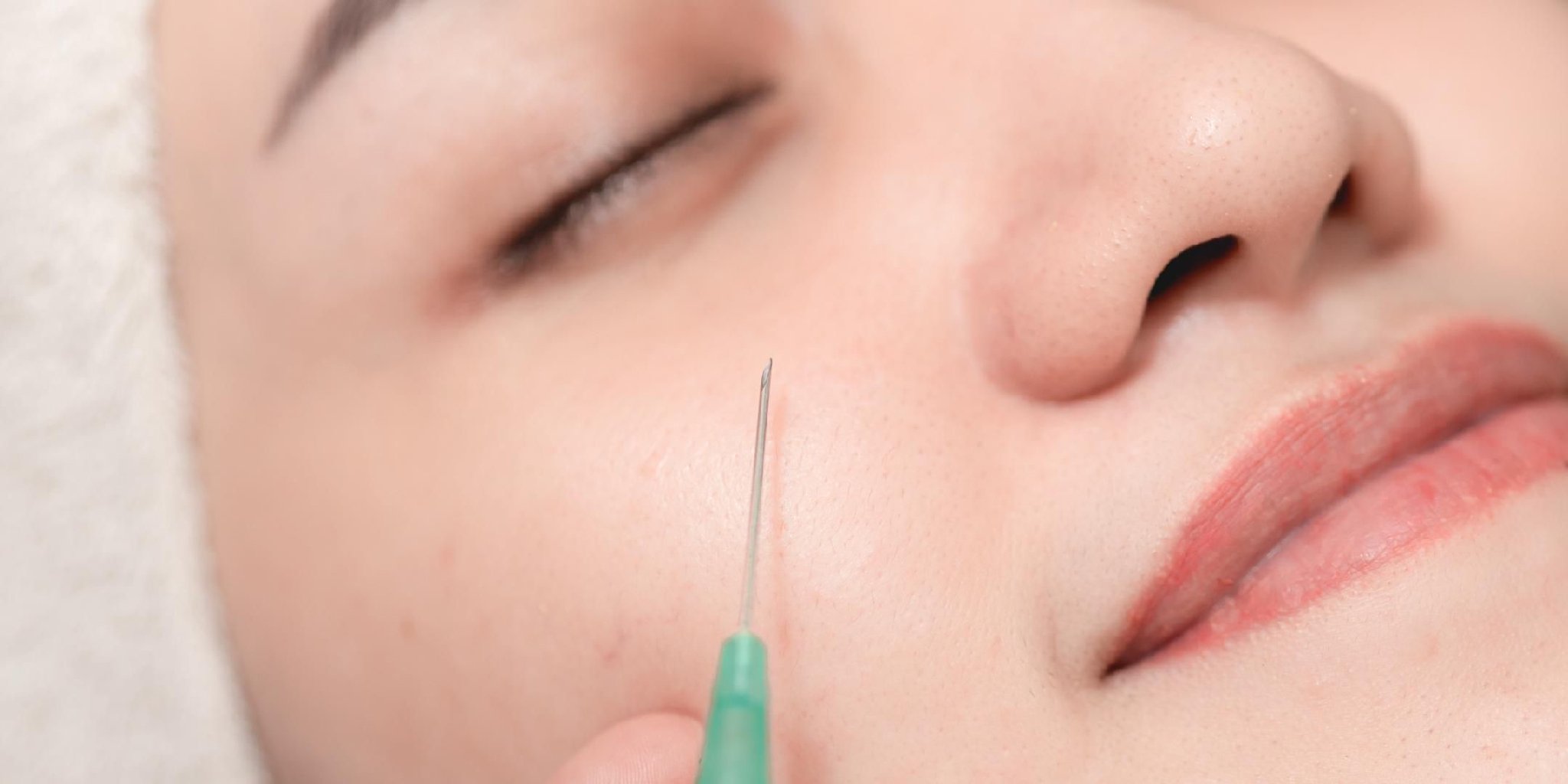
5万元美容针竟是骨科材料,医美行业再爆黑幕
2 1 Shi Ji Jing Ji Bao Dao· 2025-11-19 10:44
Core Viewpoint - The article highlights the misuse of hydroxyapatite (CaHA) in the medical beauty industry, particularly focusing on a case where a patient received an injection of a product called "Filinpril" that was not approved for facial aesthetic use, raising concerns about regulatory compliance and patient safety [1][5][12]. Summary by Sections Incident Overview - A citizen named Ms. Luo spent 50,830 yuan at Hangzhou Sidarui Medical Aesthetic Clinic for an injection of "Filinpril," which was claimed to stimulate collagen regeneration but was later found to lack the necessary qualifications for facial aesthetic injections [1][3]. Product Information - "Filinpril" is a brand under Chengdu Ruihe Pharmaceutical, developed by Sichuan Baiamon Biological Materials Co., and is registered as "hydroxyapatite biological ceramics" with a focus on bone defect repair and soft tissue enhancement [3][4]. Regulatory Actions - The Hangzhou Health Supervision Bureau has initiated an investigation into the clinic, questioning whether the use of "Filinpril" constitutes "off-label" use and highlighting the need for stricter regulations in the medical beauty sector [5][8]. Market Context - Hydroxyapatite is recognized for its biocompatibility and is used in various medical applications, including bone and dental treatments. However, its introduction into the aesthetic market has led to concerns about its application beyond approved indications [7][11]. Compliance and Industry Challenges - The article discusses the prevalence of "off-label" use of medical products in the aesthetic industry, with many products being used in ways not specified in their registration, raising compliance risks [8][13]. Regulatory Developments - Recent approvals for compliant hydroxyapatite products, such as Aphranel and Radiesse, indicate a shift towards more regulated use in aesthetic applications, yet issues of off-label use persist [12][13]. Industry Regulation Efforts - The article notes ongoing efforts by various health authorities to enhance regulatory frameworks and combat illegal practices in the medical beauty industry, including the establishment of compliance guidelines and enforcement actions against unlicensed operations [15][16].

新氧推出“奇迹童颜3.0”定价2999元,CEO金星:医美行业未必非要暴利
Xin Lang Ke Ji· 2025-09-23 11:08
Core Viewpoint - New Oxygen Technology has launched the Miracle Youth Needle 3.0 at a price of 2999 yuan, marking the lowest price in the history of youth needles, aiming to make aesthetic medical treatments more affordable for consumers [1] Group 1: Product Launch and Pricing Strategy - The price of youth needles in the market typically ranges from 13,000 to 24,000 yuan, while New Oxygen's previous versions were priced at 4999 yuan and 5999 yuan, significantly lower than competitors [1] - The CEO of New Oxygen stated that high prices in the mainland market are due to high procurement costs and upstream manufacturers controlling retail prices, and the company aims to challenge the notion that the aesthetic medical industry must rely on high profits [1] Group 2: Supplier Relations and Challenges - New Oxygen faced pressure from upstream manufacturers, including legal threats, when it attempted to lower prices with its earlier versions, which led to conflicts over pricing and product authenticity [1] - The company has now partnered with Xihong Bio, which does not impose price controls, to ensure a stable supply chain and maintain quality service for consumers [2] Group 3: Business Expansion and Operational Insights - New Oxygen has opened 37 clinics since May 2023, with plans to exceed 50 by the end of 2025 and aims for a long-term goal of establishing a presence in 100 cities [2] - Currently, the clinic operations are not profitable due to the costs associated with establishing a central support system, but the individual clinics have achieved monthly profitability, indicating potential for future overall profitability [2]