Aquarius

Search documents
Coca-Cola Europacific Partners(CCEP) - 2025 Q4 - Earnings Call Transcript
2026-02-17 13:02
Financial Data and Key Metrics Changes - The company reported revenue of EUR 20.9 billion, an increase of 2.8%, with comparable volumes marginally ahead [12][13] - Operating profit reached EUR 2.8 billion, up 7.1%, with an operating margin of 13.4%, an expansion of around 50 basis points [14] - Earnings per share (EPS) increased to EUR 4.11, up 6.2% on a comparable basis [14] - Free cash flow was strong at just over EUR 1.8 billion, after significant capital expenditures of nearly EUR 1 billion [15] Business Line Data and Key Metrics Changes - The non-alcoholic ready-to-drink (NARTD) category grew around 6% in value terms, with volume growth in Europe up 2% and Australia Pacific Southeast Asia (APS) up 5% [7] - The energy category saw a remarkable volume growth of nearly 20%, driven by strong performance from brands like Monster [9][66] - The ready-to-drink tea segment, particularly Fuze Tea, led the category in Iberia, contributing to overall growth [10] Market Data and Key Metrics Changes - The UK market, the largest revenue contributor, experienced nearly 6% revenue growth, with significant contributions from Coca-Cola Zero and Diet Coke [16] - In Australia, top-line performance excluding alcohol was impressive at 7%, marking the strongest growth in years [17] - Indonesia faced challenges with NARTD volumes down double digits, but there was an improving performance in the second half of the year [28] Company Strategy and Development Direction - The company is focused on executing a value creation strategy, generating EUR 4 billion for retail customers and returning EUR 4 billion to shareholders through dividends and buybacks [4] - There is a commitment to maximizing returns for shareholders, with a further EUR 1 billion share buyback planned [20] - The company is investing in digital capabilities and AI to enhance operations and decision-making processes [31][32] Management's Comments on Operating Environment and Future Outlook - Management expressed confidence in achieving organic revenue growth of 7% and profit sustainability over the midterm [33] - The company anticipates revenue growth of 3%-4% for 2026, driven by volumes and revenue per unit case [34] - Management acknowledged challenges in the consumer environment but remains optimistic about the company's positioning in growing categories [36] Other Important Information - The company has been recognized as a top employer and is investing in training for digital and AI capabilities [8] - Sustainability efforts continue, with progress in packaging collection and decarbonization initiatives [12] Q&A Session Summary Question: How did Europe perform in Q4, particularly in Germany and France? - Management noted a strong exit rate in Europe, with challenges in Germany and France due to higher promotional prices and tax increases impacting volumes [39][40] Question: What tailwind is expected from the World Cup? - Management highlighted extensive activation plans for the World Cup and EPL, aiming to engage consumers through promotions and on-pack activities [46][47] Question: What is the underlying growth excluding portfolio changes? - Management indicated that backing out portfolio changes would show growth between half a point and a point, aligning with midterm guidance [58][59] Question: What is the outlook for the energy category growth? - Management expects the energy category to maintain mid-teen growth levels, supported by innovation and distribution efforts [66] Question: What is the guidance for Indonesia's performance? - Management expects Indonesia to grow in volume and revenue, but has not reflected significant upside potential in guidance yet [78]

Coca-Cola Europacific Partners(CCEP) - 2025 Q4 - Earnings Call Transcript
2026-02-17 13:02
Financial Data and Key Metrics Changes - The company reported revenue of EUR 20.9 billion, an increase of 2.8%, with comparable volumes marginally ahead [12] - Operating profit reached EUR 2.8 billion, up 7.1%, with an operating margin of 13.4%, an expansion of around 50 basis points [14] - Earnings per share (EPS) increased to EUR 4.11, up 6.2% on a comparable basis [14] - Free cash flow was strong at just over EUR 1.8 billion, after significant capital expenditures of nearly EUR 1 billion [15] Business Line Data and Key Metrics Changes - The away-from-home channel saw robust top-line growth, contributing to overall market share gains [4] - The non-alcoholic ready-to-drink (NARTD) category grew around 6% in value terms, with Europe up 2% and Australia Pacific Southeast Asia (APS) up 5% [7] - The energy category experienced a remarkable 19% volume growth, driven by strong innovation and market demand [66] Market Data and Key Metrics Changes - The UK market, the largest revenue contributor, saw revenue growth of almost 6%, with significant contributions from Coca-Cola Zero and Diet Coke [16] - In Australia, top-line performance excluding alcohol was impressive at 7%, marking the strongest growth in years [17] - Indonesia faced challenges with NARTD volumes down double digits, but showed signs of improvement in the second half of the year [27] Company Strategy and Development Direction - The company is focused on creating value through strategic portfolio changes and investments in growth, with a commitment to maximizing shareholder returns [4][20] - There is an emphasis on innovation and premiumization while maintaining affordability, particularly in developed markets [22][23] - The company is leveraging technology and digital capabilities to enhance productivity and decision-making processes [31][32] Management's Comments on Operating Environment and Future Outlook - Management expressed confidence in achieving organic revenue growth of 7% and sustainable profit growth over the midterm [33] - The company anticipates revenue growth of 3%-4% for 2026, driven by volume and revenue per unit case [34] - Management acknowledged the challenges in the consumer environment but remains optimistic about the company's positioning in profitable categories [36] Other Important Information - The company returned EUR 1.9 billion to shareholders through dividends and buybacks, including a new EUR 1 billion share buyback program [15][20] - The company has been recognized as a top employer and is investing in digital and AI training for its workforce [8] Q&A Session Summary Question: How did Europe perform in Q4, particularly in Germany and France? - Management noted a strong exit rate in December, with challenges in Germany and France due to higher promotional prices and tax increases impacting volumes [39][40][41] Question: What is the expected free cash flow guidance for 2026? - The company guided for at least EUR 1.7 billion in free cash flow for 2026, reflecting increased CapEx investments [42] Question: What tailwind is expected from the World Cup? - Management highlighted extensive activation plans for the World Cup and EPL, aiming to engage consumers through promotions and on-pack activities [46][47] Question: What is the outlook for energy category growth? - Management expects the energy category to maintain mid-teen growth levels, supported by innovation and distribution improvements [66] Question: What is the potential for revenue growth management in mature markets? - Management sees significant opportunities for revenue growth through smarter pricing and promotional strategies, with ongoing flexibility in pack formats [73][74]
Coca-Cola Europacific Partners(CCEP) - 2025 Q4 - Earnings Call Transcript
2026-02-17 13:00
Financial Data and Key Metrics Changes - The company reported revenue of EUR 20.9 billion, an increase of 2.8%, with comparable volumes marginally ahead [12] - Operating profit reached EUR 2.8 billion, up 7.1%, with an operating margin of 13.4%, an expansion of around 50 basis points [13] - Earnings per share (EPS) increased to EUR 4.11, up 6.2% on a comparable basis [13] - Free cash flow was strong at just over EUR 1.8 billion, after significant capital expenditures of nearly EUR 1 billion [14] Business Line Data and Key Metrics Changes - The away-from-home channel saw robust top-line growth, contributing to overall market share gains [4] - The non-alcoholic ready-to-drink (NARTD) category grew approximately 6% in value terms, with Europe up 2% and Australia Pacific Southeast Asia (APS) up 5% [6] - The energy category experienced a remarkable 19% volume growth, driven by strong brand performance and innovation [64] Market Data and Key Metrics Changes - Great Britain (GB) reported nearly 6% revenue growth, with significant contributions from Coca-Cola Zero and Diet Coke [16] - APS delivered top-line performance, excluding alcohol, of 7%, marking its strongest growth in years [17] - Indonesia faced challenges with a double-digit decline in NARTD volumes, although there was an improvement in the second half of the year [28] Company Strategy and Development Direction - The company is focused on creating value through strategic portfolio changes and investments in growth, with a commitment to maximizing shareholder returns [4][20] - There is an emphasis on innovation and premiumization while maintaining affordability, particularly in developed markets [24] - The company is leveraging technology and digital capabilities to enhance operational efficiency and customer engagement [32] Management's Comments on Operating Environment and Future Outlook - Management expressed confidence in achieving organic revenue growth of 7% and sustainable profit growth over the midterm [34] - The company anticipates revenue growth of 3%-4% for 2026, driven by volume and revenue per unit case [34] - Management acknowledged challenges in certain markets but remains optimistic about recovery and growth potential [36] Other Important Information - The company returned EUR 1.9 billion to shareholders through dividends and buybacks, including a new EUR 1 billion share buyback program [15][20] - The company has been recognized as a top employer and is investing in digital and AI training for its workforce [8] Q&A Session Summary Question: How did Europe perform in Q4, particularly in Germany and France? - Management noted a strong exit rate in Q4, with challenges in Germany and France primarily due to higher promotional prices and tax increases impacting volumes [39][41] Question: What tailwind is expected from the World Cup? - Management highlighted extensive activation plans for the World Cup and EPL, aiming to engage consumers through promotions and on-pack activities [46][48] Question: What is the outlook for energy category growth? - Management expects the energy category to maintain mid-teen growth levels, supported by innovation and distribution improvements [64][66] Question: How is the company addressing revenue growth management in mature markets? - Management sees significant opportunities for revenue growth through smarter pricing and promotional strategies, with ongoing efforts to optimize pack offerings [72][74] Question: What is the outlook for Indonesia's market performance? - Management indicated a stronger finish to the year in Indonesia, with expectations for growth in both volume and revenue, while remaining cautious about guidance [77][78]
从概念萌芽到市场破局,日本功能性食品的半世纪风云
3 6 Ke· 2025-11-03 05:32
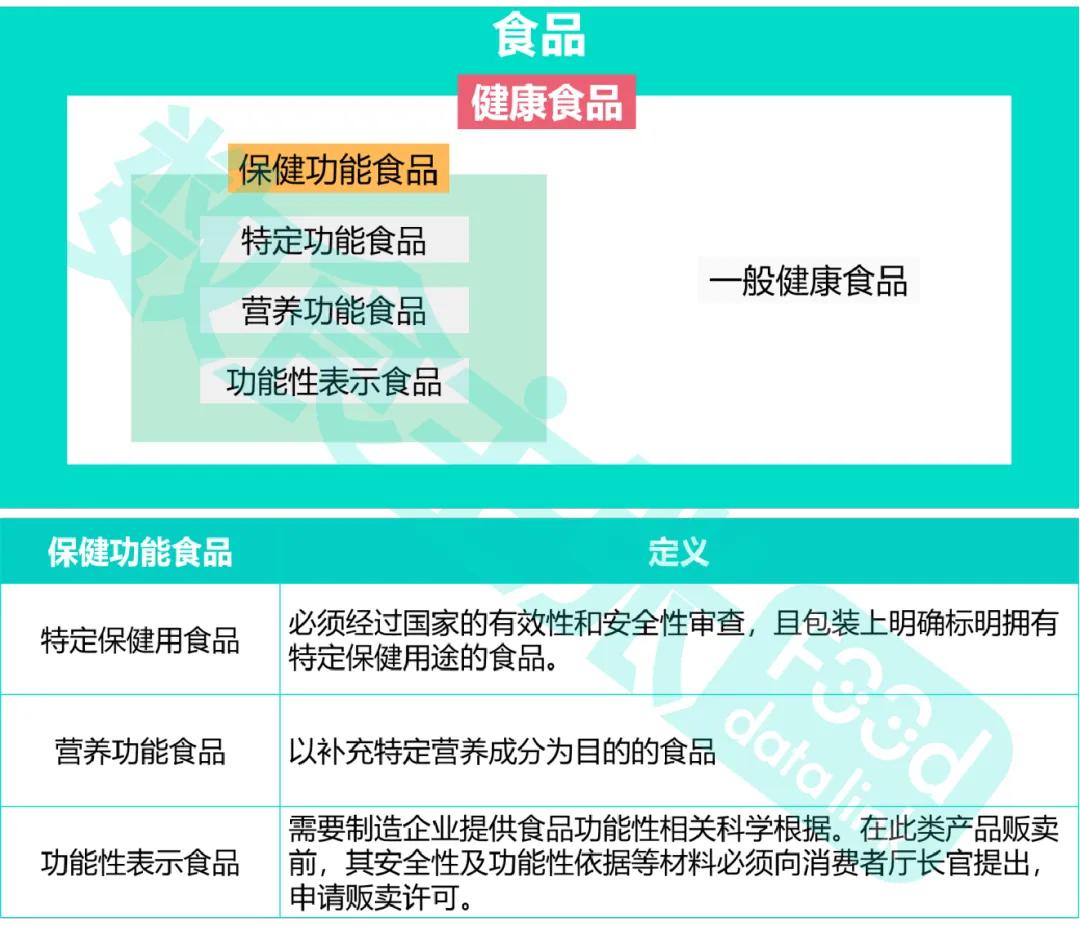
Core Insights - The Japanese functional food market has evolved significantly over the past 30 years, reflecting a profound change in consumer health concepts and a robust regulatory framework [1][2][3] Group 1: Historical Development - The functional food market in Japan experienced explosive growth from 1965 to 1983, with sales increasing from 1.8 billion yen to 400 billion yen, highlighting a chaotic market environment [4][5] - In response to market chaos, the Japanese Ministry of Health initiated regulatory measures in 1971, prohibiting health foods from claiming any efficacy, thus shifting marketing strategies towards specific ingredients and their functionalities [5][7] - The 1980s saw the emergence of scientific research into food functions, leading to the establishment of the concept of functional foods, which was officially recognized in 1987 [8][10] Group 2: Market Transformation - The 1990s marked a price revolution in the functional food market, making products more accessible to the general public, with companies like FANCL and Otsuka Pharmaceutical leading the charge [16][17][19] - The introduction of the "FOSHU" (Foods for Specified Health Uses) system in 1991 provided a regulatory framework that allowed products to be marketed with specific health claims, although initial growth was slow due to high costs [22][25] - The late 1990s saw a surge in media-driven health trends, with products like Kao's health cooking oil achieving significant market success, demonstrating the commercial value of the FOSHU system [27][28] Group 3: Challenges and Recovery - The 2000s brought challenges, including a media-driven credibility crisis and product safety scandals, notably the "EKONA shock" involving Kao's health cooking oil, which led to a decline in consumer trust [30][36][38] - Despite these setbacks, the market began to recover with innovative products like Kirin's "Mets Cola" and Suntory's "Iyemon Tea," which successfully restored consumer confidence in functional foods [39][42][44] Group 4: Recent Trends and Future Directions - The introduction of the functional labeling food system in 2015 significantly lowered barriers for companies to enter the market, leading to a surge in product approvals and a market size of approximately 600 billion yen by 2023 [46][47] - Consumer trends have diversified, with a growing focus on holistic health solutions, including gut health, emotional management, and overall nutritional efficiency [50][51] - The market faces challenges such as the need for compliance in marketing practices and the importance of consumer education to build trust in functional food products [60][61]