Avocado(牛油果)

Search documents
Meta公开抄阿里Qwen作业,还闭源了...
猿大侠· 2025-12-12 04:11
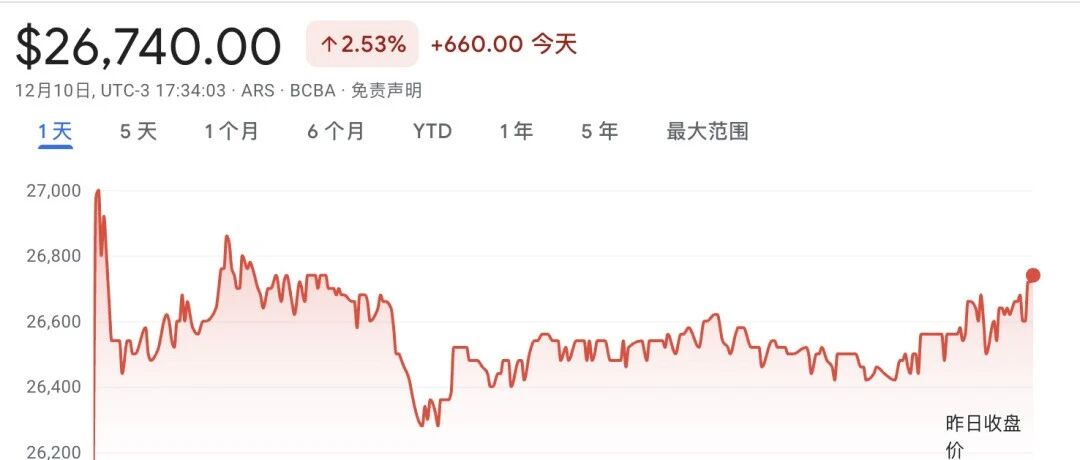
Core Viewpoint - Meta is shifting from an open-source strategy to a closed-source model, marking a significant strategic pivot for the company [11][12][28]. Group 1: New Model Development - Bloomberg reports that Meta is set to release a new model codenamed "Avocado" in spring 2025, which is expected to be closed-source [2][10]. - The closed-source model "Avocado" will utilize AI training from Alibaba's Qwen, indicating a collaboration with third-party models [4][5][10]. Group 2: Market Reaction - Following the news of the collaboration with Alibaba, Alibaba's stock saw a pre-market increase of 4% and closed with a 2.53% gain [6]. Group 3: Strategic Shift - Meta's transition to a closed-source model represents a 180-degree turn from its previous commitment to open-source, which was once considered a core narrative for the company [11][12]. - The shift is seen as a response to the competitive landscape, particularly acknowledging China's advancements in the open-source domain [15]. Group 4: Internal Changes and Leadership - Meta's leadership has undergone significant changes, with the new Chief AI Officer, Alexander Wang, being a strong proponent of closed-source models [21]. - Following the failure of the Llama 4 model, there has been a restructuring within Meta, leading to the marginalization of open-source advocates and a focus on closed-source initiatives [28][30]. Group 5: Talent Acquisition - Meta has invested heavily in acquiring top talent for its AI initiatives, with reports of salaries reaching up to hundreds of millions and personal outreach from CEO Mark Zuckerberg to recruit key researchers [23][25][27]. - The newly formed TBD Lab, which is central to Meta's AI strategy, has been closely monitored by Zuckerberg, indicating a hands-on approach to the new direction [32][33].


Meta公开抄阿里Qwen作业,还闭源了...
量子位· 2025-12-11 01:33
Core Insights - Meta is shifting from an open-source strategy to a closed-source model with the upcoming release of a new AI model codenamed "Avocado" [2][10] - The new model will utilize Alibaba's AI, specifically the Qwen model, during its training process, which has caused significant market reactions [4][6] - This strategic pivot marks a significant departure from Meta's previous commitment to open-source development, indicating a potential failure of its earlier approach [11][15] Group 1: Strategic Shift - Meta's new model "Avocado" is expected to be closed-source, representing a 180-degree turn from its previous open-source narrative [3][11] - The decision to adopt a closed-source model is driven by the need to enhance product capabilities and competitiveness in the AI landscape [14][15] - The reliance on third-party models, including Qwen, for training the closed-source model highlights the complexities of the current AI development ecosystem [13][18] Group 2: Market Reaction - Following the announcement of the new model, Alibaba's stock saw a pre-market increase of 4%, closing with a 2.53% gain, reflecting investor optimism about the collaboration [6] - The market's reaction indicates a recognition of Alibaba's growing influence and success in the AI sector, contrasting with Meta's struggles [9] Group 3: Internal Dynamics - Meta's internal restructuring has intensified following the underperformance of the Llama 4 model, leading to a reduction in open-source discussions and significant layoffs within the FAIR lab [28][30] - The appointment of Alexander Wang as the new Chief AI Officer signifies a shift in leadership and focus towards closed-source AI development [21][32] - The internal conflicts and departures of key figures like Yann LeCun suggest a turbulent transition as Meta navigates its new strategic direction [29][31]