BPU黎曼架构

Search documents
市值增长600亿,地平线下了一盘大棋
Xin Lang Cai Jing· 2025-12-17 04:52
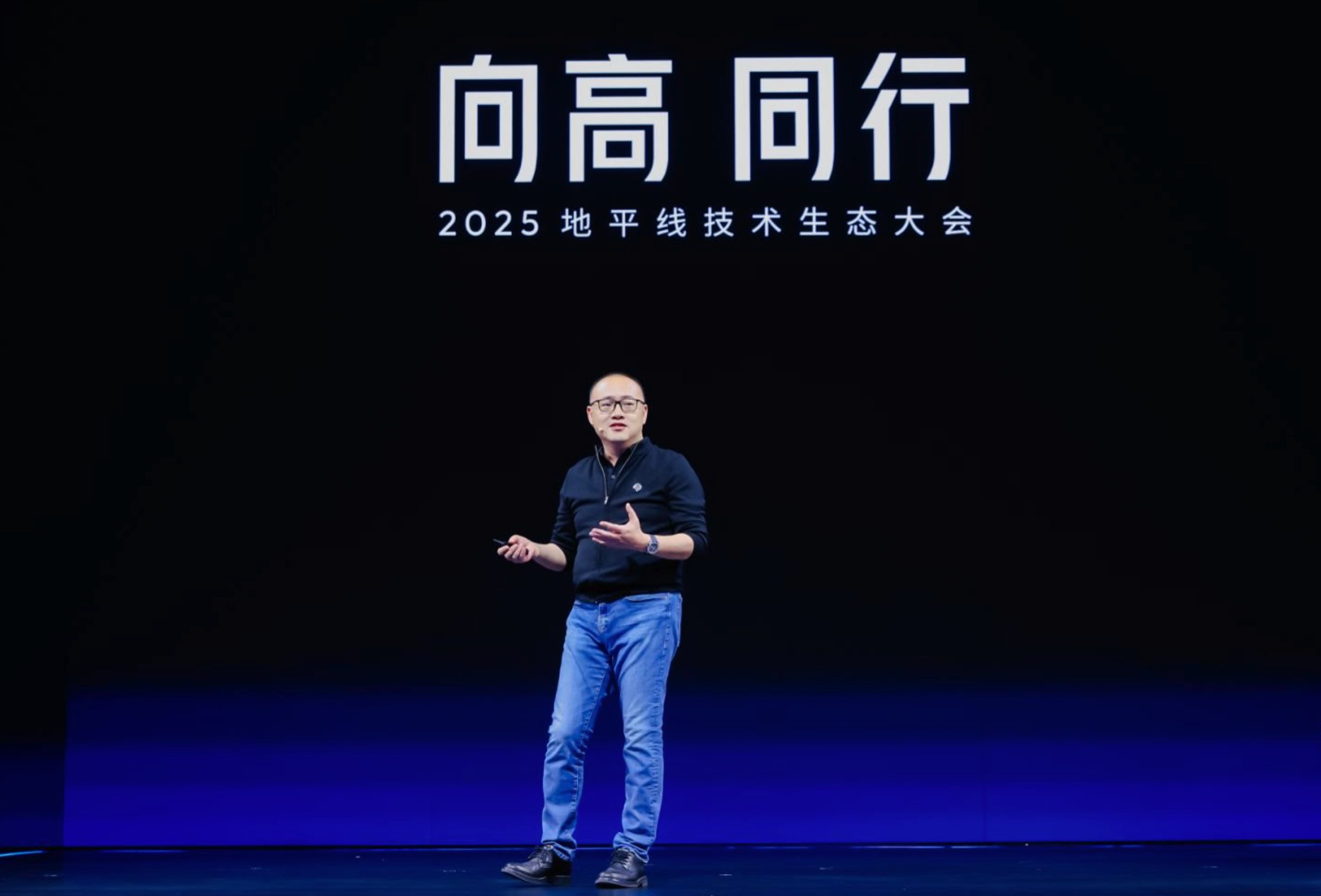
Core Insights - Horizon Robotics achieved a market capitalization of HKD 126 billion by December 16, 2025, reflecting a growth of over 90% since its IPO, which is the largest IPO for a Chinese tech company in the past three years [3][9][8] - The company positions itself as a "Horizontal Platform" for the Robotics era, emphasizing an open and win-win ecosystem [4][12] Company Overview - Horizon Robotics, founded by Yu Kai, is described as a non-typical chip company, focusing on "processing hardware" rather than traditional chip terminology [4] - The company has shipped over 7 million units of its "processing hardware" [5] IPO Significance - The IPO not only marked a significant financial milestone but also attracted long-term international funds, injecting confidence into the Hong Kong market [9] - The timing of the IPO coincided with a market recovery, which Yu Kai humorously attributed to "luck" [8] Ecosystem Ambitions - Horizon's vision includes creating a vibrant ecosystem within the automotive industry, aiming to foster innovation and improve safety and quality of life [12][14] - The first technology ecosystem conference showcased participation from major automotive manufacturers, highlighting the collaborative nature of Horizon's approach [13] Technological Foundations - The company introduced its fourth-generation BPU architecture, named "Riemann," which aims for significant performance improvements through algorithm and architecture optimization [18] - The new architecture enhances tensor calculations and supports vector and floating-point computations, achieving a fivefold increase in energy efficiency [18] HSD Together Model - Horizon launched the HSD Together model, which aims to reduce partners' costs and time by 90%, transforming the business model from selling products to providing services [28][30] - This model is designed to attract more automotive manufacturers, particularly mainstream brands, to join Horizon's ecosystem [29] Competitive Strategy - Horizon's strategy contrasts with competitors like Tesla and Huawei by adopting a semi-open approach, focusing on collaboration rather than strict control [31] - The goal is to establish a trust-based ecosystem that fosters innovation and efficiency, positioning Horizon as a key player in the smart automotive and physical AI markets [32] Future Vision - Horizon aims to leverage its ecosystem to drive technological advancements and ensure long-term growth, with a focus on making technology accessible to everyday users [36]

地平线要把智驾做到售价 7 万元的车上|最前线
3 6 Ke· 2025-12-12 04:38
Core Insights - Horizon is attempting to create a "new ecosystem" to expand its business and attract more participants [3] - The CEO of Horizon, Yu Kai, stated that smart driving has not yet truly entered the mass market, with vehicles priced above 200,000 yuan accounting for 30% of the market share, while those below 130,000 yuan make up 50%, but the latter generally lack urban auxiliary driving capabilities [3] - Horizon's smart driving solution, HSD, has been integrated into vehicles priced at 130,000 yuan this year, with plans to extend urban auxiliary driving solutions to vehicles priced as low as 70,000 yuan next year [3] Business Model Evolution - Horizon has introduced a new business model called "HSD Together," transitioning from selling chips and solutions to selling algorithms and capabilities [4] - The previous mainstream business model included selling chips, toolchains, basic software, hardware reference designs, chip IP licensing, and algorithm IP licensing [4] - Horizon has partnered with companies like Denso and the joint venture CARIZON to implement the HSD Together model, while HCT has restructured to focus on Tier 2 solutions based on the 6M platform [4] Industry Dynamics - Horizon views smart driving as the "automatic transmission" of the new era, where functionality will converge, and differentiation will stem from branding rather than significant differences in underlying capabilities [5] - To support the evolution of smart driving capabilities, Horizon announced the development of the fourth-generation BPU architecture, Riemann, which increases the number of high-precision operators by over ten times and enhances efficiency [6] - The Riemann architecture will be integrated into the entire Journey 7 family and is set to launch alongside Tesla's next-generation AI5 chip [6] Ecosystem Challenges - Horizon aims to reshape the collaboration paradigm within the smart driving supply chain by adopting a more open and cooperative approach, inviting more Tier 1 and Tier 2 participants [6] - However, this new ecosystem introduces complexities, as the boundaries between Horizon and its partners are becoming blurred, creating both a community of interests and competitive dynamics [6] - The ability to maintain a healthy ecological tension between "co-building" and "competition" will determine the longevity of this model and Horizon's success in making smart driving mainstream [6]