DDR4 8Gb颗粒

Search documents
身价立涨10倍,抽屉里的碎屏安卓机成香饽饽了
虎嗅APP· 2026-03-28 03:56
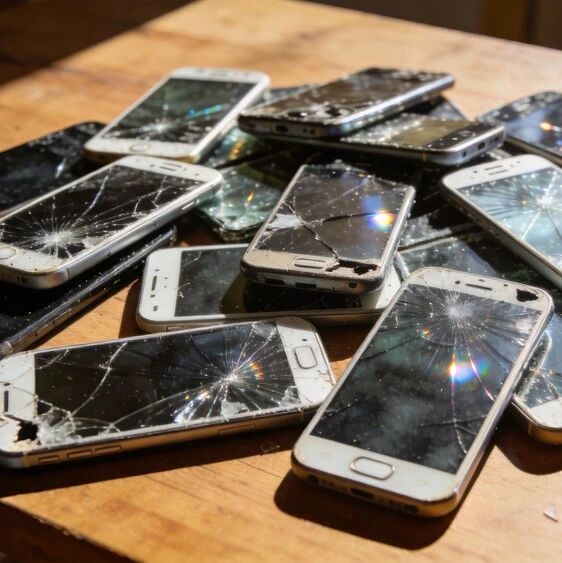
Core Viewpoint - The article discusses the recent surge in the value of old smartphones, driven by the booming AI industry and the resulting demand for storage chips, leading to a significant increase in the mobile phone recycling market [5][12][18]. Group 1: Market Dynamics - The recycling market for old smartphones has seen a price surge, with sellers reporting that previously unwanted devices are now in high demand, leading to quick sales and higher offers from recyclers [6][8]. - A specific example includes the OPPO Find X8 Ultra, which can be sold for 3,465 yuan, significantly higher than the 2,900-3,000 yuan offered by online recycling platforms [11]. - The price of recycled phones has reportedly increased five to six times, with some models that were valued at 20-30 yuan last year now fetching 150-180 yuan [11]. Group 2: Chip Demand and Supply - The explosive growth of the AI industry has led to a dramatic increase in demand for high-bandwidth memory (HBM) and large-capacity storage chips, causing a supply-demand imbalance and skyrocketing prices [12][13]. - According to data from TrendForce, the prices of storage chips have increased by over 300% in the last three months, with DRAM prices expected to rise by 80% to 95% in the first quarter of 2026 [12]. - The share of memory chips in the material costs of smartphones has risen from 10%-15% to 30%-40%, prompting manufacturers to raise retail prices [13]. Group 3: Recycling Process and Profitability - Recyclers are focusing on domestic Android phones, as they are more profitable due to the reusability of their memory chips, unlike Apple devices which have a unified memory architecture that limits reuse [11][16]. - The profit margins for recycled devices vary, with normal machines yielding profits of 100 to 300 yuan, while higher-end devices can yield lower percentages due to increased costs [11]. - The internal components of old smartphones, including metals like copper and silver, contribute to their value, making them a source of electronic raw materials rather than mere waste [17]. Group 4: Future Outlook - The current enthusiasm for recycling old smartphones may wane as the market becomes saturated with new entrants, leading to increased competition and potentially lower profit margins [17][18]. - The article suggests that as the storage chip market stabilizes and the recycling industry becomes more regulated, the initial high profits may normalize, returning the focus to sustainable resource utilization [18].

身价立涨10倍,抽屉里的碎屏安卓机成香饽饽了
创业邦· 2026-03-28 03:45
Core Viewpoint - The article discusses the surge in the value of old smartphones due to the booming demand for storage chips driven by the AI industry, leading to a significant increase in the mobile phone recycling market [6][14][22]. Group 1: Recycling Market Dynamics - The old mobile phone recycling market has seen a price surge, with sellers reporting that previously unwanted devices are now in high demand, turning waste into profit [7][10]. - A mobile phone recycler noted that even severely damaged phones can fetch prices between 10 to 20 yuan, with resale values reaching over 100 yuan [11]. - The recycling prices for certain models have increased dramatically, with some phones that were valued at 20-30 yuan last year now fetching 150-180 yuan [12]. Group 2: Impact of AI on Chip Prices - The explosive growth of the AI industry has led to a significant increase in demand for high-bandwidth memory (HBM) and large-capacity storage chips, causing a price surge in the storage chip market [14][15]. - Data from TrendForce indicates that the prices of DRAM and NAND flash memory have reached record highs, with DRAM prices increasing by 369% from their 2025 lows [15]. - The rising costs of storage components have forced smartphone manufacturers to raise their prices, with some models seeing price increases of 300-600 yuan [15]. Group 3: Differences in Smartphone Architecture - The article highlights a stark contrast in the recycling value between Android and Apple smartphones, primarily due to their different hardware architectures [19][21]. - Android phones typically use a modular design that allows for easier extraction and reuse of memory chips, while Apple's unified memory architecture makes its chips less reusable [19][21]. - This architectural difference results in Android phones being more valuable in the recycling market, as they provide reusable memory components that are in high demand [21][22]. Group 4: Future of the Recycling Market - The current enthusiasm for recycling old smartphones may not be sustainable, as increased competition and rising acquisition costs are beginning to normalize the market [22]. - The article suggests that the recycling industry is transitioning towards a more regulated and rational market, moving away from initial high-profit margins [22]. - The evolving landscape of the storage chip market and the recycling industry reflects broader trends in resource utilization and the value of electronic waste [22].