旧手机

Search documents
身价立涨10倍,抽屉里的碎屏安卓机成香饽饽了
虎嗅APP· 2026-03-28 03:56
Core Viewpoint - The article discusses the recent surge in the value of old smartphones, driven by the booming AI industry and the resulting demand for storage chips, leading to a significant increase in the mobile phone recycling market [5][12][18]. Group 1: Market Dynamics - The recycling market for old smartphones has seen a price surge, with sellers reporting that previously unwanted devices are now in high demand, leading to quick sales and higher offers from recyclers [6][8]. - A specific example includes the OPPO Find X8 Ultra, which can be sold for 3,465 yuan, significantly higher than the 2,900-3,000 yuan offered by online recycling platforms [11]. - The price of recycled phones has reportedly increased five to six times, with some models that were valued at 20-30 yuan last year now fetching 150-180 yuan [11]. Group 2: Chip Demand and Supply - The explosive growth of the AI industry has led to a dramatic increase in demand for high-bandwidth memory (HBM) and large-capacity storage chips, causing a supply-demand imbalance and skyrocketing prices [12][13]. - According to data from TrendForce, the prices of storage chips have increased by over 300% in the last three months, with DRAM prices expected to rise by 80% to 95% in the first quarter of 2026 [12]. - The share of memory chips in the material costs of smartphones has risen from 10%-15% to 30%-40%, prompting manufacturers to raise retail prices [13]. Group 3: Recycling Process and Profitability - Recyclers are focusing on domestic Android phones, as they are more profitable due to the reusability of their memory chips, unlike Apple devices which have a unified memory architecture that limits reuse [11][16]. - The profit margins for recycled devices vary, with normal machines yielding profits of 100 to 300 yuan, while higher-end devices can yield lower percentages due to increased costs [11]. - The internal components of old smartphones, including metals like copper and silver, contribute to their value, making them a source of electronic raw materials rather than mere waste [17]. Group 4: Future Outlook - The current enthusiasm for recycling old smartphones may wane as the market becomes saturated with new entrants, leading to increased competition and potentially lower profit margins [17][18]. - The article suggests that as the storage chip market stabilizes and the recycling industry becomes more regulated, the initial high profits may normalize, returning the focus to sustainable resource utilization [18].

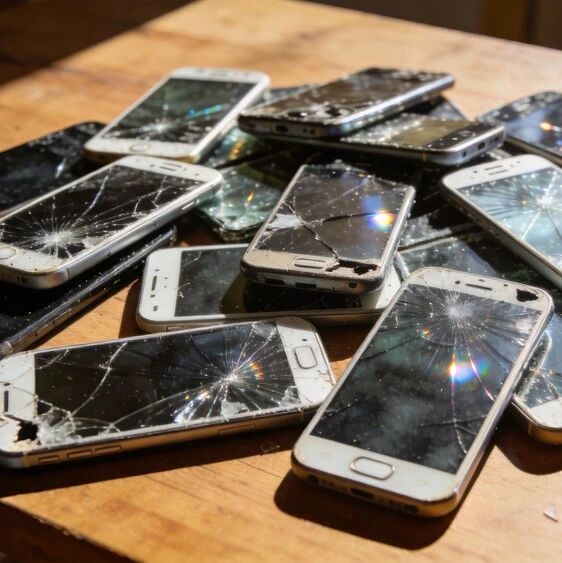
身价立涨10倍,抽屉里的碎屏安卓机成香饽饽了
创业邦· 2026-03-28 03:45
Core Viewpoint - The article discusses the surge in the value of old smartphones due to the booming demand for storage chips driven by the AI industry, leading to a significant increase in the mobile phone recycling market [6][14][22]. Group 1: Recycling Market Dynamics - The old mobile phone recycling market has seen a price surge, with sellers reporting that previously unwanted devices are now in high demand, turning waste into profit [7][10]. - A mobile phone recycler noted that even severely damaged phones can fetch prices between 10 to 20 yuan, with resale values reaching over 100 yuan [11]. - The recycling prices for certain models have increased dramatically, with some phones that were valued at 20-30 yuan last year now fetching 150-180 yuan [12]. Group 2: Impact of AI on Chip Prices - The explosive growth of the AI industry has led to a significant increase in demand for high-bandwidth memory (HBM) and large-capacity storage chips, causing a price surge in the storage chip market [14][15]. - Data from TrendForce indicates that the prices of DRAM and NAND flash memory have reached record highs, with DRAM prices increasing by 369% from their 2025 lows [15]. - The rising costs of storage components have forced smartphone manufacturers to raise their prices, with some models seeing price increases of 300-600 yuan [15]. Group 3: Differences in Smartphone Architecture - The article highlights a stark contrast in the recycling value between Android and Apple smartphones, primarily due to their different hardware architectures [19][21]. - Android phones typically use a modular design that allows for easier extraction and reuse of memory chips, while Apple's unified memory architecture makes its chips less reusable [19][21]. - This architectural difference results in Android phones being more valuable in the recycling market, as they provide reusable memory components that are in high demand [21][22]. Group 4: Future of the Recycling Market - The current enthusiasm for recycling old smartphones may not be sustainable, as increased competition and rising acquisition costs are beginning to normalize the market [22]. - The article suggests that the recycling industry is transitioning towards a more regulated and rational market, moving away from initial high-profit margins [22]. - The evolving landscape of the storage chip market and the recycling industry reflects broader trends in resource utilization and the value of electronic waste [22].

二手回收行业乱象频发,亟需规范与监管
Jing Ji Guan Cha Wang· 2026-02-25 05:48
Core Viewpoint - The second-hand recycling industry in China is facing significant issues, including fraud, data security concerns, and lack of regulatory standards, leading to consumer exploitation and health risks [1][2][3][4][5] Group 1: Mobile Phone Recycling - The mobile phone recycling market is projected to reach a scale of "hundreds of billions" by 2025, with an annual growth rate of approximately 20% [1] - Platforms often lure consumers with offers of "20% higher than competitors," but then significantly reduce the price post-evaluation, with markdowns of 30%-40% based on vague reasons [1] - Complaints against major platforms like "Aihui" and "Zhuanzhuan" are rampant, with "Aihui" receiving nearly 24,000 complaints regarding malicious price reductions [4] Group 2: Clothing Recycling - The second-hand clothing recycling sector is plagued by issues such as the sale of uncleaned and unsanitized garments disguised as "brand surplus" [2] - There is a lack of unified hygiene standards and traceability mechanisms, leading to health risks for consumers [2] - Some businesses exploit charitable intentions by collecting clothes under the guise of "charity recycling" and then reselling them at inflated prices [2] Group 3: Luxury Goods Recycling - The luxury goods recycling market has seen severe issues, including unauthorized transactions where minors sell high-value items without proper identity verification [2] - Some luxury items are being sold for less than 10% of their original price, raising concerns about the legitimacy of transactions [2] Group 4: Gold and Diamond Recycling - Gold recycling often involves inflated initial quotes followed by deductions for weight and purity, resulting in consumers receiving far less than expected [3] - The diamond recycling market is affected by international price fluctuations, with significant declines in recovery prices [3] Group 5: Regulatory and Consumer Awareness - The second-hand circulation industry in China reached a transaction volume of over 1.3 trillion yuan in 2023, with expectations to exceed 3 trillion yuan by 2025, yet it remains in its early development stages [4] - There is an urgent need for standardized regulations and consumer protection laws to address the rampant issues in the recycling industry [5] - Consumers are advised to choose reputable platforms and retain evidence during transactions to safeguard their interests [5]
高估低收、虚构欺诈、诱导未成年人……二手网络平台交易“套路”多
Jing Ji Guan Cha Wang· 2026-02-25 05:35
Core Insights - The second-hand recycling industry is facing significant issues, including fraud, lack of standards, and data security risks, as highlighted by recent media reports [1][2][3] Group 1: Industry Issues - The second-hand mobile phone recycling sector is plagued by "hidden rules," where platforms attract users with high price offers but later reduce the price by 30%-40% using vague reasons like minor scratches [2][6] - In the second-hand clothing recycling market, unsanitized clothes are falsely marketed as "brand surplus" or "unique samples," posing health risks to consumers [1][3] - The second-hand luxury goods market has seen cases where minors sell high-value items without proper identity verification, leading to significant financial losses [3][4] Group 2: Consumer Complaints - Consumer complaints regarding mobile phone recycling platforms are on the rise, with platforms like "Aihui" receiving nearly 24,000 complaints related to malicious price reductions [6][7] - The "Zhuanzhuan" platform has accumulated around 120,000 complaints, with many consumers reporting quality issues with second-hand products and price manipulation during the recycling process [7][8] - The lack of transparency in the evaluation process of second-hand products makes it difficult for consumers to verify the authenticity of the assessments, leading to disputes [8][9] Group 3: Recommendations for Improvement - Experts suggest that the industry needs to establish unified standards and regulations to enhance oversight and protect consumer rights [1][9] - The implementation of technology, such as blockchain, is recommended to improve transaction transparency and establish a product traceability system [9] - Consumers are encouraged to choose reputable platforms and retain evidence during transactions to safeguard their interests [9]
新规排解二手数码产品隐私焦虑,现存闲置相关企业超338万家
Xin Lang Cai Jing· 2025-12-25 05:02
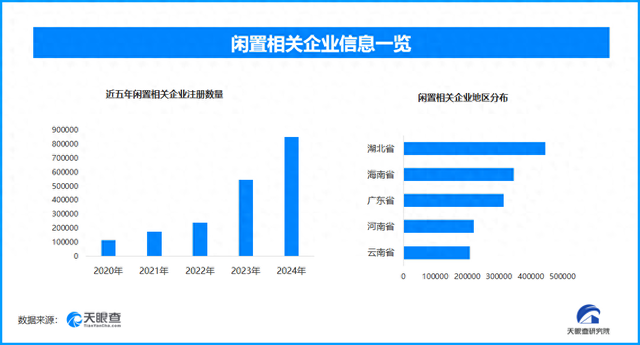
Core Viewpoint - The newly released national standard "Data Security Technology - Technical Requirements for Information Clearing of Electronic Products" will be implemented on January 1, 2027, focusing on enhancing data privacy through physical-level data clearing methods [1] Group 1: New Regulations - The new regulation mandates "information clearing" rather than just ordinary deletion, utilizing techniques such as data overwriting and block erasure to significantly increase the difficulty and cost of malicious data recovery [1] - The regulation establishes a full lifecycle responsibility chain, requiring manufacturers to provide clearing functions or tools, and recycling operators to strictly clear information and verify traces [1] Group 2: Industry Trends - As of now, there are over 3.386 million idle-related enterprises in China, with approximately 989,000 newly registered related enterprises in 2025 [1] - The registration trend of idle-related enterprises has shown a year-on-year increase over the past five years, with significant growth observed in 2023 and 2024 [1] - The provinces with the highest number of idle-related enterprises are Hubei, Hainan, and Guangdong, with over 445,000, 346,000, and 314,000 enterprises respectively [1]
旧手机不能随便卖了?史上最严新规出台
3 6 Ke· 2025-12-21 23:31
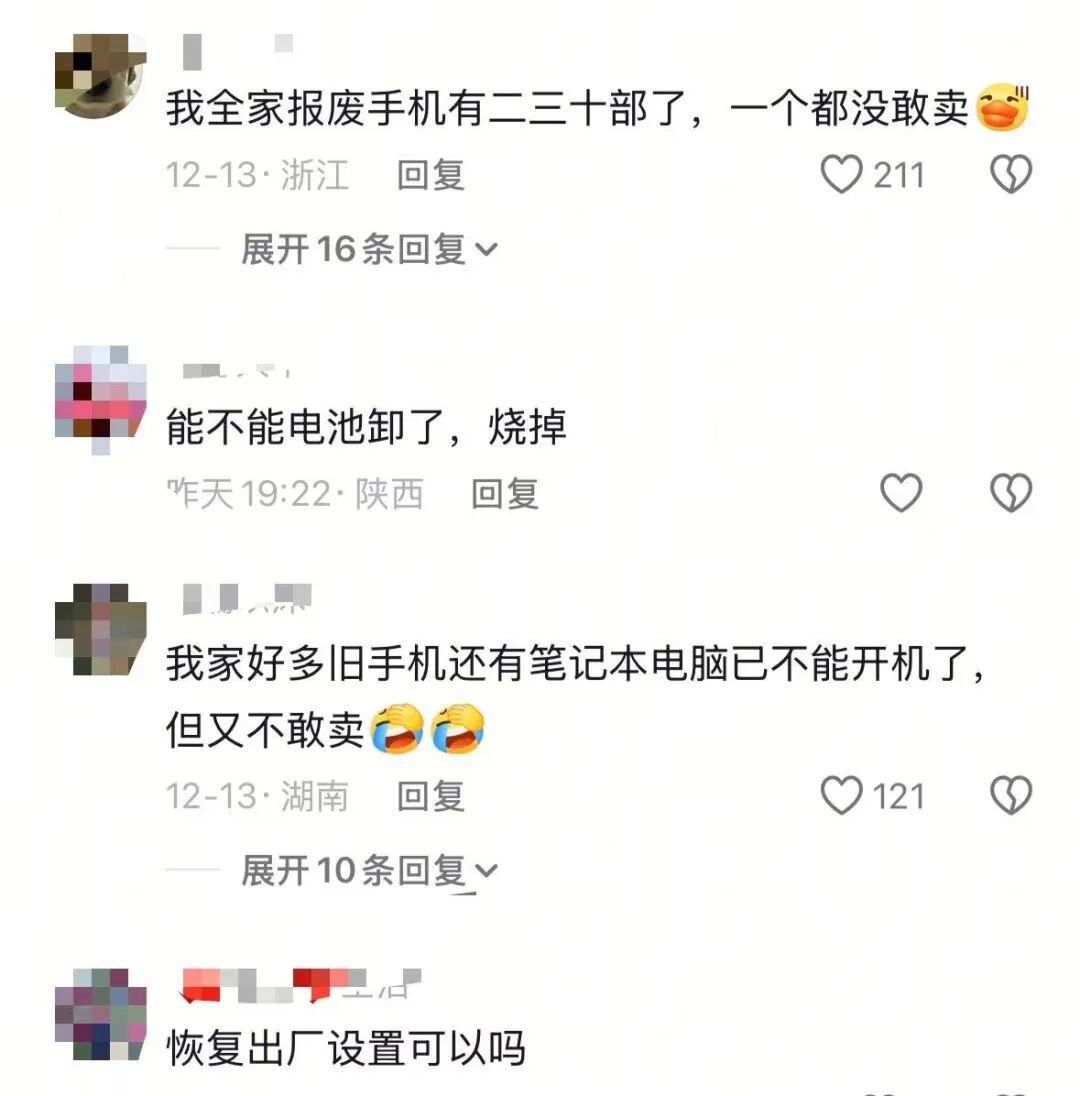
Core Viewpoint - The introduction of a new national standard in China for data security and electronic product information clearance aims to enhance the safety of second-hand electronic device transactions, addressing concerns over data privacy and security [8][10][20]. Group 1: New National Standard - A new national standard titled "Data Security Technology Electronic Product Information Clearance Technical Requirements" will be implemented on January 1, 2027, mandating "true clearance" of data rather than "fake deletion" [8][10]. - This standard is mandatory for manufacturers and recycling businesses, making it one of the strictest regulations to date, covering a wide range of electronic products including smartphones, tablets, laptops, and smartwatches [10][20]. Group 2: Data Clearance Methods - The standard specifies two main data clearance methods: digital overwriting and block erasure. Digital overwriting involves repeatedly covering existing data, while block erasure entails completely removing data from a storage block [12][14]. - Block erasure is more efficient for semiconductor media, as it clears entire data blocks at once, making data recovery nearly impossible [14]. Group 3: Responsibilities of Manufacturers and Recyclers - Manufacturers are required to integrate a "data destruction" feature in new devices or provide third-party tools for data clearance, ensuring users are informed about the clearance process and its implications [15]. - Recycling businesses must adhere to strict guidelines, including obtaining user consent before accessing any data, using approved clearance methods, and maintaining records of clearance operations for at least three years [17][22]. Group 4: Market Context and User Sentiment - Over 6 billion idle mobile phones exist in China, with only 10% entering the second-hand market, highlighting the need for a standardized approach to data security in device recycling [20]. - User feedback indicates a sense of relief regarding the new regulations, although there are concerns about the effective implementation of these standards [22].
旧手机回收行业“猫腻”多套路深
Jing Ji Guan Cha Wang· 2025-12-21 05:39
Core Insights - The old mobile phone recycling industry is plagued by various issues, including malicious price cutting, personal information leakage, and environmental pollution from improper gold extraction [1][3][4] - A significant number of consumers have reported experiences of price fraud, where initial high estimates are drastically reduced upon receiving the devices [2][3] Industry Issues - Many seemingly legitimate recycling platforms engage in serious price fraud, offering high initial estimates to attract consumers but later reducing the price significantly after receiving the phones [1][2] - Complaints related to mobile phone recycling have reached 14,000 on consumer complaint platforms, with 90% focusing on the discrepancy between high estimates and low purchase prices [2][4] Consumer Rights and Data Security - Legal experts assert that platforms should honor the initial estimates if the condition of the phones matches the consumers' self-assessment [2] - Even when consumers use the "data wipe" option, sensitive information can still be recovered, posing risks of privacy breaches and financial loss [3] Environmental Concerns - The recycling of old mobile phones is critical for environmental protection, as improper recycling methods can lead to significant pollution [3][4] - Less than 2% of old phones are recycled through legitimate channels, with many ending up in small workshops that use outdated methods for precious metal extraction [3] Regulatory Response - The Ministry of Industry and Information Technology plans to enhance regulatory oversight of the old mobile phone recycling industry to protect consumer rights and ensure market order [4] - Experts advocate for the establishment of comprehensive recycling standards and data security regulations to promote healthy industry development [4] Market Dynamics - The annual number of discarded mobile phones in China exceeds 400 million, yet the formal recycling rate is below 10%, highlighting a significant gap in the market [4] - Major platforms for old mobile phone recycling in China include Xianyu, Zhuanzhuan, Aihuishou, and Huishoubao, offering various transaction models [4]
常规操作可能无法彻底清除手机信息
Xin Lang Cai Jing· 2025-12-21 03:17
Core Viewpoint - The article highlights that conventional methods like "deleting files" and "factory resetting" do not effectively erase personal information from old electronic devices, posing a risk of privacy breaches for consumers [1] Group 1: Industry Concerns - The rapid expansion of "trade-in" and second-hand markets for electronic products has led to a significant influx of old phones and computers into recycling channels [1] - There is a growing concern regarding the potential leakage of personal information, such as photos and contacts, stored on these devices if not properly cleared [1] Group 2: Technical Insights - Technical experts indicate that standard procedures often fail to completely eliminate user data, as advanced techniques can recover deleted information [1]
电子产品个人信息难清除 隐私应该如何保护?
Yang Shi Wang· 2025-12-18 19:43
Core Viewpoint - The introduction of the mandatory national standard for data security technology regarding electronic product information clearance aims to protect consumer privacy by ensuring effective data deletion methods for old electronic devices [1] Group 1: Background and Rationale - The rapid expansion of "trade-in" and second-hand transactions for electronic products has led to a significant influx of old devices, which may contain sensitive personal information [1] - The lack of effective data deletion methods in traditional practices poses a risk of privacy breaches for consumers [1] Group 2: New National Standard - The newly approved national standard, titled "Data Security Technology Electronic Product Information Clearance Technical Requirements," mandates that manufacturers and recyclers provide built-in data clearance functions or free tools for users [1] - The standard specifies scientific clearance methods such as "data overwriting" and "block erasure" to ensure thorough data removal [1] - This standard is set to be implemented on January 1, 2027 [1]
删除≠消失!新国标终结个人信息隐私“诈尸”风险
Huan Qiu Wang· 2025-12-13 01:20
Core Viewpoint - The article highlights the growing concern over data privacy in the context of electronic product recycling, emphasizing that conventional deletion methods do not effectively erase personal information, leading to potential privacy breaches. Group 1: Data Recovery and Deletion Methods - Traditional deletion methods, such as using built-in system functions, are shown to be ineffective as data can still be recovered using specialized software [3][5] - A demonstration revealed that even after using a phone's deletion program, deleted images could still be retrieved, indicating that standard deletion practices do not guarantee data security [5] Group 2: Consumer Concerns and Market Impact - During the "14th Five-Year Plan" period, it is estimated that 6 billion idle mobile phones exist in China, with only 10% entering the second-hand market due to consumer fears of incomplete data deletion and privacy risks [7] - The new national standard aims to address these consumer concerns by mandating that manufacturers provide effective data deletion features [9] Group 3: New National Standards - The recently published national standard, effective from January 1, 2027, requires uniform data deletion processes for devices like phones, computers, and hard drives to prevent unauthorized data recovery [7][9] - The standard specifies that all user data, including texts, images, videos, and sensitive information, must be thoroughly erased before resale [9] Group 4: Responsibilities of Manufacturers and Recyclers - Manufacturers are required to implement built-in data deletion tools and provide free services or third-party options for consumers [9] - Recyclers must ensure that all second-hand electronic products undergo proper data deletion, with detailed records of the deletion process maintained for at least three years [11]