Data centres

Search documents
3 Singapore REITs I Plan to Buy If the Market Crashes
The Smart Investor· 2026-03-30 03:30
Core Insights - Market sell-offs present opportunities to acquire fundamentally sound companies, particularly REITs, at discounted prices [1][3] - High-quality REITs maintain stable rental income despite market volatility, making them attractive during downturns [2] REIT Characteristics - Key characteristics for selecting REITs during sell-offs include reputable sponsors, solid debt profiles, and high occupancy rates [4][5] - A strong history of consistent annual distributions across market cycles is essential for REITs [5] Specific REITs to Consider - **Parkway Life REIT**: A defensive healthcare REIT with stable demand, high occupancy rates, and a trailing distribution yield of approximately 3.9% [6][8] - **Capitaland Integrated Commercial Trust (CICT)**: A prime commercial REIT with high-quality assets in central business districts, offering a trailing distribution yield of 5% [10][12] - **Keppel DC REIT**: A data centre REIT benefiting from long-term trends in digitalisation and AI, currently offering a 4.8% distribution yield [13][14] Investment Strategy - Gradual investment in REITs over time is recommended, as timing the market is challenging [15][16] - Consider buying in tranches based on distribution yield at different price points [16] Conclusion - Preparing a shopping list of high-quality REITs before market sell-offs can lead to long-term gains [18]

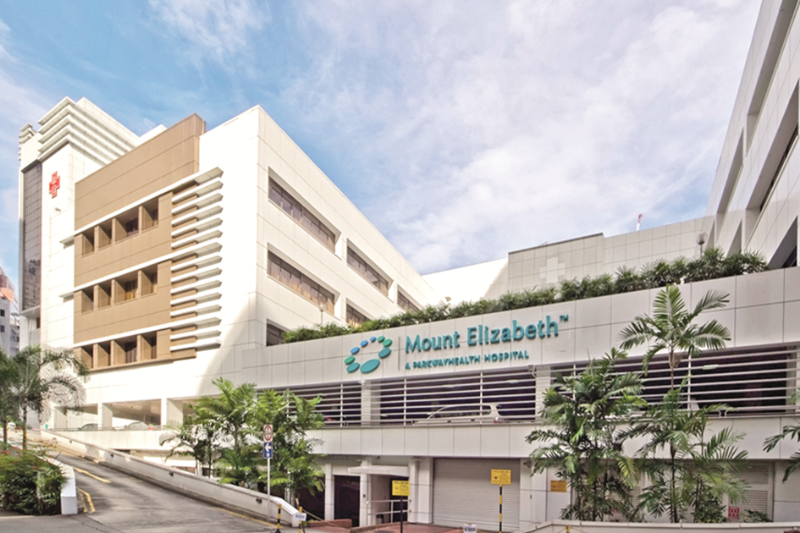
3 Reliable Singapore REITs With Distribution Yields of 5% or More
The Smart Investor· 2026-03-23 03:30
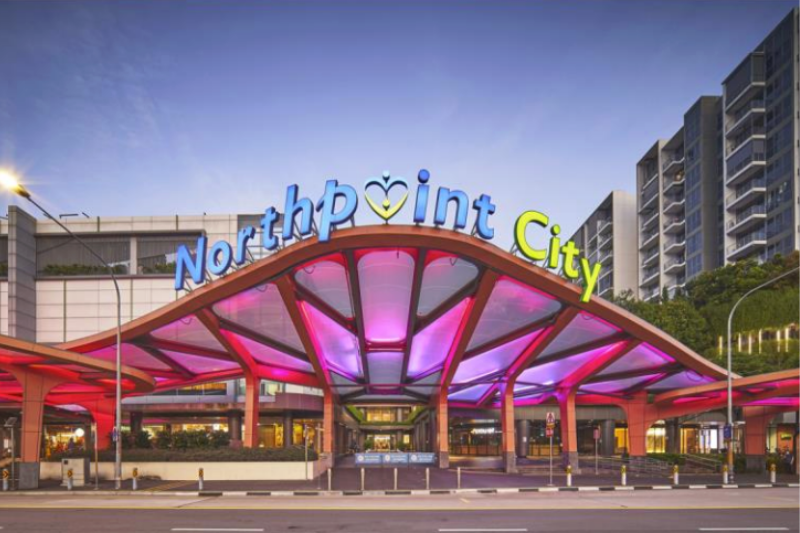
Core Insights - The article emphasizes the importance of identifying real estate investment trusts (REITs) that offer a balance of attractive returns and yield sustainability, particularly in a shifting interest rate environment. Group 1: Frasers Centrepoint Trust (FCT) - FCT focuses on suburban retail malls in Singapore and reported a revenue growth of 10.8% YoY to S$389.6 million for FY2025 [2] - The net property income (NPI) increased by 9.7% YoY to S$278 million, attributed to the acquisition of Northpoint City South Wing and a positive rental reversion of 7.8% [2] - 54% of FCT's tenant mix consists of essential services, providing resilience during economic downturns, with a committed occupancy rate of 98.1% [3] - FCT has a trailing annual distribution per unit (DPU) of S$0.1211, resulting in a dividend yield of 5.5% at a unit price of S$2.22 [4] Group 2: CapitaLand Ascendas REIT (CLAR) - CLAR is Singapore's largest listed business and industrial REIT, reporting a 1% YoY increase in gross revenue to S$1.54 billion for FY2025 [5] - The NPI rose by 1.7% to S$1.1 billion, driven by acquisitions in the US and Singapore, despite some impact from strategic divestments [6] - The FY2025 rental reversion was 12%, indicating renewed leases at higher rent prices, and the trust is planning to enhance revenue through asset enhancement initiatives [6] - CLAR has a trailing annual DPU of S$0.1501, leading to a dividend yield of 5.9% at a unit price of S$2.53 [8] Group 3: Frasers Logistics and Commercial Trust (FLCT) - FLCT owns 113 logistics, industrial, and commercial properties valued at S$6.9 billion, with a revenue growth of 5.6% YoY to S$471.5 million for FY2025 [9] - The NPI increased by 1.9% to S$326.1 million, supported by newly acquired logistics assets in Germany and Singapore [9] - FLCT has a strong balance sheet with a weighted average debt maturity of 2.8 years and a healthy interest coverage ratio of 4.3 times [10][11] - The trust has a trailing annual DPU of S$0.0595, resulting in a dividend yield of 6.6% at a unit price of S$0.90 [12]
Amazon to invest additional $21 billion in Spain for data centres, AI
Reuters· 2026-03-02 11:29
Core Viewpoint - Amazon plans to invest an additional €18 billion ($21 billion) in Spain to expand its data centers and enhance AI innovation, raising its total investment in the country to €33.7 billion [1]. Business - The new investment is aimed at bolstering Amazon's infrastructure in Spain, particularly in data centers and artificial intelligence [1]. - This move reflects Amazon's commitment to expanding its operations and technological capabilities in the European market [1].


STI Hits 5,000. 3 Blue Chips I Will Still Buy
The Smart Investor· 2026-02-22 23:30
Market Overview - The Straits Times Index recently surpassed the 5,000 level before experiencing a downward reversal, raising concerns about whether it is too late for investors to buy stocks [1] - Historical trends indicate that new highs in indexes often lead to further gains, but elevated valuations necessitate careful stock selection [1] Company Analysis Singapore Telecommunications Limited (Singtel) - Singtel is recognized as Singapore's leading telecom company, known for its resilient earnings and cash flows from essential telecommunication services [3] - The company is diversifying its business through digital initiatives, with new segments like NCS and Nxera contributing positively to earnings and carrying higher margins [4] - For FY2025, Singtel reported S$4.6 billion in operating cash flow and has reduced its net debt, achieving a leverage ratio of 1.3 times as of 30 September 2025, down from 1.6 times a year prior [5] - Singtel's forward price-to-earnings (P/E) ratio is approximately 21.7, above its five-year historical average of 17.9, which may be justified by the stability of its core business and new growth areas [6] CapitaLand Integrated Commercial Trust (CICT) - CICT is noted for its reliable dividend payments since 2002, providing steady income that is particularly valuable in high valuation environments [7] - The trust currently offers a trailing dividend yield of 4.8%, slightly below its five-year average of 5%, with a diversified property mix and healthy occupancy rates supporting its sustainable distribution [8] ST Engineering (STE) - ST Engineering is positioned as a long-term growth compounder with strong drivers in commercial aerospace and defense sectors, supported by an order book of S$32.6 billion as of 30 September 2025 [9] - The company is expected to benefit from the post-pandemic recovery in aerospace and increased government spending on defense, indicating a solid growth trajectory [10] Investment Considerations - With the STI at 5,000, the focus should be on whether earnings can continue to grow to justify high share prices, alongside monitoring valuations and balance sheet strength [11] - Investors are advised to avoid stocks that have surged without earnings support and to be cautious of companies reliant on ideal economic conditions [12] - Strong companies can still provide capital appreciation and income generation even at record index highs, emphasizing the importance of quality over timing [13]
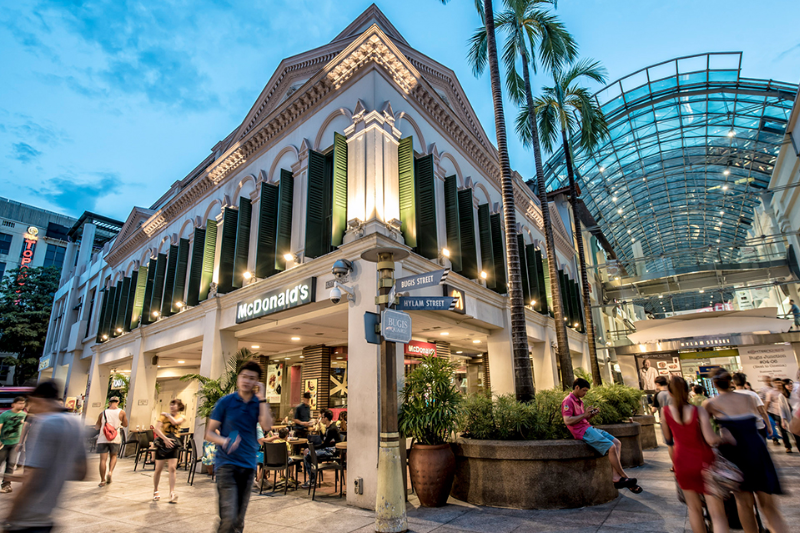
Mapletree Industrial Trust (SGX: ME8U): 3Q & 9M FY2025
Thesingaporeaninvestor.Sg· 2026-01-29 01:45
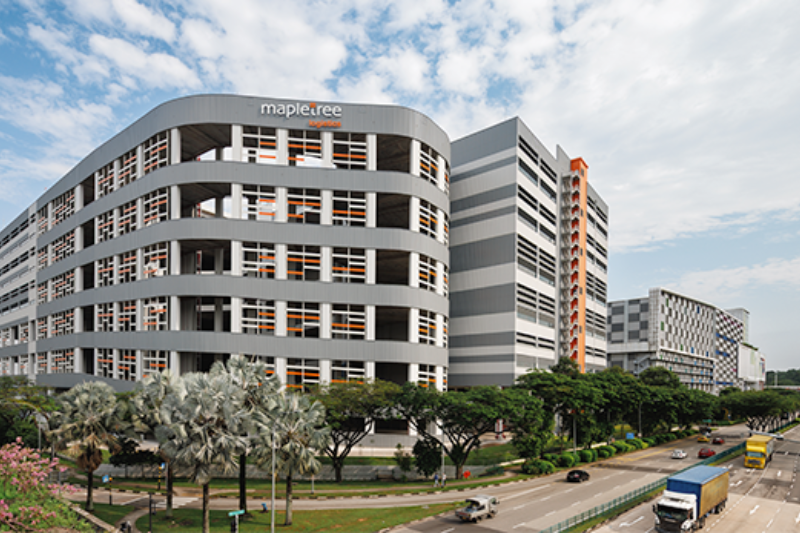
Core Viewpoint - Mapletree Industrial Trust (MIT) is experiencing a decline in financial performance, primarily due to the divestment of properties and challenges in its North American portfolio, while maintaining a stable occupancy rate in its Singapore and Japan properties [1][5][22]. Financial Performance - For 3Q FY2025/26, MIT reported a gross revenue of S$163.1 million, down 8.0% year-on-year, and a net property income of S$122.8 million, down 7.8% [4][5]. - Distributable income to unitholders decreased by 6.8% to S$90.5 million, attributed to the absence of income from divested properties [7][11]. - For the first nine months of FY2025/26, gross revenue was S$509.2 million, a decline of 4.6%, and net property income was S$380.4 million, down 4.9% [8][9]. Property Portfolio - MIT's portfolio consists of 55 properties in North America, 79 in Singapore, and 2 in Japan, with a total value of S$8.5 billion [2][1]. - The occupancy rate improved slightly to 91.4%, with Singapore properties at 93.0% and Japan properties fully occupied, while North American properties declined to 87.5% [13][24]. Debt Profile - Aggregate leverage decreased to 37.2%, with 88.6% of borrowings hedged at fixed rates [16][25]. - Debt maturity is well-staggered, with 15%, 17%, and 25% of borrowings due for refinancing in the next three financial years [17]. Distribution Payout - Distribution per unit for 3Q FY2025/26 was 3.17 cents, a decrease of 7.0% year-on-year, and for the first nine months, it was 9.62 cents, down 5.8% [19][21]. - The decline in distribution is expected to persist due to the absence of income from divested properties and lower occupancy in North America [20][22]. Management Outlook - The management remains focused on managing the impact of non-renewal of leases in North America while executing strategic divestments and acquisitions to enhance portfolio quality [22].
3 Singapore Blue-Chip REITs To Watch This Week
The Smart Investor· 2026-01-25 23:30
Core Viewpoint - Mapletree family of REITs is actively reshaping portfolios through divestments and capital redeployment, aiming for stronger growth despite short-term distribution impacts [1][13] Mapletree Logistics Trust (MLT) - MLT is pursuing a portfolio rejuvenation strategy with a divestment target of approximately S$1.0 billion, mainly from older properties in China and Hong Kong [2] - For FY2026, MLT aims to divest between S$100 million and S$150 million, having completed S$58 million in divestments year-to-date as of September 2025 [3] - DPU for 2QFY2026 decreased by 10.5% YoY to S$0.01815, largely due to the absence of divestment gains, with operational DPU down 4.8% YoY [4] Mapletree Pan Asia Commercial Trust (MPACT) - MPACT owns 15 commercial properties across five Asian markets, with total assets under management of S$15.9 billion [5] - For 1HFY2026, MPACT reported gross revenue of S$437.1 million, down 5.4% YoY, and net property income fell 5% to S$329.9 million [5] - DPU declined 1.2% YoY to S$0.0402, influenced by divestments and overseas market challenges, while VivoCity showed positive performance with increased shopper traffic and tenant sales [6][7] Mapletree Industrial Trust (MIT) - MIT manages 136 industrial properties with assets under management of S$8.5 billion, where data centres represent 58.3% of the portfolio [9] - For 1HFY2026, MIT's gross revenue was S$346.1 million, down 3% YoY, and DPU fell 5.1% to S$0.065 [9][10] - The North American portfolio occupancy is a concern at 87.8%, while Singapore properties achieved a weighted average rental reversion of 6.2% [11][12] Overall Investment Outlook - All three Mapletree REITs have experienced DPU declines, but management is focused on long-term sustainability through strategic portfolio repositioning [13] - The upcoming earnings reports in January 2026 are expected to provide insights into the effectiveness of these strategies and potential for future income growth [14]
2026 Singapore IPO Outlook: Top SGX Debuts and Market Trends
The Smart Investor· 2026-01-15 06:00
Core Insights - Singapore's IPO market showed significant revival in 2025, leading Southeast Asia with US$1.6 billion raised in the first 10.5 months, primarily driven by two major REITs [1] - The resurgence is attributed to government initiatives, stronger liquidity, and improved investor appetite, indicating a positive outlook for 2026 [1] Group 1: Centurion Accommodation REIT (CAREIT) - Centurion Accommodation REIT is the first pure play, purpose-built worker and student accommodation REIT listed on the SGX, debuting with 14 properties valued at approximately S$1.8 billion [2] - Post-IPO, CAREIT acquired additional properties, increasing its portfolio value to S$2.1 billion, supported by Centurion Corporation Limited's 37 properties, indicating a strong investment pipeline [2] Group 2: NTT DC REIT - NTT DC REIT went public in July 2025, backed by Japan's NTT Group, with an IPO portfolio of six data centres valued at US$1.6 billion and an occupancy rate of 94.3% [4] - Investors can expect a 7.5% annualised DPU yield, which is competitive compared to peers, and the data centre industry is identified as a sector with significant growth potential [4][5] Group 3: Coliwoo - Coliwoo is a leading co-living space provider in Singapore, operating over 2,900 rooms with an occupancy rate exceeding 95%, catering to foreign students and the elderly [6] - The company had an IPO price of S$0.60 per share but has been trading between S$0.55 and S$0.58 since its debut, indicating stable demand in the co-living sector [7] Group 4: Info-Tech Systems - Info-Tech Systems is a cloud-based SaaS provider focusing on HRM solutions, serving over 23,000 clients with 850,000 active users, and reported a 5% YoY revenue growth to S$22.4 million for 1H2025 [9] - The company operates in a high-growth industry with a forecasted CAGR of 11.9% from 2025 to 2029, benefiting from predictable revenue streams [9][12] Group 5: Implications for Singapore's Capital Markets - The successful IPOs in 2025 suggest that Singapore is attracting mature and scalable companies across various industries, reducing reliance on REITs and banks [10] - This trend may encourage other regional companies from Southeast Asia and Asia Pacific to establish a presence in Singapore, marking a potential multi-year revitalization for the capital markets [11]
3 Singapore Blue Chips to Own Before the Next Earnings Season
The Smart Investor· 2026-01-04 23:30
Core Viewpoint - The upcoming earnings season for 2025 is anticipated to present investment opportunities, particularly in blue chip stocks that are expected to provide stability and potential upside as companies report their results in early 2026 [1] Group 1: Keppel DC REIT - Keppel DC REIT operates data centres across Asia, Australia, and Europe, with 72% of its revenue generated from Singapore in H1 2025 [3] - The REIT's financial performance has shown significant growth, with gross revenue increasing by 34.4%, net property income by 37.8%, and distribution per unit by 12.8% in H1 2025 [4] - The REIT is expected to benefit from falling interest rates, which have been reduced to a range of 3.5% to 3.75% by the US Federal Reserve, potentially lowering finance costs and increasing distributions to investors [4][5] - The increasing adoption of AI is anticipated to drive demand for data centres, further benefiting Keppel DC REIT [6] - Keppel DC REIT has the lowest gearing among its peers, with an aggregate leverage of 29.8%, providing it with more capacity for growth and resilience against economic disturbances [6][7] Group 2: Singapore Telecommunications (SingTel) - SingTel, Singapore's leading telecommunications provider, has shown positive financial momentum, with group revenue increasing by 1.9% and underlying net profit by 16.7% in H1 FY2026 [9] - The company is in discussions for a S$5 billion bank loan to acquire ST Telemedia Global Data Centres, enhancing its digital infrastructure [10] - Analysts expect SingTel's average revenue per user to stabilize in Singapore, grow in India, and strengthen in Australia, leading to a potential re-rating of its forward EV/EBITDA ratio from 5x to 7x [11] Group 3: Sembcorp Industries Ltd - Sembcorp is acquiring Alinta Energy for S$4.8 billion, which is expected to be immediately accretive to earnings, increasing adjusted EBITDA by 36% and net profit by 14% [12] - The acquisition will raise Sembcorp's net debt by 74%, but the stock is currently trading at a trailing PE ratio of 10.6, significantly lower than the regional median of 24x [13][14] - Positive analyst coverage following the Alinta acquisition has led to an upgrade to 'outperform' with a target price of S$7.04, while management expects to maintain dividends [16]
Year-in-Review: Top Blue-Chip Losers for 2025 — Opportunity?
The Smart Investor· 2025-12-23 23:30
Core Viewpoint - The stock market, particularly the Straits Times Index, is experiencing a bull run in 2025, with a year-to-date increase of over 21% as of December 15, 2025, yet three blue-chip stocks are underperforming, indicating potential investment opportunities beneath the surface [1]. Group 1: Thai Beverage (ThaiBev) - ThaiBev reported a total return of -11.1% year-to-date, with revenue declining by 2.1% year-on-year to THB333.3 billion and profit attributable to owners falling by 6.8% to THB25.4 billion for the fiscal year ending September 30, 2025 [2]. - The spirits segment saw a revenue dip of 1.8% to THB118.6 billion, while beer revenue tumbled by 2.5% to THB123.2 billion, with a significant 14% decline in beer revenue from Vietnam [3]. - A notable reduction in profit from associates and joint ventures contributed to the sharper drop in net profit, decreasing from THB5.5 billion in FY2024 to THB2.8 billion in FY2025 due to the disposal of Frasers Property Limited [4]. - Despite weaker earnings, ThaiBev's operating cash flow increased by 20.5% year-on-year to THB46 billion, and free cash flow rose by 12.5% to THB32.4 billion [4]. - The company declared a total dividend of THB0.62 per share for FY2025, an increase from THB0.6 the previous year [5]. Group 2: Mapletree Industrial Trust (MIT) - MIT reported a total return of -3.4% year-to-date, with gross revenue of S$346.1 million for the first half of the fiscal year ending March 31, 2026, down 3% year-on-year [6]. - Net property income declined by 3.5% to S$257.7 million, and distribution per unit fell by 5.1% year-on-year to S$0.0645 [6]. - Portfolio occupancy remained resilient at 91.3%, with Singapore maintaining 92.6% occupancy and Japan at full occupancy [7]. - The decline in financial performance was primarily due to lower contributions from the North American portfolio and foreign exchange headwinds from a weaker US dollar [7]. - MIT completed strategic divestments totaling S$535.3 million in Singapore and US$11.8 million for a Georgia data center, achieving premiums of 22.1% and 18.6% above market valuation, respectively [8]. - Aggregate leverage improved to 37.3% post-divestment, enhancing financial flexibility for future growth [8]. Group 3: SATS Ltd - SATS reported a total return of -2.8% year-to-date, with revenue rising by 9% year-on-year to S$3.1 billion for the first half of the fiscal year ending March 31, 2026, driven by higher cargo volumes and flight handling activities [9]. - Gateway services contributed nearly 78% of revenue, while net profit attributable to shareholders increased by 11.2% year-on-year to S$149.8 million [10]. - Free cash flow surged by 79.4% year-on-year to S$232.7 million, with management optimistic about continued growth in the global air cargo market in 2025 [10]. Group 4: Cash Flow Insights - ThaiBev's free cash flow rose by 12.5% year-on-year, SATS experienced a nearly 80% surge in cash generation, and MIT unlocked value through strategic divestments at premiums exceeding 20% [11].

AI has taken over Wall Street. Should it take over your portfolio too?
MINT· 2025-12-14 01:31
Core Viewpoint - The recent surge in US technology stocks, particularly those associated with artificial intelligence, raises concerns about the potential formation of a market bubble, especially for Indian investors heavily exposed to US equities [1][2]. Group 1: Market Dynamics - The US market rally is increasingly narrow, driven by a small group of AI-linked mega-cap companies, with 10 US stocks each holding a market cap over $1 trillion [3]. - AI-related firms contributed nearly 80% of US equity gains in 2025, with the five largest AI mega-caps making up about 30% of the S&P 500 and 20% of the MSCI World Index, marking the highest concentration in nearly 50 years [4]. - The US technology sector now represents around 35% of total US market capitalization, with the 10 largest US companies accounting for over 20% of global equity value, indicating an extraordinary historical dominance [5]. Group 2: Valuation Concerns - The S&P 500 is trading at approximately 23 times forward earnings, suggesting one of the most stretched valuation phases since the dot-com boom [6]. - Despite high valuations, analysts argue that the US tech sector is not in a classic bubble, as some companies continue to generate strong cash flows that support their valuations [7][8]. - A Deutsche Bank report highlights that the rise in AI-driven valuations is accompanied by real earnings growth and robust profitability, contrasting with previous bubbles fueled by unproven business models [9]. Group 3: Risks for Indian Investors - Indian investors face unique risks due to their heavy reliance on US markets, with potential double-layered risks during a US market correction [10][11]. - The current market environment suggests that Indian investors should diversify globally rather than remain overly concentrated in US equities [10][12]. - Valuation opportunities outside the US appear more balanced, with Europe and Japan identified as attractive regions for investment [13][14]. Group 4: Investment Strategies - Indian investors are encouraged to diversify across developed markets like Europe and Japan, with a suggested allocation of 80% to these regions and 20% to emerging markets like Brazil [16]. - Mutual fund data indicates a growing trend among Indian investors to rebalance their portfolios towards non-US geographies, with significant growth in AUM for international funds outside the US [17]. - Experts recommend using mutual funds or ETFs for international exposure, as they provide better risk control and simpler taxation compared to direct stock ownership [21][22].