EdgeClaw

Search documents
人民想念DeepSeek
腾讯研究院· 2026-03-27 08:13
Core Viewpoint - The article discusses the economic implications of Token usage in the AI era, questioning whether it serves as an engine for efficiency or a potential cost burden [5]. Token Consumption and Cost - Token consumption is significantly high, with reports of users burning millions of Tokens for simple tasks, raising concerns about the cost-effectiveness of such usage [7][8]. - OpenAI's GPT-5.4 reportedly consumed $80 for a single greeting, highlighting the exorbitant costs associated with Token usage [7]. - Users are finding ways to optimize Token costs, with some reducing daily expenses from hundreds of dollars to around $10, but this still poses a barrier for many potential users [10][11]. Market Dynamics and Pricing - The rising costs of memory and storage, particularly HBM memory, are impacting the overall cost structure of Token usage, with DRAM prices increasing by over 50% and NAND prices by up to 150% [17]. - The article notes that without a decrease in storage prices, there is limited potential for lowering Token costs [18]. - Historical price wars in the AI model market, such as the one in 2024, demonstrate that aggressive pricing strategies can lead to significant user growth, but the current market shows reluctance to engage in similar tactics [21][22]. Technological Innovations - Innovations in hardware, such as the development of specialized chips that integrate models directly, are being explored to mitigate Token consumption costs [30]. - The article mentions that while these innovations can enhance performance, they also come with limitations, such as being locked to specific models [30]. Conclusion - The overarching issue remains the high cost of Token usage, which is exacerbated by the demands of heavy tasks and the lack of clear return on investment [32][35]. - The industry is at a crossroads, needing either a reduction in Token pricing or advancements in model efficiency to address the current challenges [35][36].


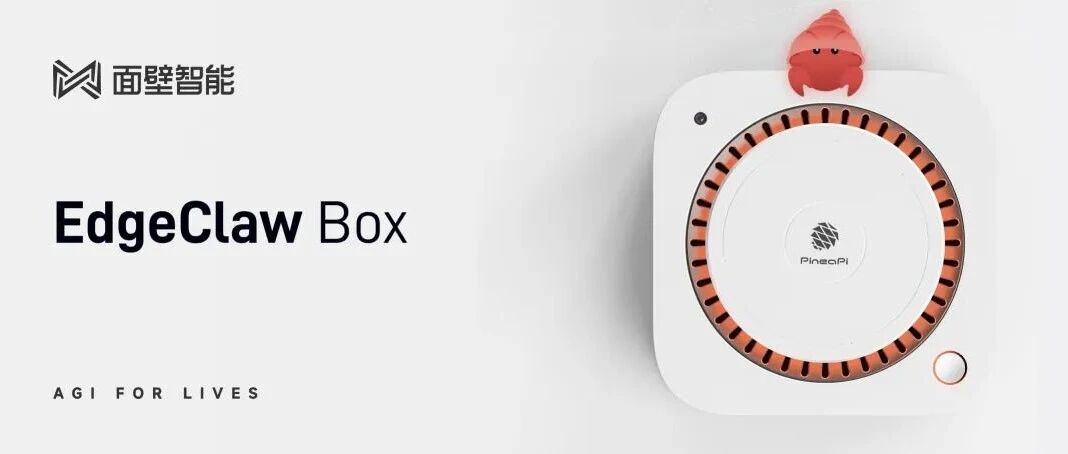
面壁智能发布EdgeClaw Box:要让每个人都能把「龙虾」跑在自己的盒子里
IPO早知道· 2026-03-19 05:54
Core Viewpoint - The article discusses the launch of EdgeClaw Box by Mianbi Intelligent, which aims to address key pain points in data security and deployment for users of the OpenClaw platform, particularly in sensitive data environments [2][4]. Group 1: Product Features - EdgeClaw Box is designed for safety and ease of use, featuring a local deployment framework that enhances data security and reduces reliance on cloud services [2][4]. - The product includes a self-developed privacy routing middleware that categorizes user messages based on sensitivity, offering three processing modes: default, desensitized, and secure [3][4]. - EdgeClaw Box supports a variety of hardware, including Mianbi Intelligent's own devices and popular products from Nvidia and Apple, allowing for a plug-and-play experience [5]. Group 2: Innovations and Advantages - The system incorporates a dual-memory mechanism that ensures sensitive data remains local while allowing cloud models to access only desensitized information, mitigating privacy risks [4]. - EdgeClaw Box is characterized by four main advantages: multi-device compatibility, quick setup, local data retention, and cost efficiency by minimizing token consumption for simple tasks [5]. - Mianbi Intelligent emphasizes the importance of open-source development for EdgeClaw, aiming for widespread accessibility and user control over their data by 2026 [6]. Group 3: Future Prospects - The company plans to expand EdgeClaw Box's compatibility with various hardware forms and functionalities, aiming to create a comprehensive intelligent ecosystem [7].